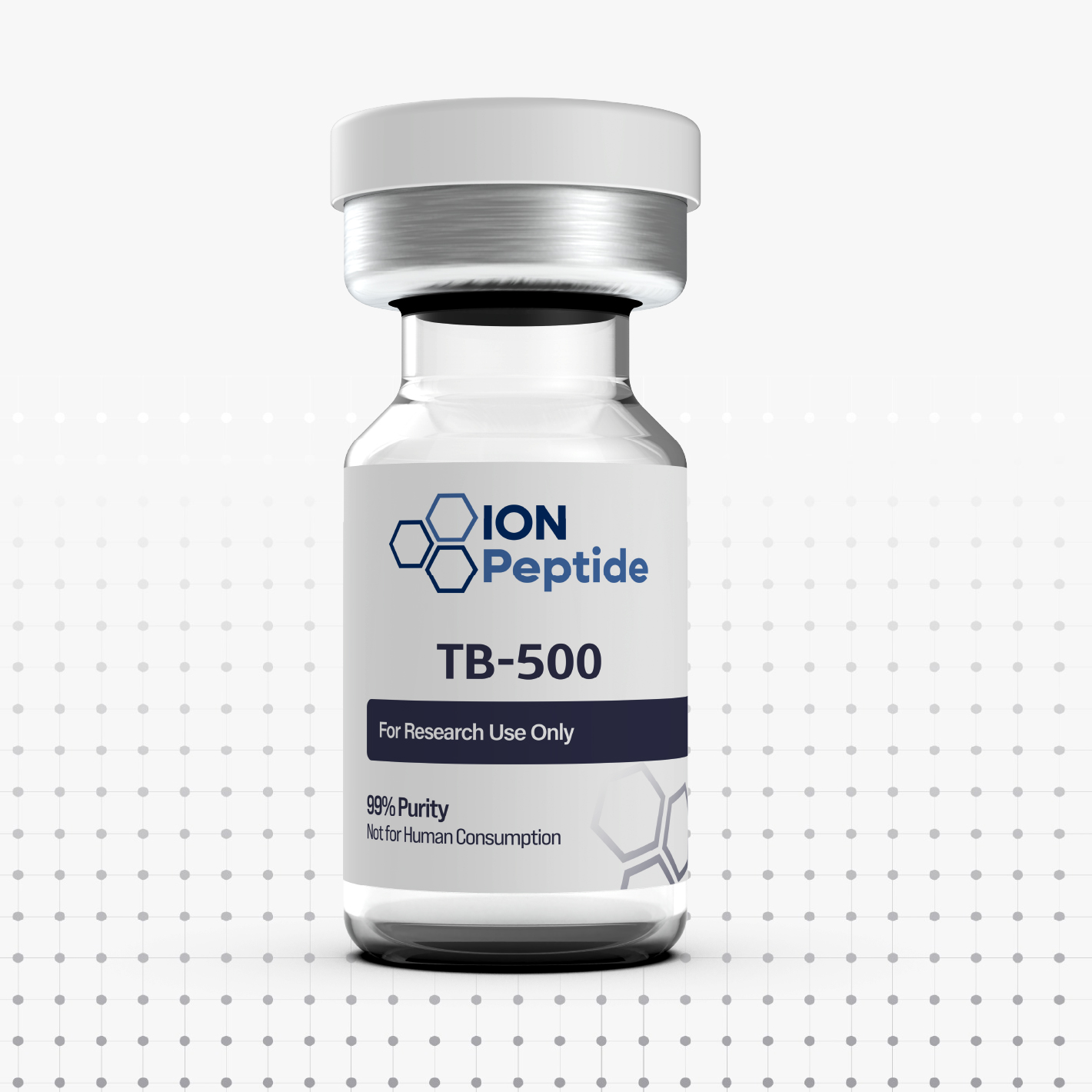
TB-500

Price range: $29.00 through $89.00

For research purposes only. Not for human or animal use & not FDA-approved. By purchasing, you confirm you are 21 or older and qualified researcher.

Quantity Price
4 - 5 $26.10
6 - 9 $24.36
10 + $21.75
Money Back Guarantee Guaranteed Quality Customer Support Fast Shipping
SKU: N/A Categories: , ,

Description

TB-500 (Thymosin Beta-4 Fragment)

Research-Grade Peptide
Tagline: Cell Migration & Tissue Repair Research


Product Description

TB-500 is a synthetic peptide fragment of Thymosin Beta-4 (Tβ4), a naturally occurring protein involved in actin regulation and cell migration. TB-500 is widely studied for its ability to promote angiogenesis, accelerate wound healing, and enhance tissue regeneration in preclinical research models.

Researchers use TB-500 peptide to investigate fibroblast migration, endothelial cell activation, muscle and tendon repair, and post-injury recovery mechanisms. Its small size and high bioavailability make it an ideal research tool for systemic tissue repair studies.

For Laboratory and Scientific Research Use Only. Not for Human Consumption.


Why Researchers Choose TB-500 Peptide
  • Potent Regenerative Activity: Enhances cell migration and angiogenesis in injury models.

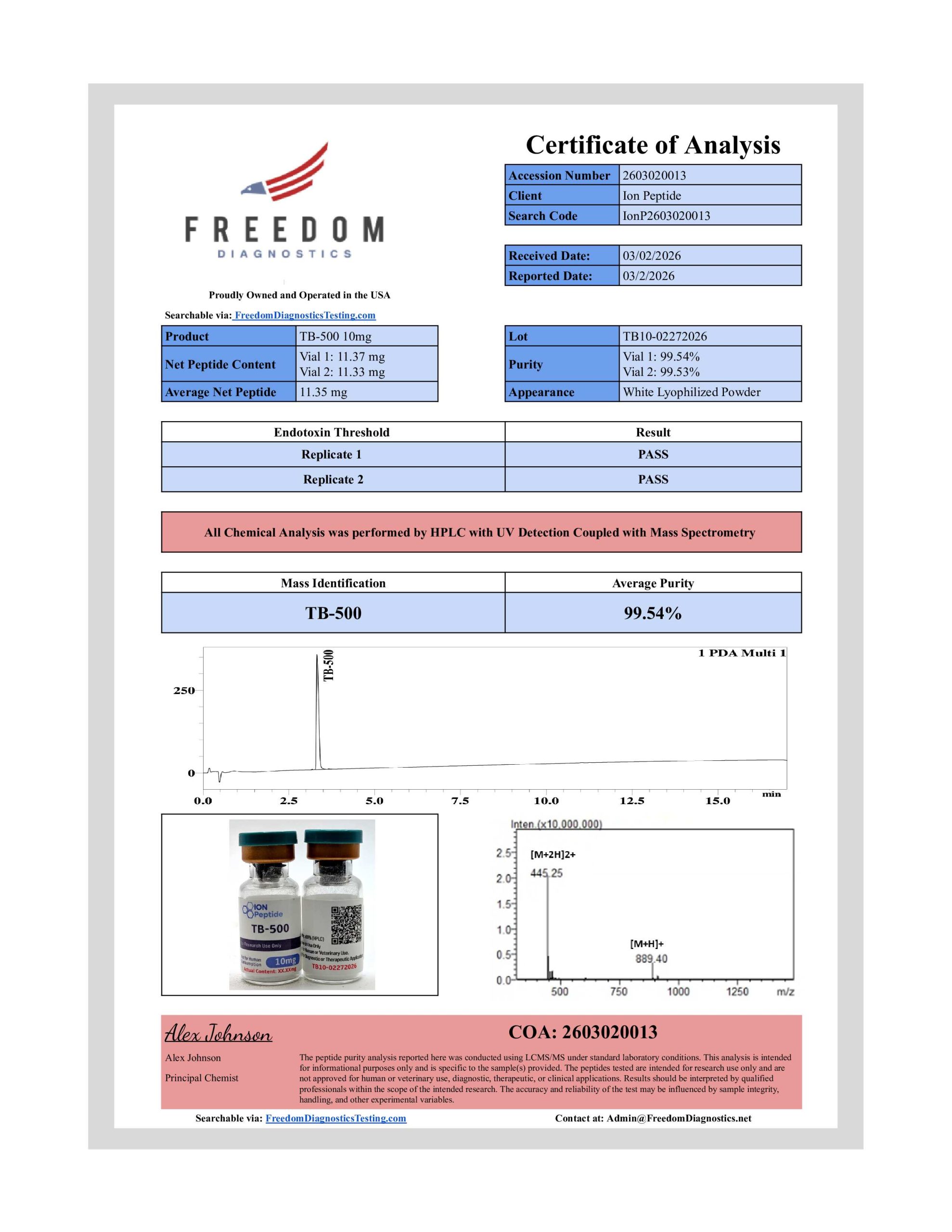
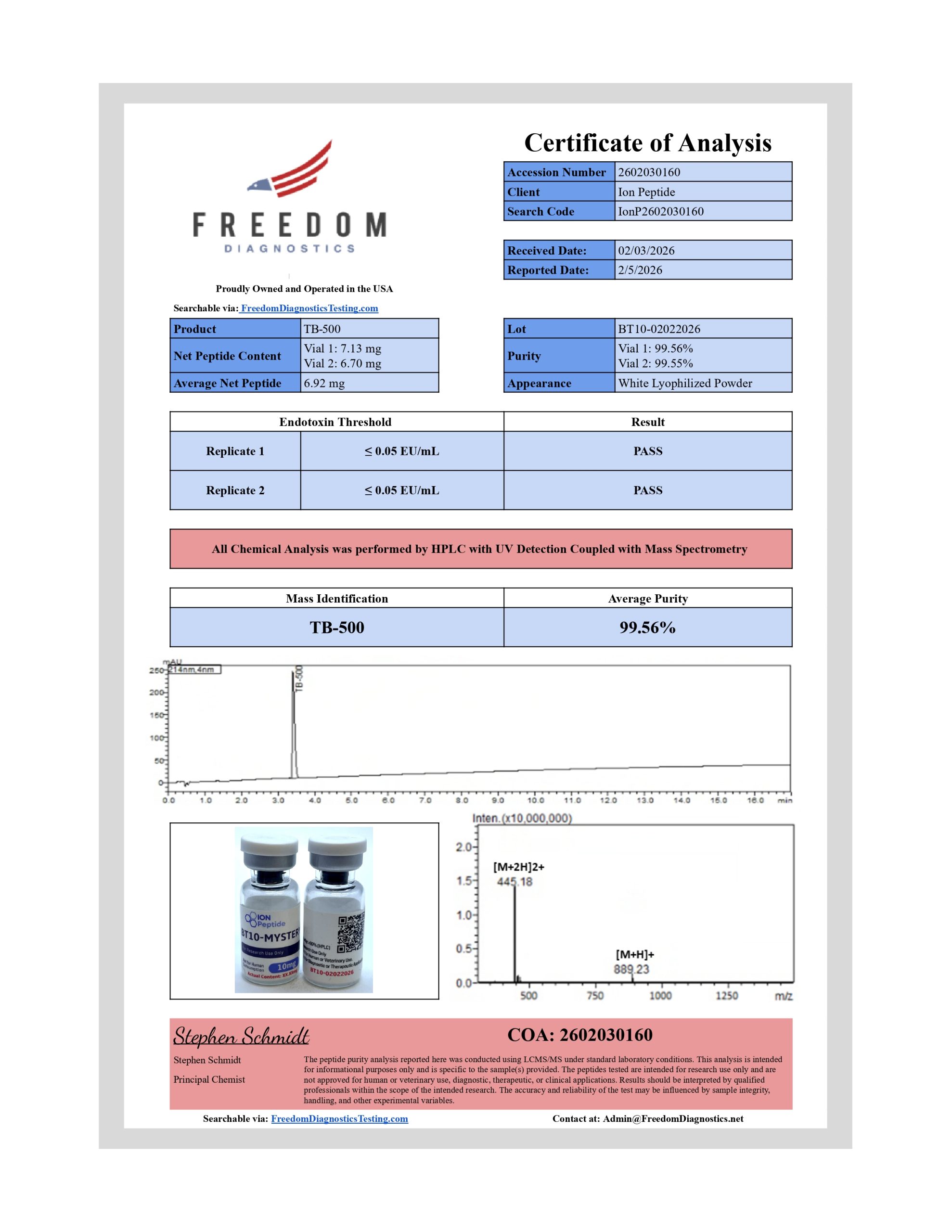
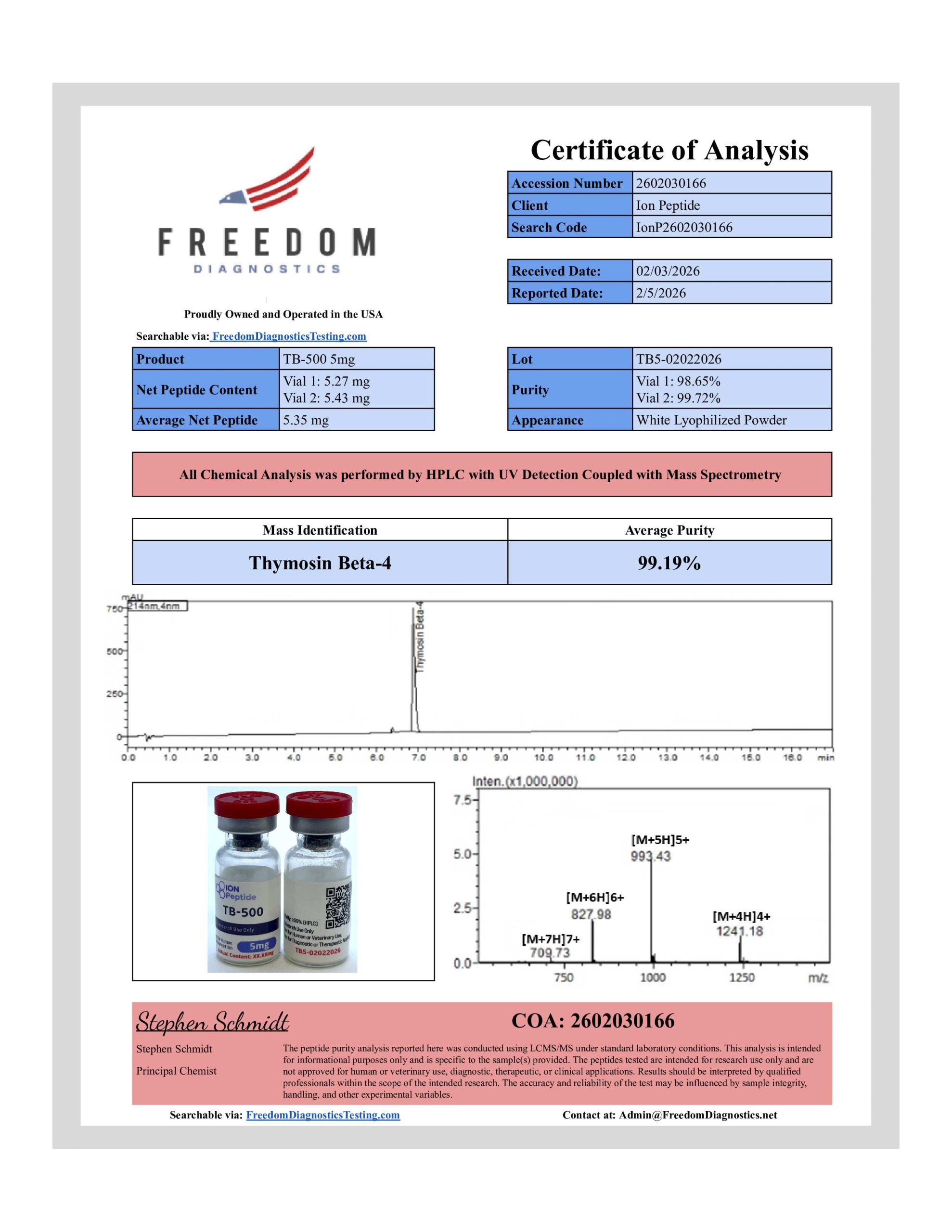
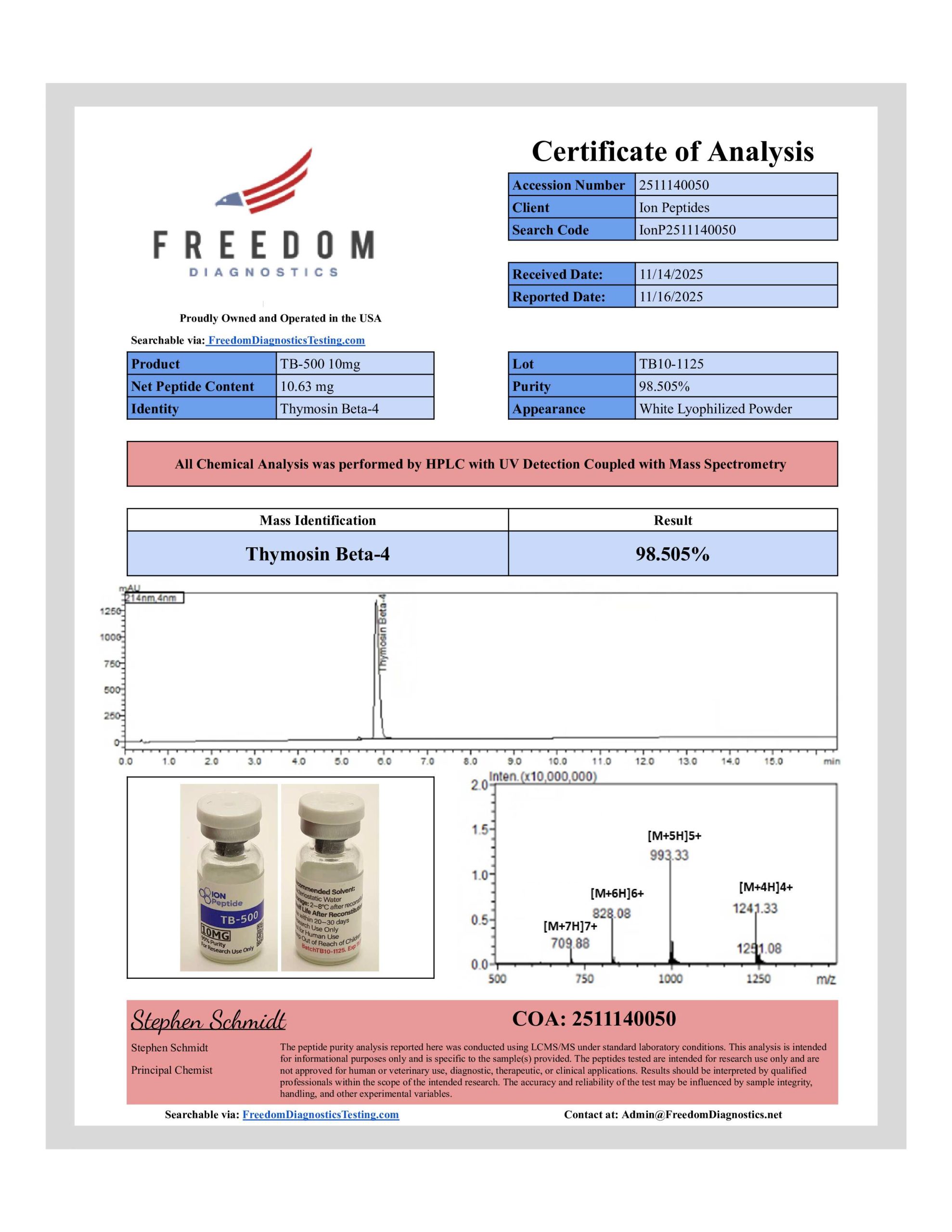
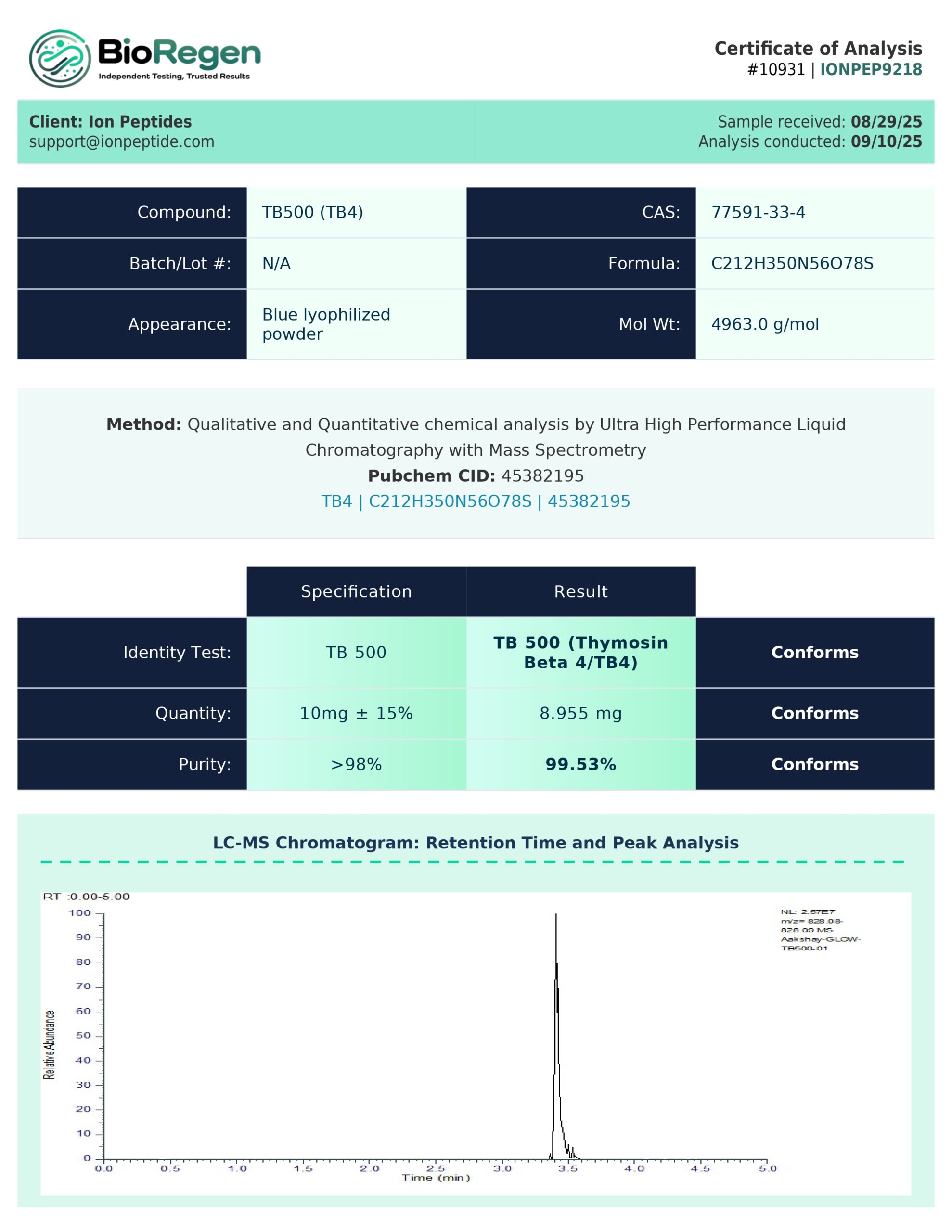
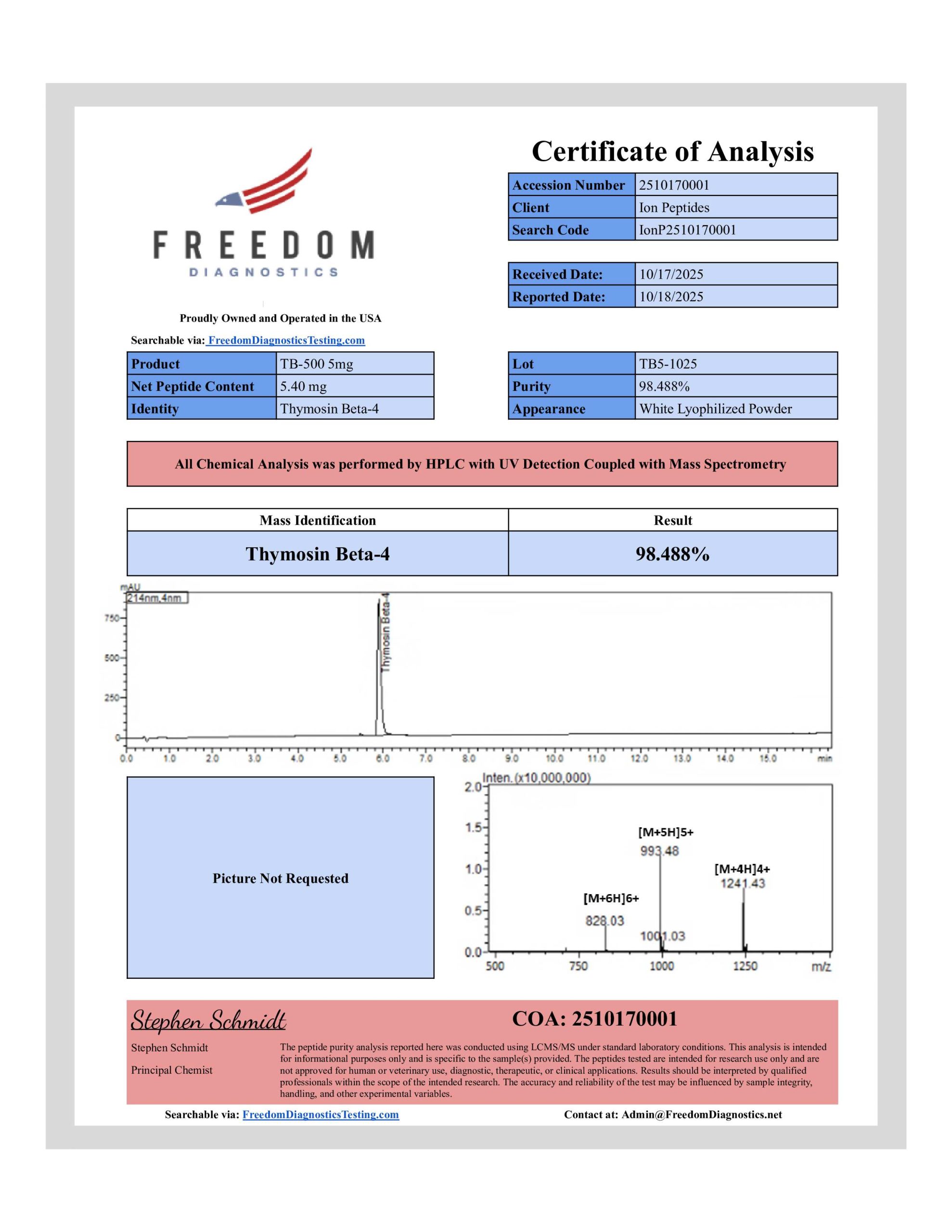
  • High Purity: ≥98% purity ensures reproducible experimental results.

  • Systemic Distribution: Low molecular weight allows rapid tissue penetration in research models.

  • Well-Characterized Target: Derived from endogenous Tβ4 sequence, enabling translational relevance.

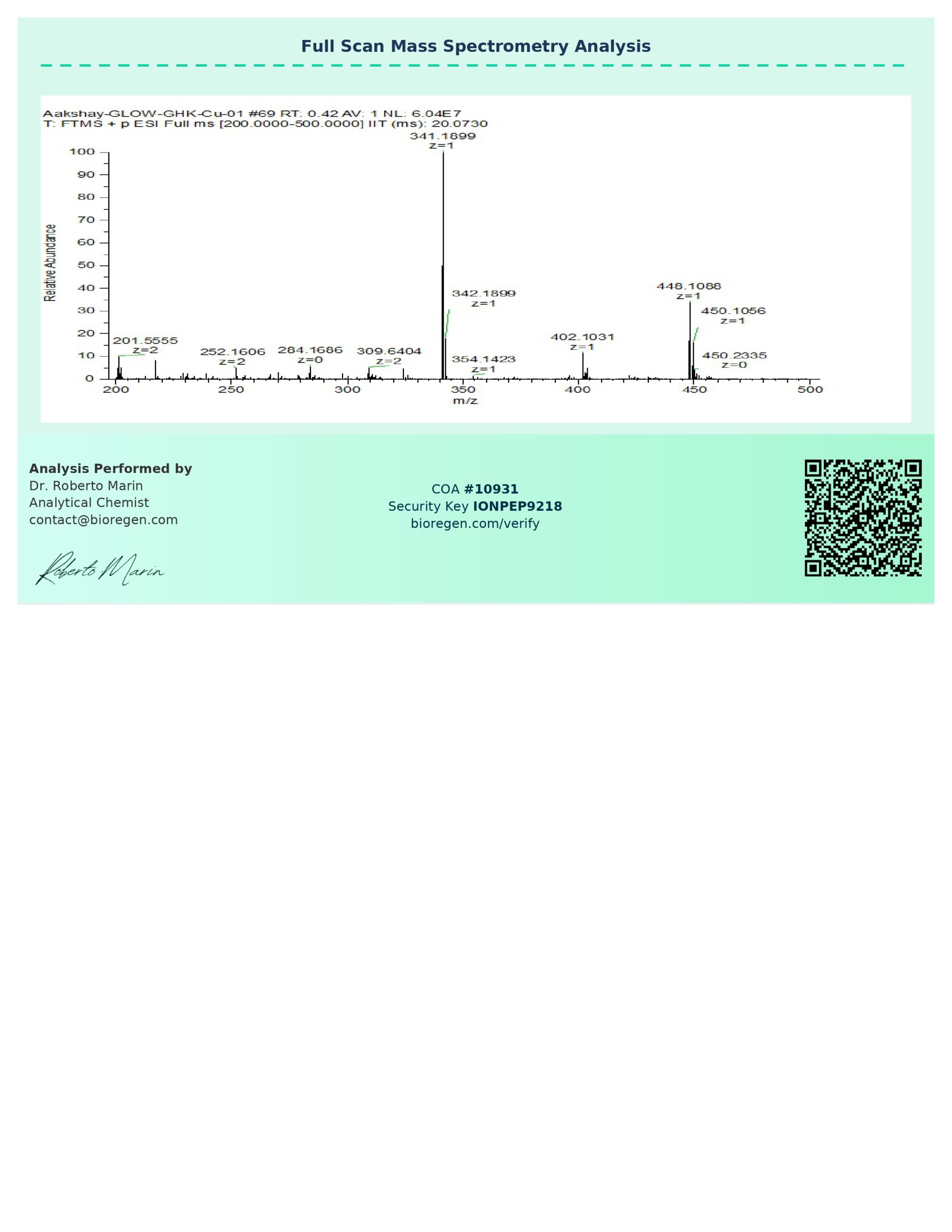
  • Batch Verified: Identity, potency, and purity confirmed for each lot.


Important Note

For laboratory and scientific research only. Not for human consumption, veterinary use, or diagnostic purposes.
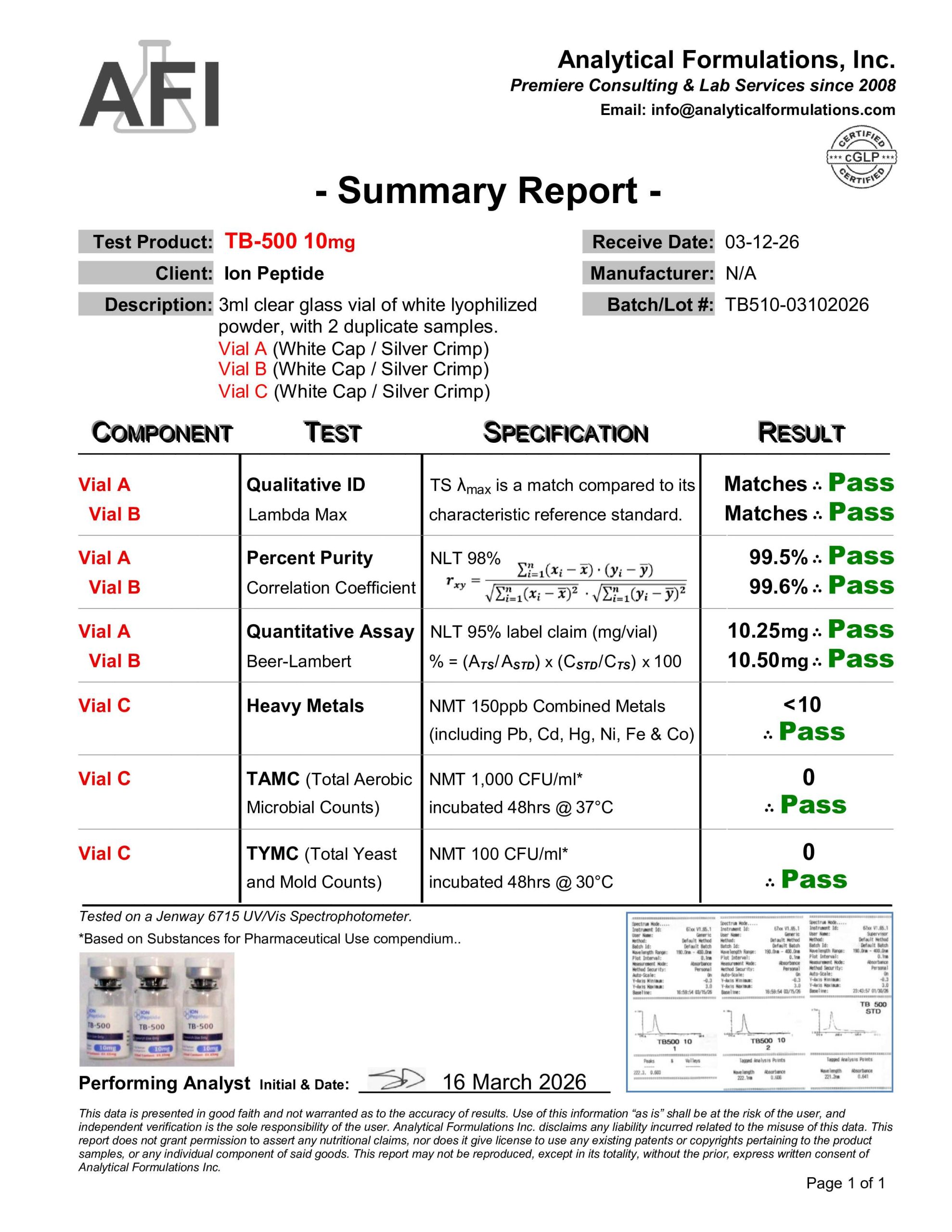
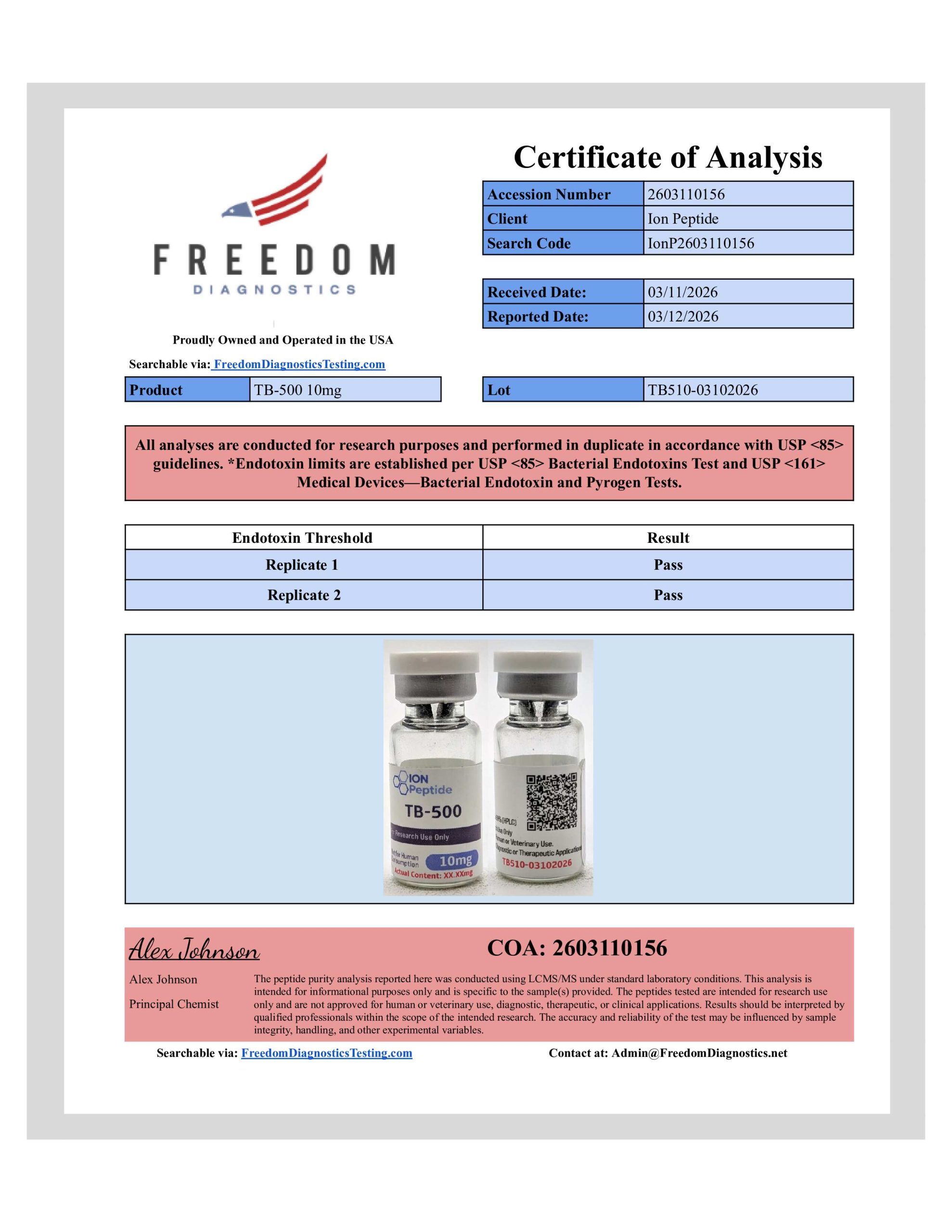
Details


Chemical Formula C₂₁₂H₃₆₂N₅₆O₆₂S
Molecular Mass ~4963 Da
CAS Number 77591-33-4
Form Lyophilized peptide powder
Shelf Life 24 months (lyophilized)
Intended Use For preclinical and in vitro research only
Storage -20 °C (dry powder), -80 °C (after reconstitution)

Research

Research Applications

Wound Healing & Tissue Regeneration

TB-500 promotes fibroblast and keratinocyte migration, leading to faster wound closure and improved scar formation in animal studies [1].

Angiogenesis & Vascular Growth

Stimulates endothelial cell differentiation and VEGF expression, supporting new blood vessel formation in ischemic tissues [2].

Muscle, Tendon & Ligament Repair

Research shows accelerated muscle fiber regeneration and improved tendon healing after injury [3].

Anti-Inflammatory Effects

Reduces inflammatory cytokine expression, creating a favorable environment for tissue repair [4].


References
  1. Malinda KM et al. (1999). Thymosin Beta-4 Accelerates Wound Healing. Journal of Investigative Dermatology.
    https://www.scirp.org/reference/referencespapers?referenceid=1316929

  2. Goldstein AL et al. (2012). Role of Tβ4 in Angiogenesis and Endothelial Cell Migration. Annals of the New York Academy of Sciences.
    https://link.springer.com/content/pdf/10.1007/978-1-4757-9185-3_18

  3. Bock-Marquette I et al. (2004). Tβ4 Induces Adult Epicardial Progenitor Mobilization and Repair. Nature.
    https://www.nature.com/articles/nature05383.pdf

  4. Sosne G et al. (2007). Anti-Inflammatory and Cytoprotective Effects of Tβ4 in Ocular Models. Experimental Eye Research.
    https://www.scirp.org/reference/referencespapers?referenceid=1316954

Mechanism of Action

Mechanism of Action (How TB-500 Works)
  • Actin Sequestration & Polymerization: TB-500 regulates G-actin and promotes actin filament assembly, enabling cell migration [Goldstein 2012].

  • Fibroblast & Keratinocyte Activation: Enhances migration of fibroblasts and epithelial cells to injury sites [Malinda 1999].

  • Angiogenesis Promotion: Upregulates VEGF and stimulates endothelial progenitor cell recruitment [Goldstein 2012].

  • Anti-Inflammatory Modulation: Reduces NF-κB activation and inflammatory cytokines, supporting a regenerative environment [Sosne 2007].

  • Tissue Remodeling: Encourages myofibroblast differentiation and collagen deposition to strengthen repaired tissue [Bock-Marquette 2004].


References
  1. Malinda KM et al. (1999). Thymosin Beta-4 Accelerates Wound Healing. Journal of Investigative Dermatology.
    https://www.scirp.org/reference/referencespapers?referenceid=1316929

  2. Goldstein AL et al. (2012). Role of Tβ4 in Angiogenesis and Endothelial Cell Migration. Annals of the New York Academy of Sciences.
    https://link.springer.com/content/pdf/10.1007/978-1-4757-9185-3_18

  3. Bock-Marquette I et al. (2004). Tβ4 Induces Adult Epicardial Progenitor Mobilization and Repair. Nature.
    https://www.nature.com/articles/nature05383.pdf

  4. Sosne G et al. (2007). Anti-Inflammatory and Cytoprotective Effects of Tβ4 in Ocular Models. Experimental Eye Research.
    https://www.scirp.org/reference/referencespapers?referenceid=1316954

Certificate of Authenticity