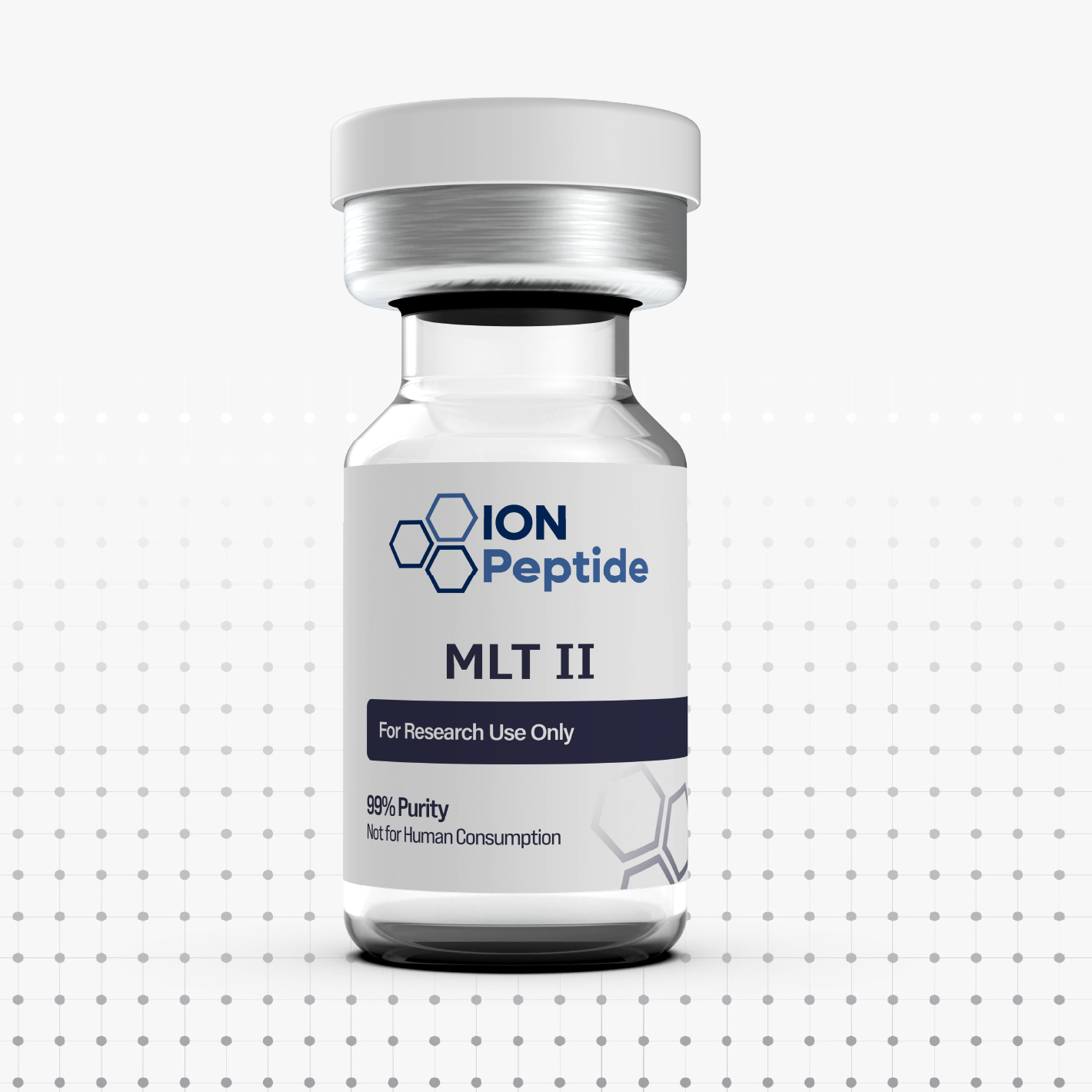
MLT II

Price range: $35.00 through $67.00

For research purposes only. Not for human or animal use & not FDA-approved. By purchasing, you confirm you are 21 or older and qualified researcher.

Quantity Price
4 - 5 $31.50
6 - 9 $29.40
10 + $26.25
Money Back Guarantee Guaranteed Quality Customer Support Fast Shipping
SKU: N/A Categories: , ,

Description

Melanotan II (MT-II)

Research-Grade Melanocortin Analogue
Tagline: Pigmentation, Libido & Energy Balance Research


Product Description

Melanotan II (MT-II) is a synthetic analogue of alpha-melanocyte-stimulating hormone (α-MSH) that acts as a non-selective melanocortin receptor agonist. It is widely used in research to study melanogenesis, sexual behavior, appetite regulation, and energy homeostasis.

Researchers investigate Melanotan II for its MC1R-mediated pigmentation effects, MC3R/MC4R roles in sexual and appetite behaviors, and potential neuroendocrine effects. Its broader receptor activity compared to Melanotan I allows exploration of multiple melanocortin pathways.

For Laboratory and Scientific Research Use Only. Not for Human Consumption.


Why Researchers Choose Melanotan II
  • Non-Selective MC Agonist: Activates MC1R, MC3R, MC4R, and MC5R for multi-pathway research.

  • Potent Pigmentation Agent: Induces melanin production more strongly than Melanotan I.

  • Behavioral Research: Used to study libido, sexual arousal, and energy balance in preclinical models.

  • Extended Half-Life: More metabolically stable than endogenous α-MSH.

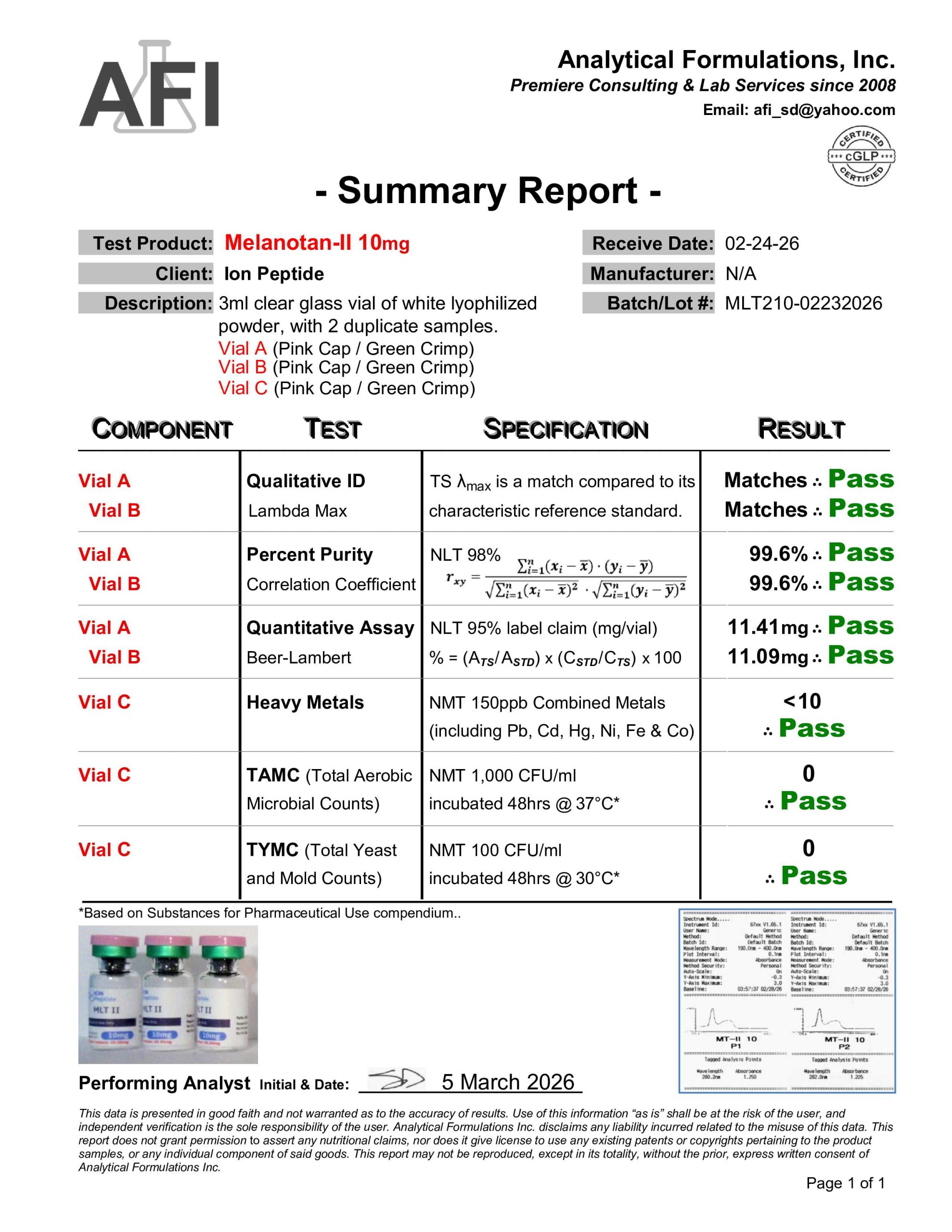
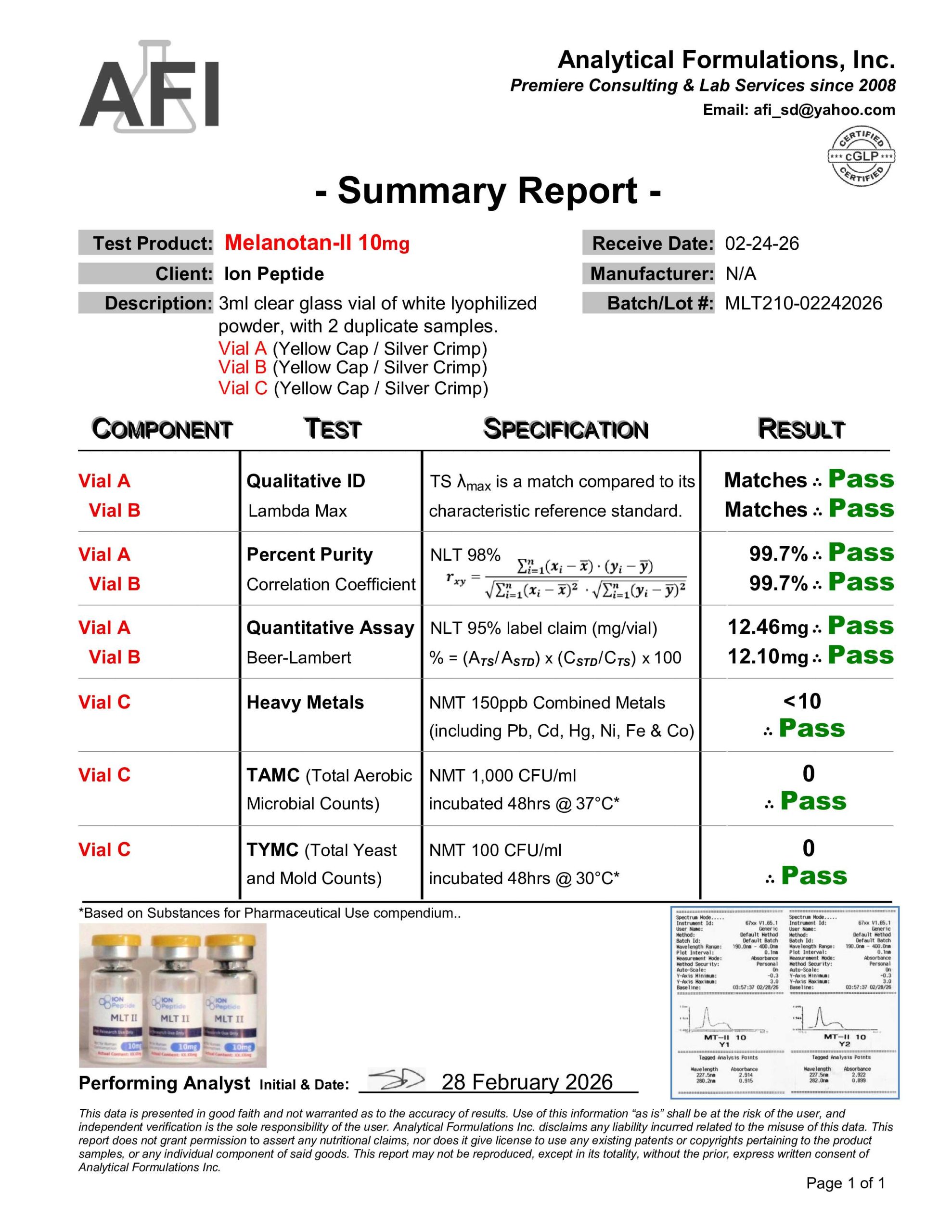
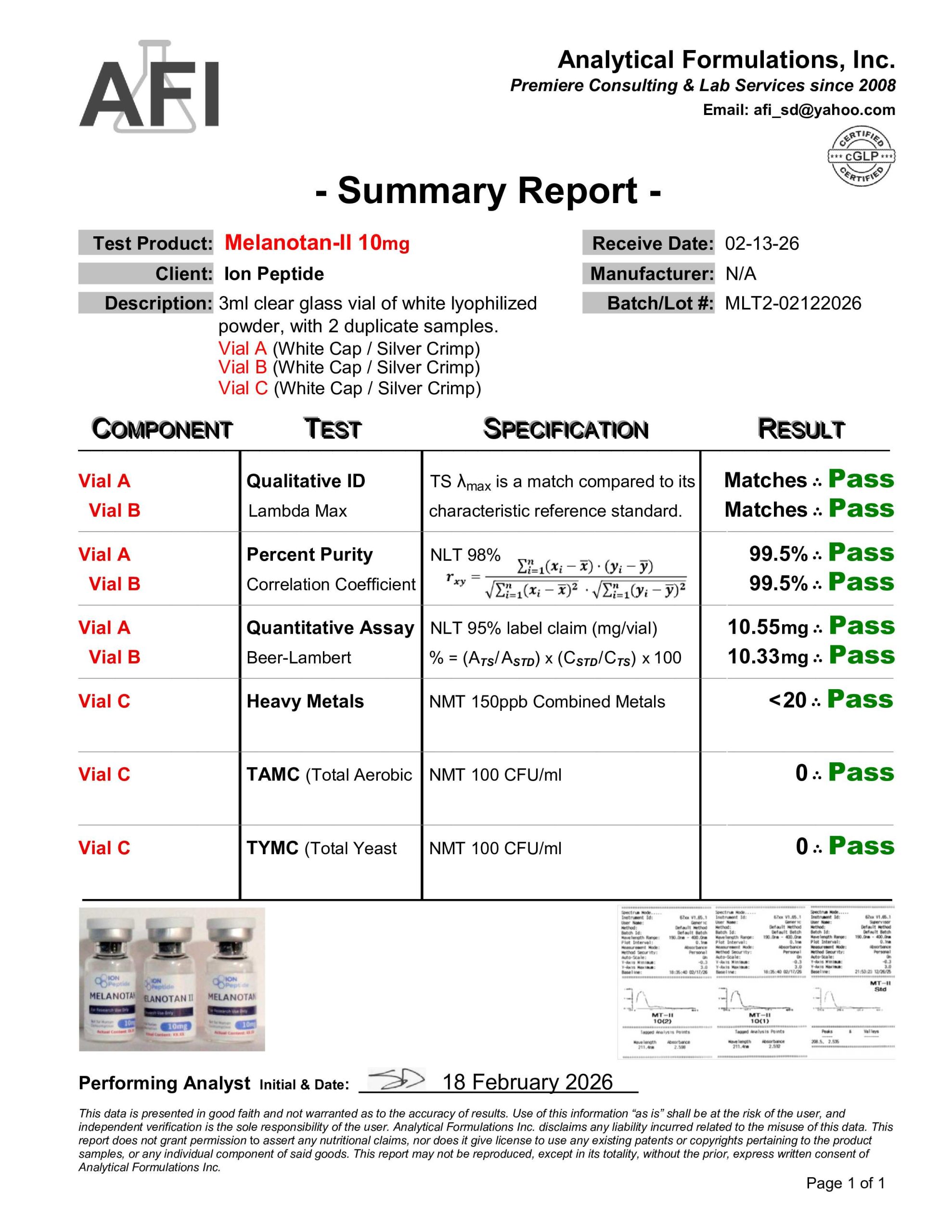
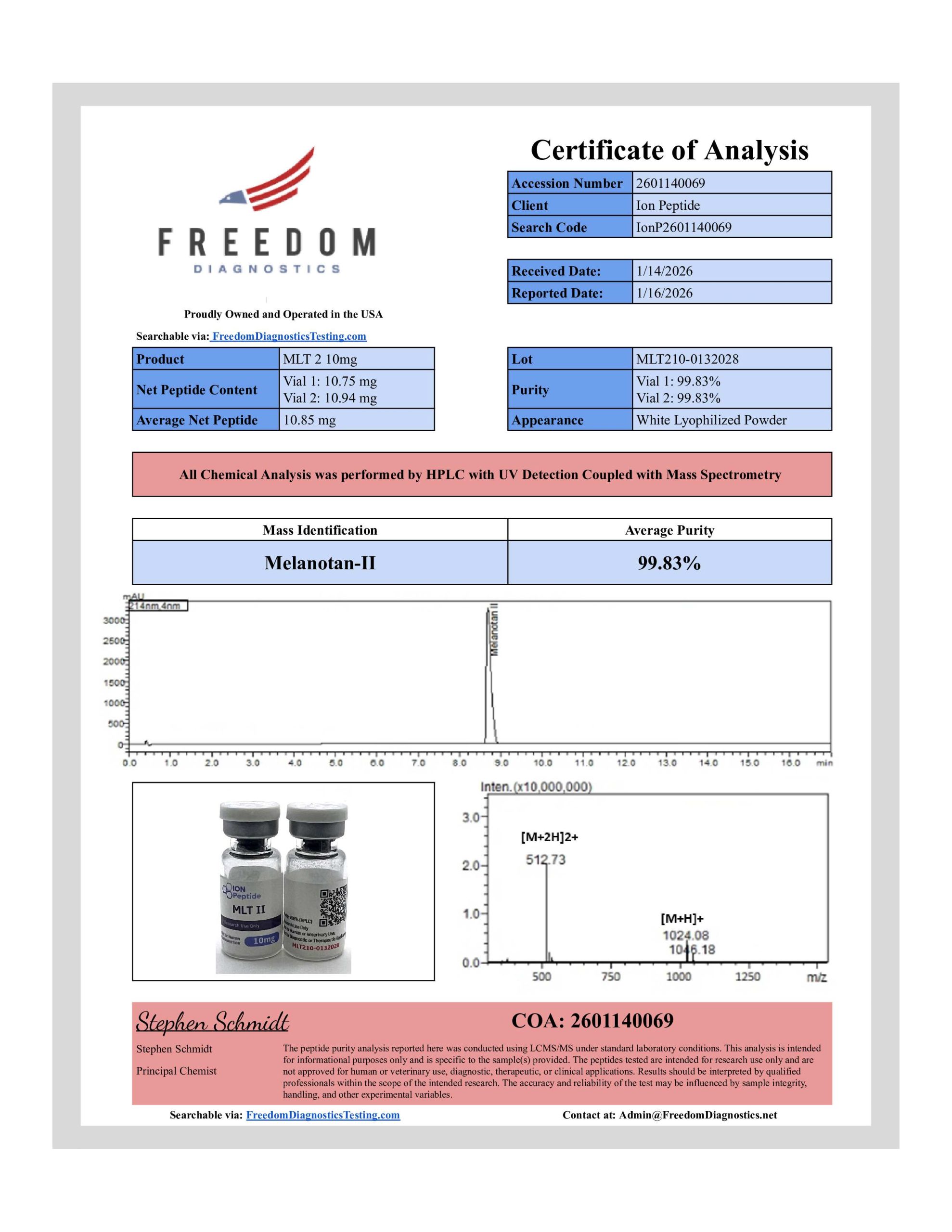
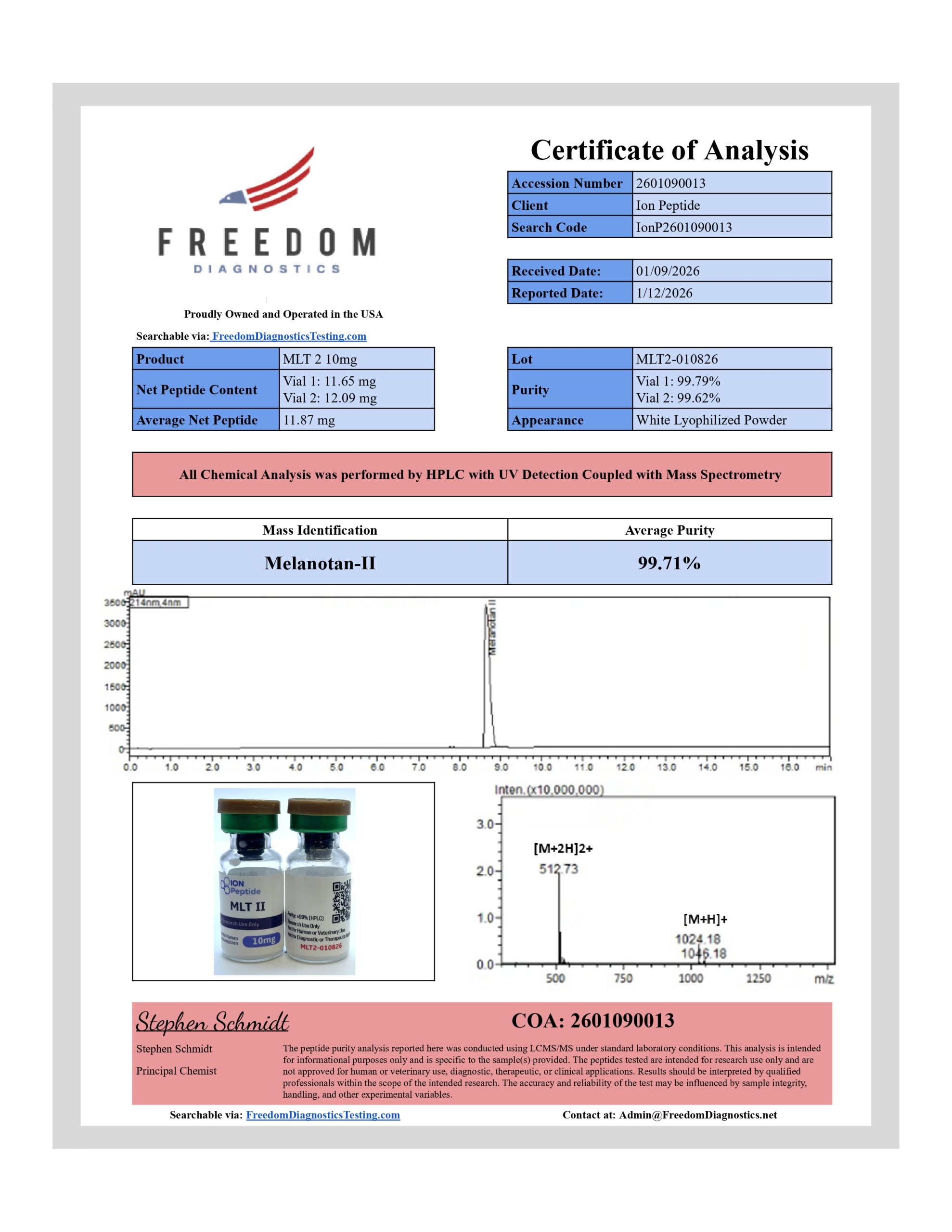
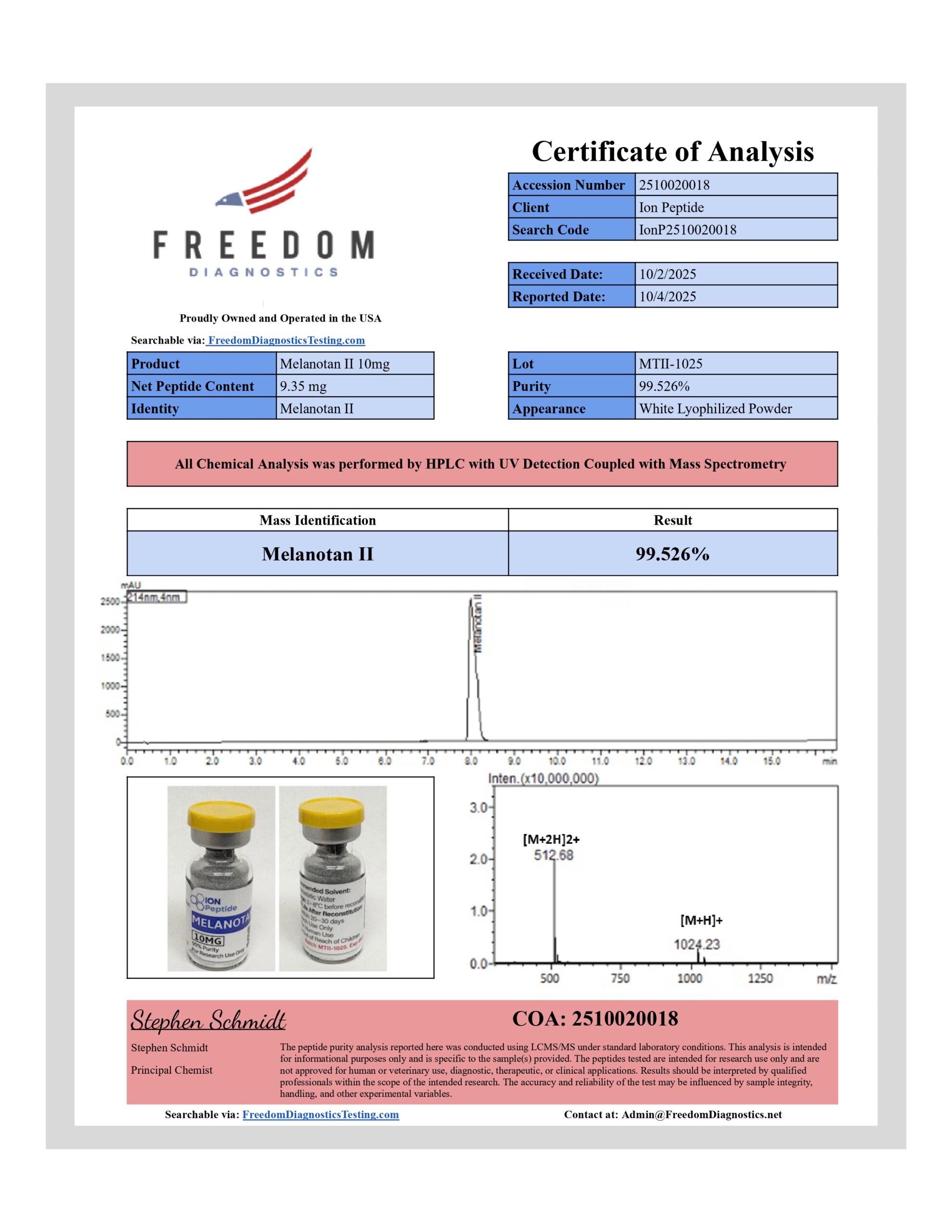
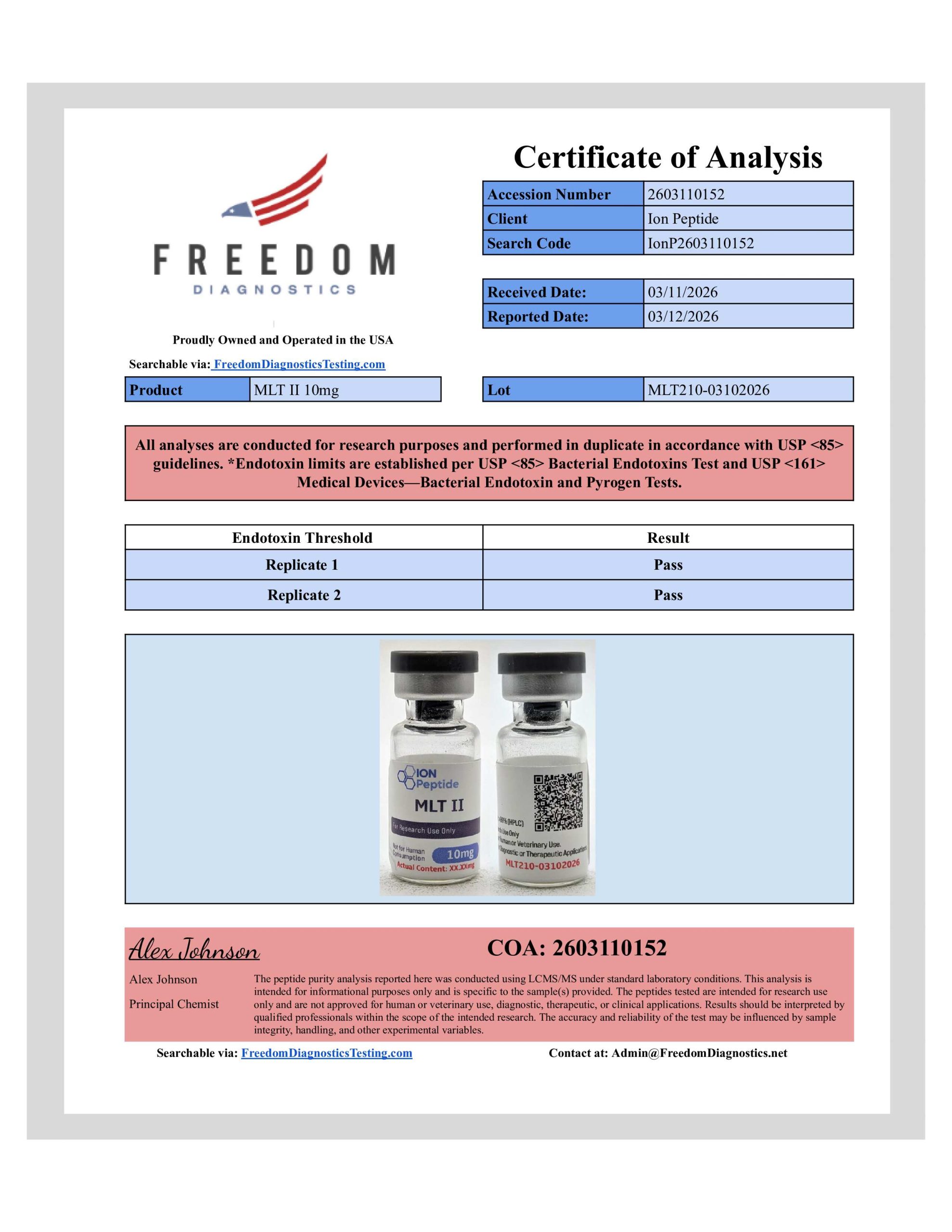
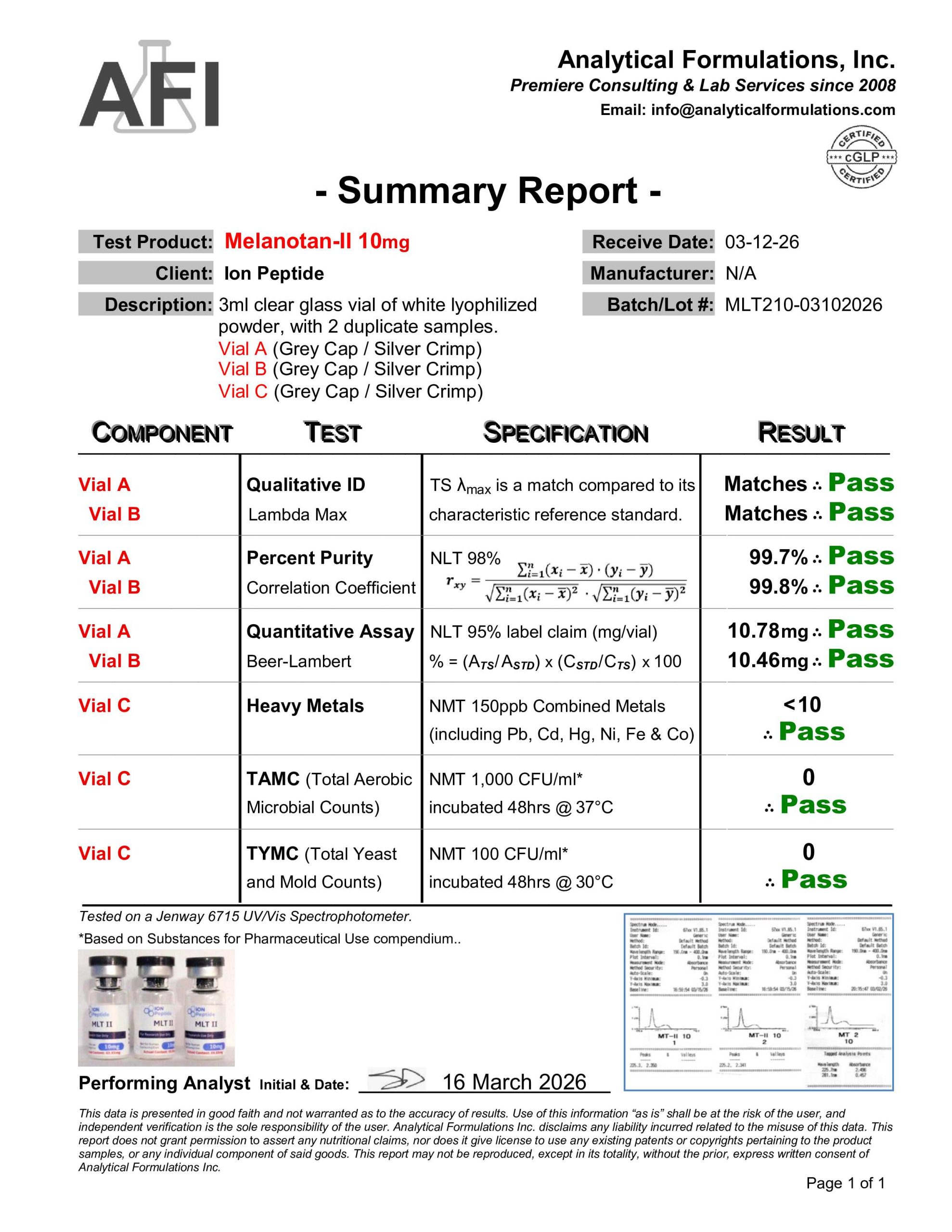
  • Batch Verified: Each lot tested for purity (≥98%) and potency.


Important Note

For laboratory and scientific research only. Not for human consumption, veterinary use, or diagnostic purposes.
Details

Chemical Formula C₅₀H₆₉N₁₅O₉
Molecular Mass ~1024.2 Da
CAS Number 121062-08-6
Form Lyophilized peptide powder
Shelf Life 24 months (lyophilized)
Intended Use For preclinical and in vitro research only
Storage -20 °C (dry powder), -80 °C (after reconstitution)

Research

Research Applications

Pigmentation & Photoprotection

MT-II stimulates melanin synthesis in melanocytes, increasing pigmentation and UV resistance in preclinical models [1].

Libido & Sexual Behavior Studies

Research shows MC3R/MC4R activation increases sexual arousal and erectile activity in animal and human studies [2].

Energy Balance & Appetite Regulation

Acts on hypothalamic melanocortin receptors to reduce food intake and regulate energy expenditure [3].

Anti-Inflammatory & Neuroendocrine Effects

Melanocortin activation reduces inflammation and supports stress adaptation studies [4].


References
  1. Hadley ME et al. (1996). Melanotan II and Melanogenesis in Animal Models. Ann NY Acad Sci.
    https://link.springer.com/content/pdf/10.1007/0-306-47384-4_25.pdf

  2. Wessells H et al. (2000). Effect of Melanotan II on Sexual Function in Men. Urology.
    https://www.sciencedirect.com/science/article/abs/pii/S0090429500006804

  3. Cone RD (2005). Melanocortin System and Energy Homeostasis. Endocr Rev.
    https://academic.oup.com/edrv/article-abstract/27/7/736/2355223

  4. Getting SJ (2006). Anti-Inflammatory Role of Melanocortins. Pharmacol Ther.
    https://www.sciencedirect.com/science/article/pii/S0163725805002809

Mechanism of Action

Mechanism of Action (How Melanotan II Works)
  • MC1R Activation: Stimulates melanocytes to increase eumelanin production, resulting in skin darkening [Hadley 1996].

  • MC3R/MC4R Agonism: Activates hypothalamic receptors involved in energy balance and sexual behavior [Cone 2005].

  • Enhanced cAMP Signaling: Increases intracellular cAMP, leading to activation of melanogenesis-related enzymes [Hadley 1996].

  • Appetite Suppression: Reduces food intake by influencing hypothalamic feeding circuits [Cone 2005].

  • Anti-Inflammatory Effects: Inhibits NF-κB signaling and cytokine production, reducing inflammation [Getting 2006].


References
  1. Hadley ME et al. (1996). Melanotan II and Melanogenesis in Animal Models. Ann NY Acad Sci.
    https://link.springer.com/content/pdf/10.1007/0-306-47384-4_25.pdf

  2. Wessells H et al. (2000). Effect of Melanotan II on Sexual Function in Men. Urology.
    https://www.sciencedirect.com/science/article/abs/pii/S0090429500006804

  3. Cone RD (2005). Melanocortin System and Energy Homeostasis. Endocr Rev.
    https://academic.oup.com/edrv/article-abstract/27/7/736/2355223

  4. Getting SJ (2006). Anti-Inflammatory Role of Melanocortins. Pharmacol Ther.
    https://www.sciencedirect.com/science/article/pii/S0163725805002809

Certificate of Authenticity

Endotoxin Result