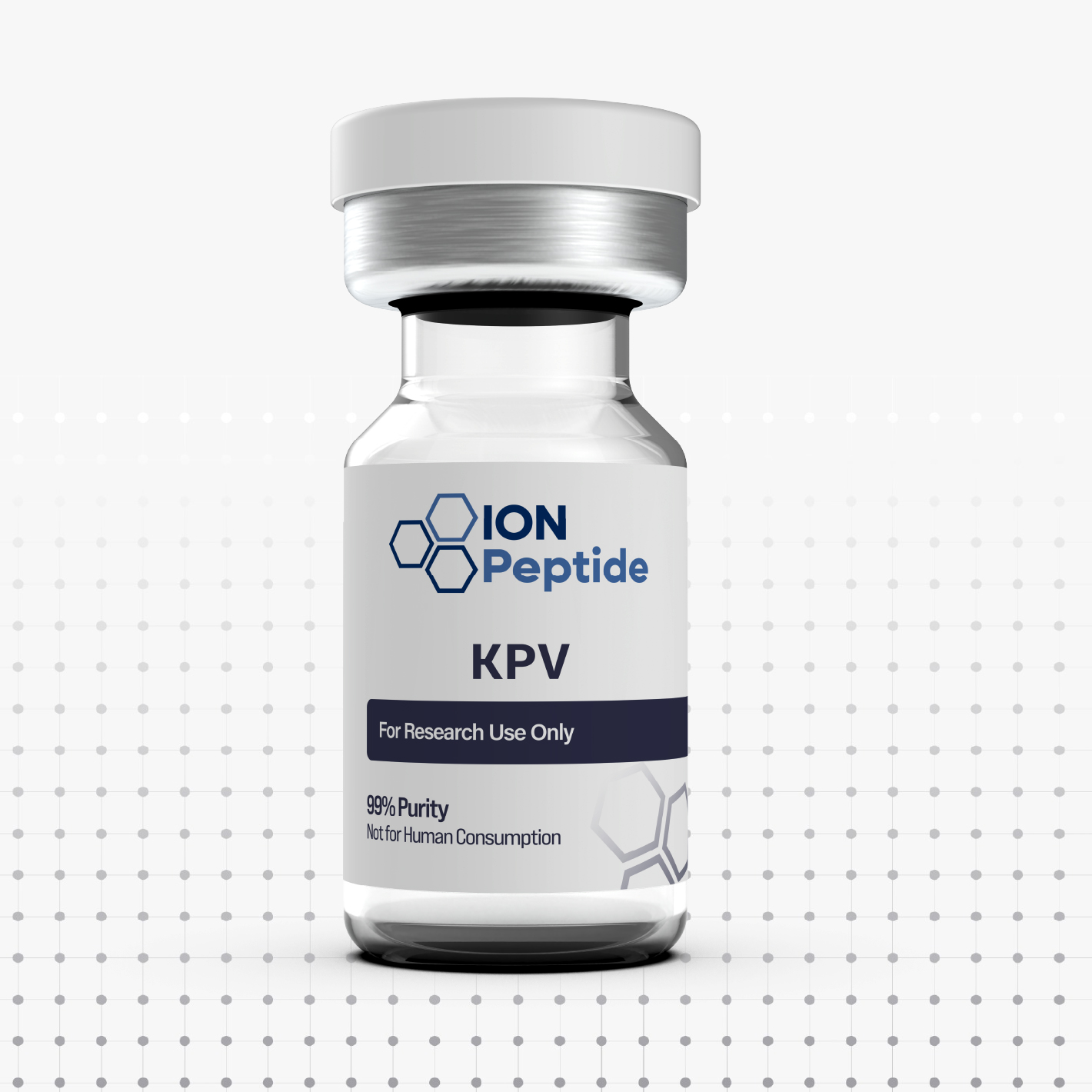
KPV – 10mg

$49.00

For research purposes only. Not for human or animal use & not FDA-approved. By purchasing, you confirm you are 21 or older and qualified researcher.

In stock

Quantity Price
4 - 5 $44.10
6 - 9 $41.16
10 + $36.75
Money Back Guarantee Guaranteed Quality Customer Support Fast Shipping
Categories: , ,

Description

KPV-10 (Acetyl-Lys-Pro-Val)

Research-Grade Anti-Inflammatory Peptide
Tagline: Inflammation & Immune Modulation Research


Product Description

KPV-10 is a synthetic peptide derived from the C-terminal tripeptide sequence of alpha-melanocyte stimulating hormone (α-MSH) — Lys-Pro-Val — formulated in a 10 mg vial for research use. This peptide fragment is widely studied for its ability to reduce pro-inflammatory cytokine production and modulate immune system signaling.

Researchers use KPV-10 in studies focused on gut inflammation, skin barrier function, immune regulation, and chronic inflammatory conditions. It is especially relevant for models of colitis, dermatitis, and systemic inflammation.

For Laboratory and Scientific Research Use Only. Not for Human Consumption.


Why Researchers Choose KPV-10
  • Potent α-MSH Fragment: Retains anti-inflammatory activity without pigmentation effects.

  • Cytokine Modulation: Downregulates NF-κB and inflammatory mediators like TNF-α, IL-6, and IL-1β.

  • Supports Gut & Skin Research: Studied in intestinal barrier protection and wound-healing models.

  • Highly Stable: Resistant to rapid degradation in experimental settings.

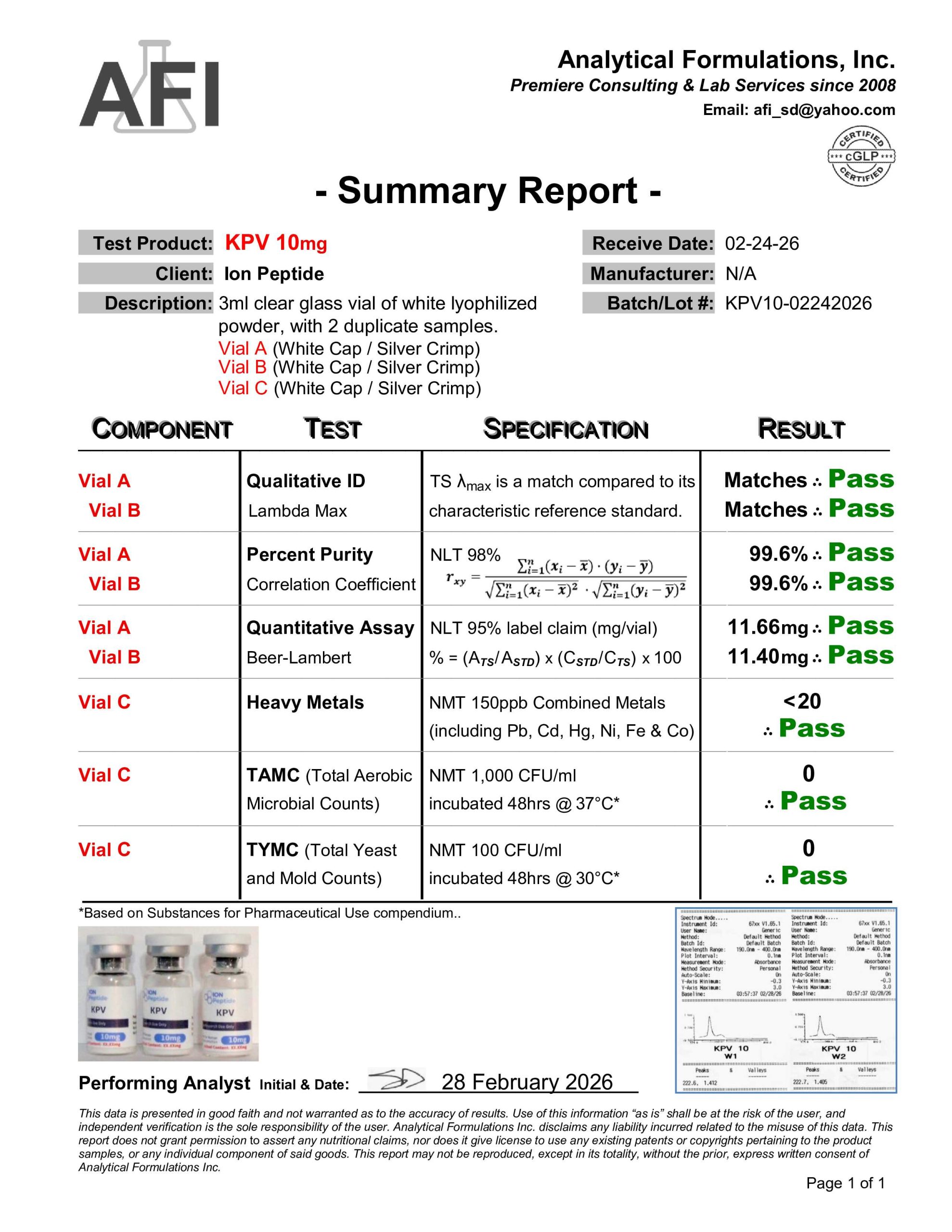
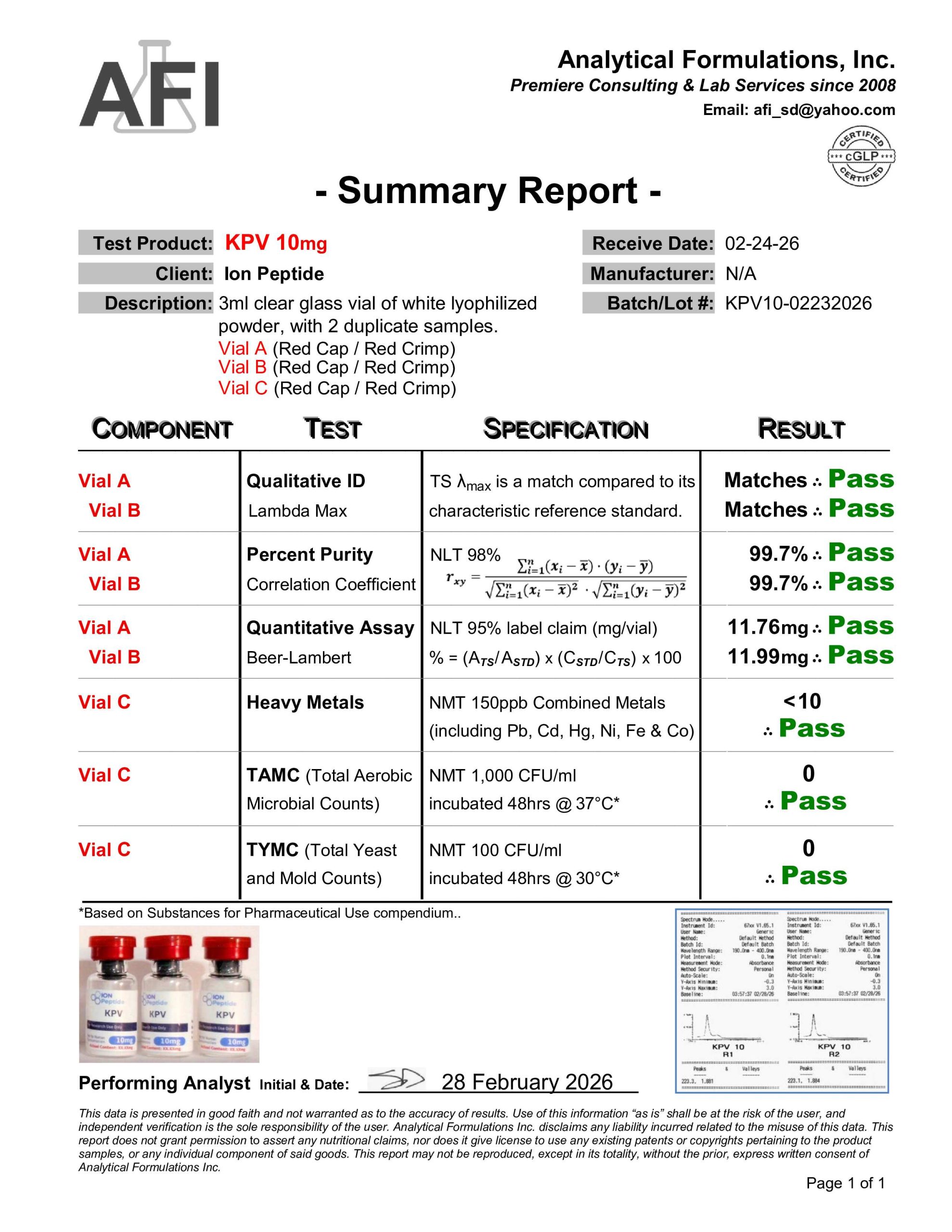
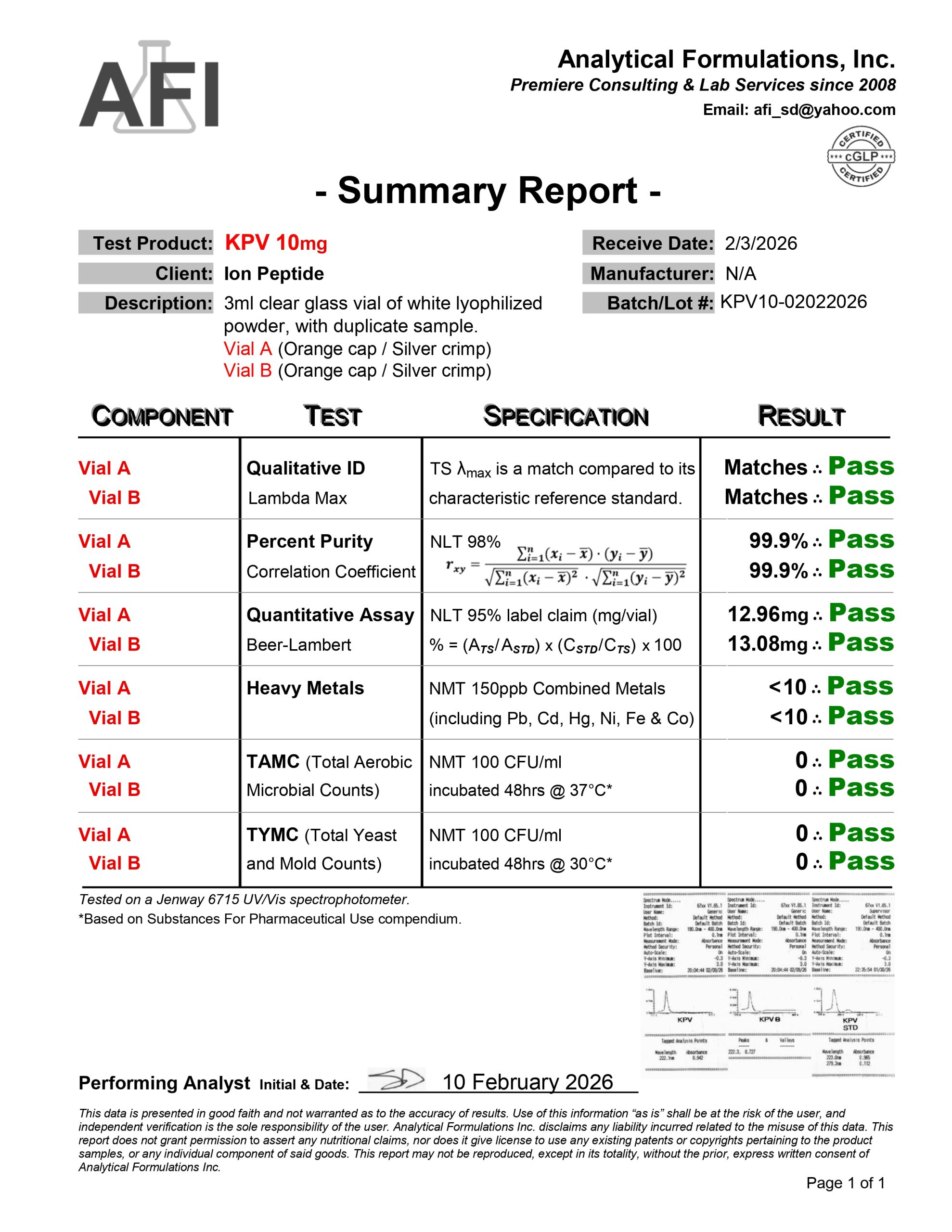
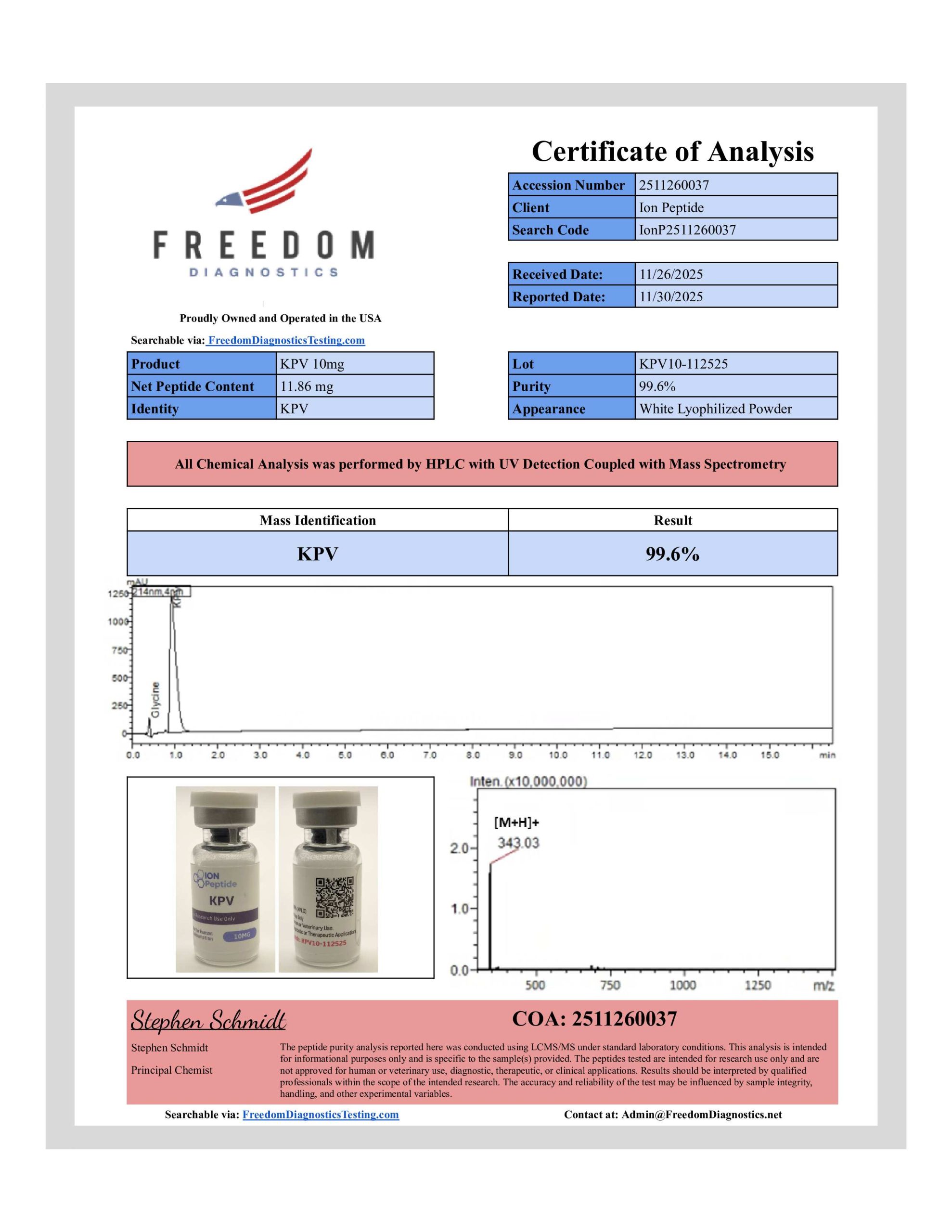
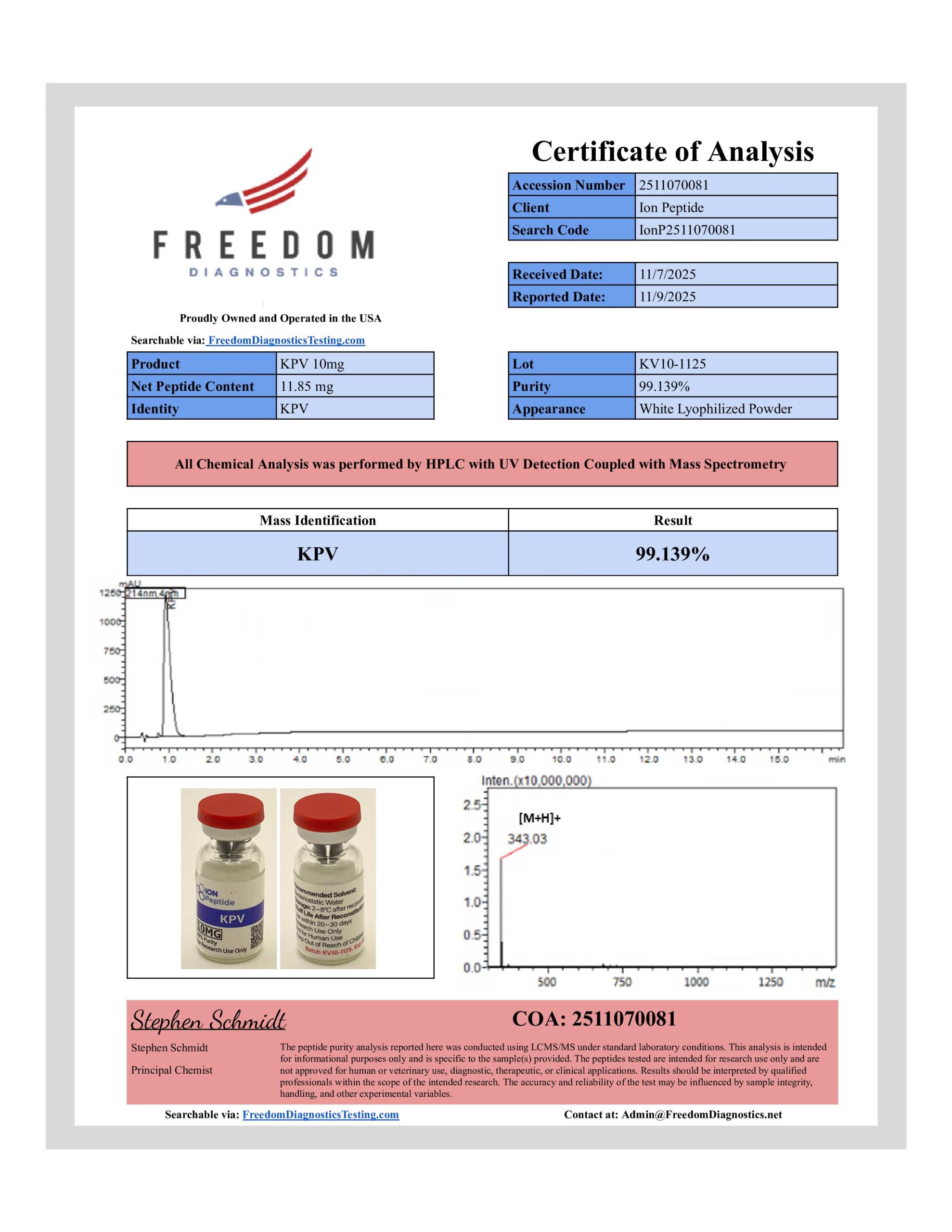
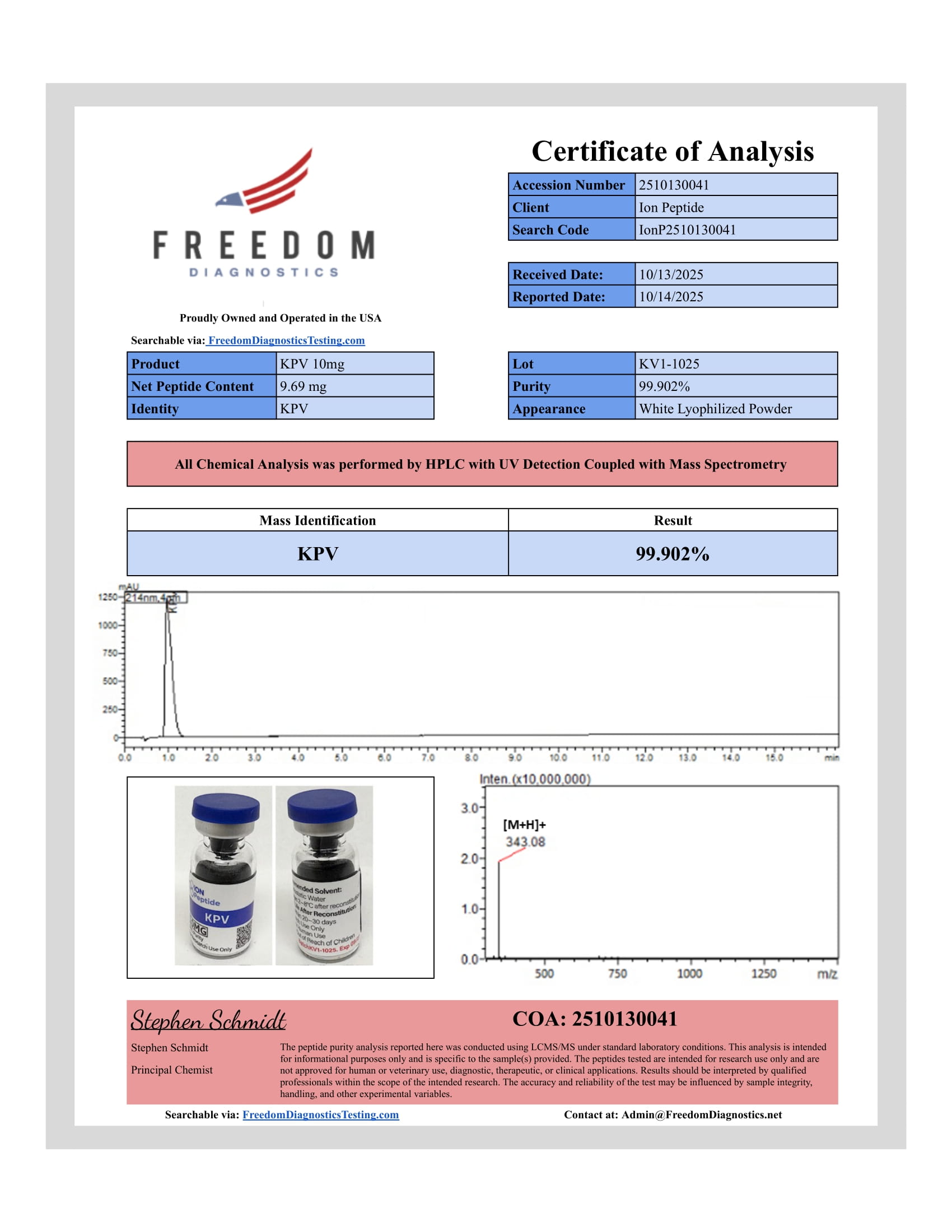
  • Batch Verified: ≥98% purity confirmed by HPLC and mass spectrometry.


Important Note

For laboratory and scientific research only. Not for human consumption, veterinary use, or diagnostic purposes.
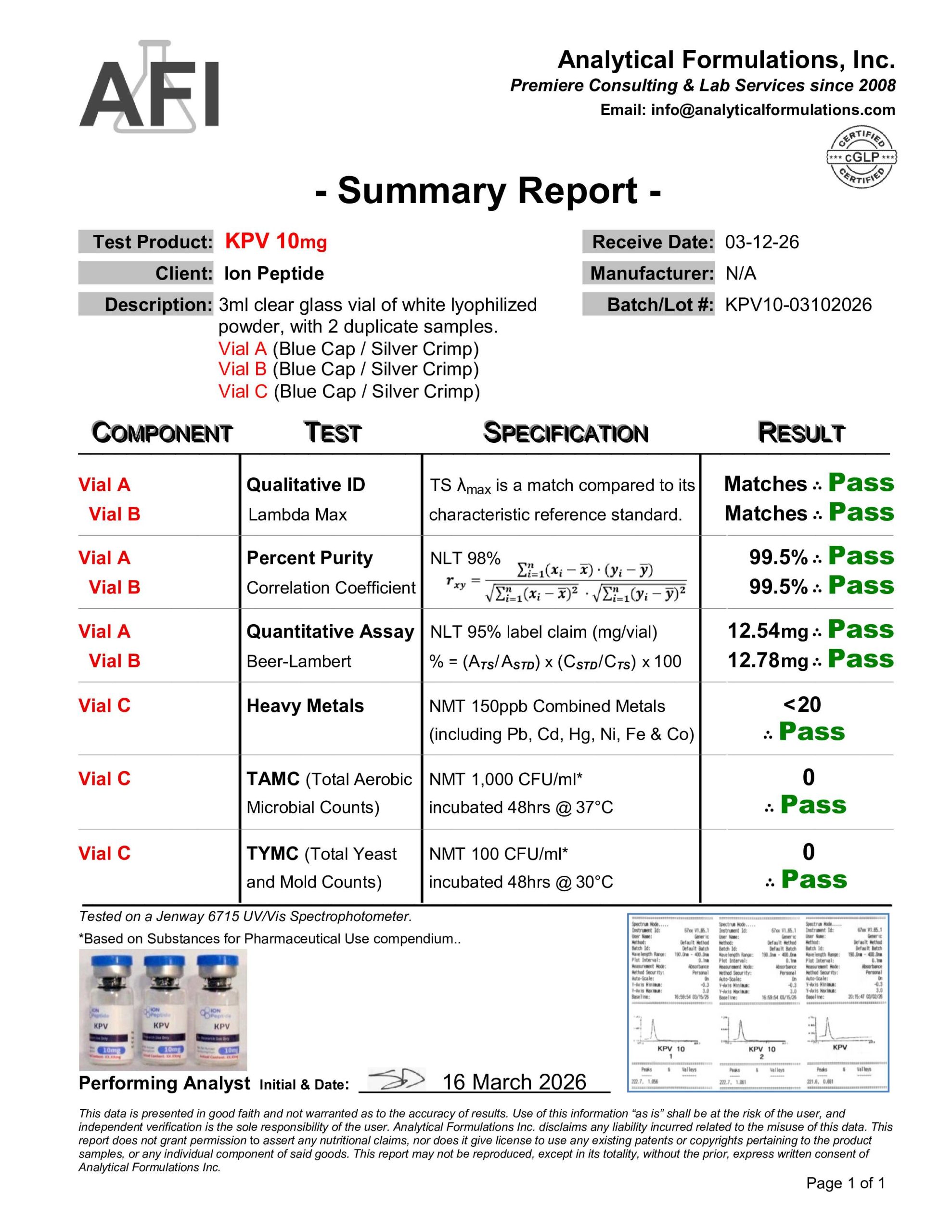
Details

Chemical Formula C₁₆H₂₆N₄O₅
Molecular Mass 354.4 Da
CAS Number 82752-99-6
Form Lyophilized peptide powder
Shelf Life 24 months (lyophilized)
Intended Use For preclinical and in vitro research only
Storage -20 °C (dry powder), -80 °C (after reconstitution)

Research

Research Applications

Anti-Inflammatory Studies

KPV-10 has been shown to significantly reduce inflammatory cytokine production and NF-κB activation in preclinical models [1].

Gut Barrier & Colitis Models

Protects intestinal epithelial cells, reduces colitis severity, and improves gut permeability markers [2].

Dermatology & Wound Healing Research

Demonstrated to accelerate wound closure and reduce local inflammation in skin injury models [3].

Systemic Inflammation & Sepsis

Explored as a modulator of systemic cytokine storms and endotoxin-induced inflammation [4].


References
  1. Getting SJ et al. (2006). Melanocortin Peptides and Their Anti-Inflammatory Effects. Pharmacol Ther.
    https://www.cell.com/trends/pharmacological-sciences/abstract/S0165-6147%2802%2902103-X

  2. Catania A et al. (2010). α-MSH Peptide Fragments and Intestinal Inflammation. Ann NY Acad Sci.
    https://www.sciencedirect.com/science/article/pii/S0196978196003452

  3. Lipton JM et al. (1999). Anti-Inflammatory and Wound-Healing Effects of KPV. Peptides.
    https://jpet.aspetjournals.org/article/S0022-3565%2824%2930846-8/fulltext

  4. Star RA et al. (2012). Melanocortin Agonists in Sepsis and Systemic Inflammation. Mol Med.
    https://onlinelibrary.wiley.com/doi/epdf/10.1100/tsw.2010.173

Mechanism of Action

Mechanism of Action (How KPV-10 Works)
  • Melanocortin Receptor Activation: Binds to MC1R and MC3R, triggering anti-inflammatory signaling [Getting 2006].

  • NF-κB Inhibition: Suppresses NF-κB translocation, reducing pro-inflammatory gene transcription [Lipton 1999].

  • Cytokine Reduction: Decreases levels of TNF-α, IL-6, and IL-1β in inflammatory models [Catania 2010].

  • Barrier Protection: Enhances epithelial tight junction integrity and reduces mucosal permeability [Catania 2010].

  • No Pigmentation Effects: Unlike full-length α-MSH, KPV does not stimulate melanogenesis [Getting 2006].


References
  1. Getting SJ et al. (2006). Melanocortin Peptides and Their Anti-Inflammatory Effects. Pharmacol Ther.
    https://www.cell.com/trends/pharmacological-sciences/abstract/S0165-6147%2802%2902103-X

  2. Catania A et al. (2010). α-MSH Peptide Fragments and Intestinal Inflammation. Ann NY Acad Sci.
    https://www.sciencedirect.com/science/article/pii/S0196978196003452

  3. Lipton JM et al. (1999). Anti-Inflammatory and Wound-Healing Effects of KPV. Peptides.
    https://jpet.aspetjournals.org/article/S0022-3565%2824%2930846-8/fulltext

  4. Star RA et al. (2012). Melanocortin Agonists in Sepsis and Systemic Inflammation. Mol Med.
    https://onlinelibrary.wiley.com/doi/epdf/10.1100/tsw.2010.173

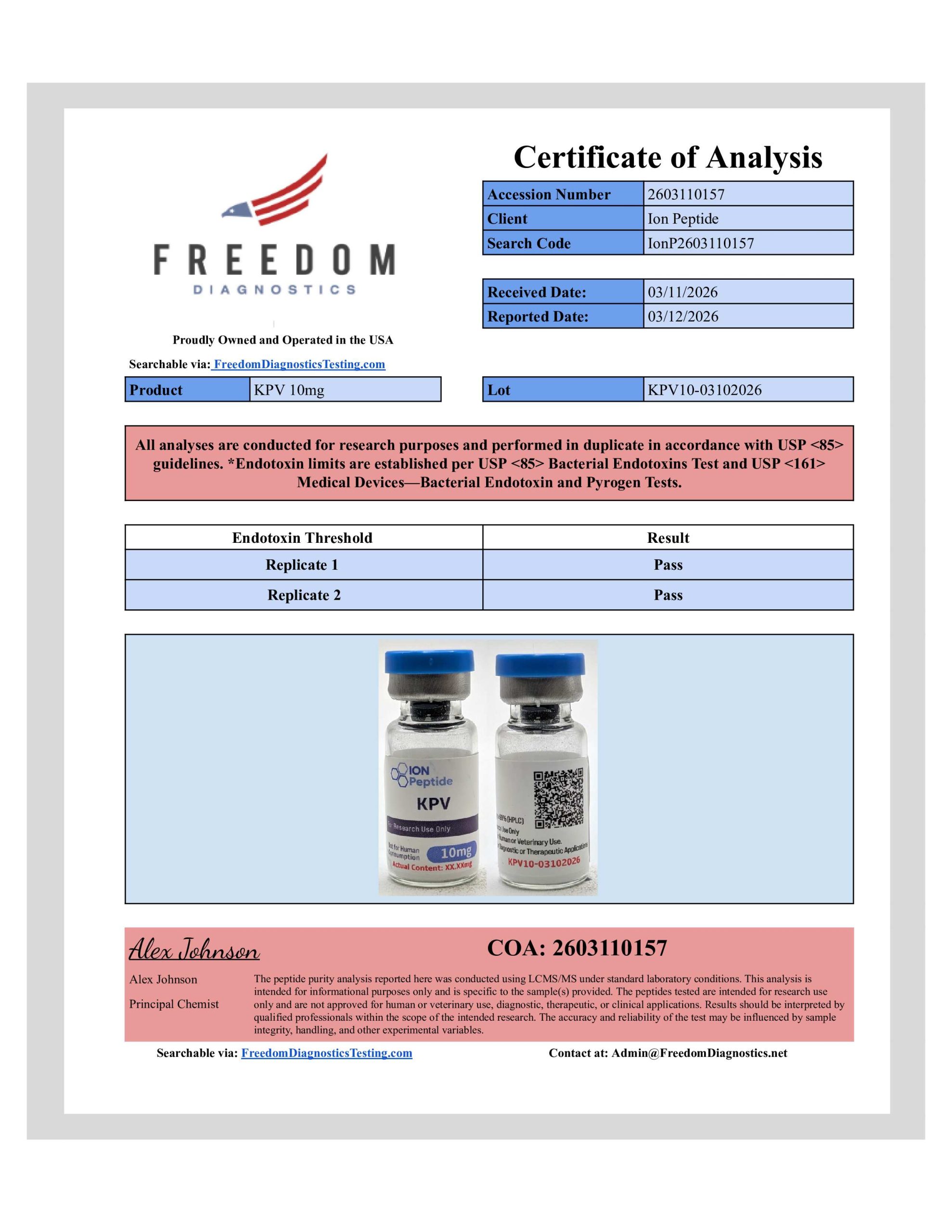
Certificate of Authenticity

Endotoxin