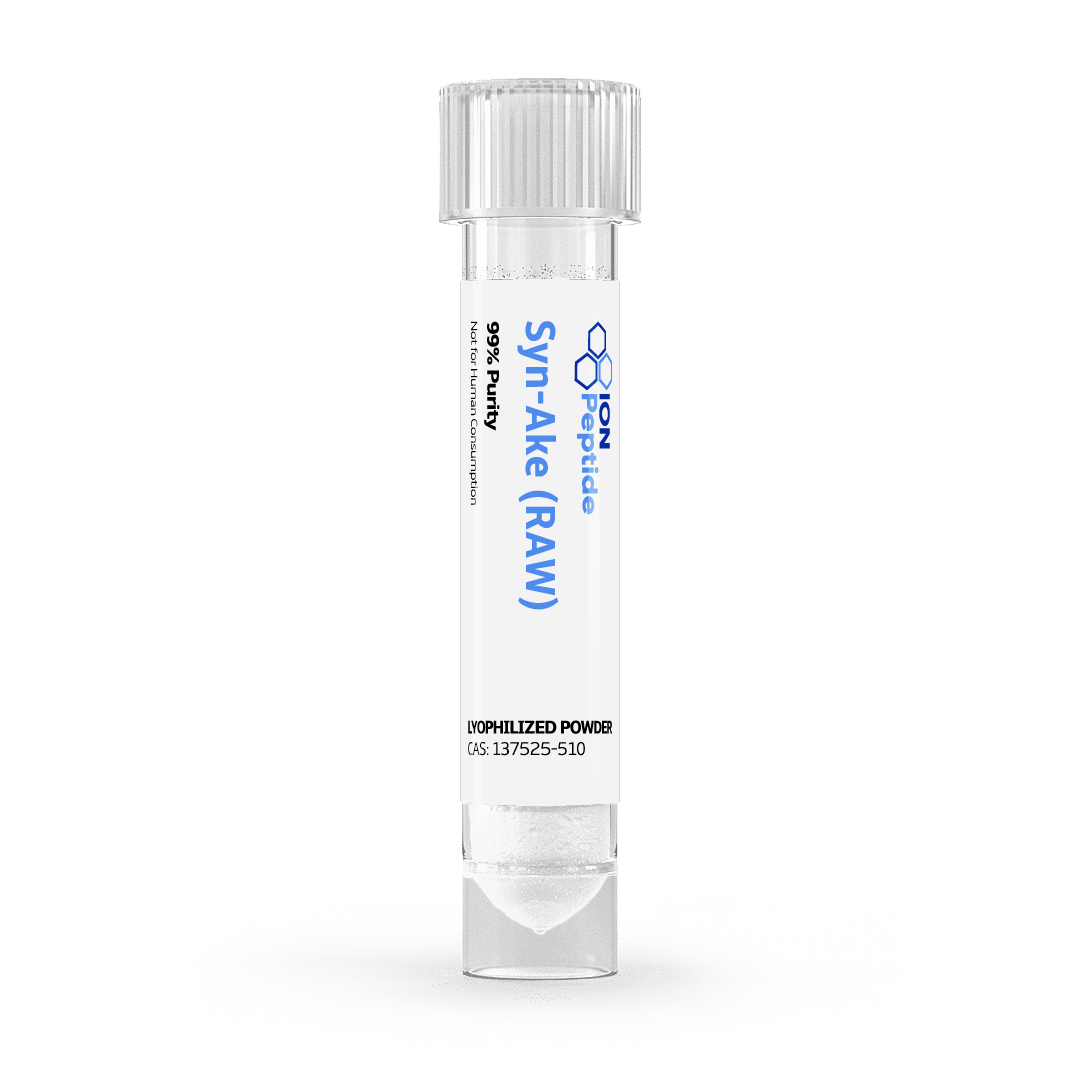
Syn-Ake (Raw) – 1g

$129.00

For research purposes only. Not for human or animal use & not FDA-approved. By purchasing, you confirm you are 21 or older and qualified researcher.

In stock

Quantity Price
4 - 5 $116.10
6 - 9 $108.36
10 + $96.75
Money Back Guarantee Guaranteed Quality Customer Support Fast Shipping

Description

Syn-Ake (Raw) – Research Compound

Tagline: Advanced Peptide Analog


Product Description

Syn-Ake (Raw) is a specialized peptide analog designed for controlled laboratory research applications. As a dipeptide-based research compound, DDBD is investigated for its potential roles in cellular signaling, metabolic regulation, and peptide transport mechanisms. Researchers value DDBD for its structural simplicity combined with functional relevance in biochemical and molecular studies.

This compound is supplied in raw form, offering maximum flexibility for controlled research environments.
All information provided relates strictly to scientific investigation. This compound is not intended for human use.


Why Researchers Choose Syn-Ake (Raw)
  • High research-grade purity suitable for biochemical and cellular studies.

  • Stable raw-form dipeptide structure for versatile assay development.

  • Easy to reconstitute and integrate into peptide-based experimental models.

  • Reliable consistency between batches for reproducible data.

  • Supports investigation into metabolic, enzymatic, and peptide-transport pathways.

  • Packaged for precise handling in controlled laboratory settings.


Important Note

For laboratory and scientific research only. Not for human consumption.
Details

Specification Details
Product Name Dipeptide (DDBD)
Chemical Formula Not specified
Molecular Mass Not specified
CAS Number Not assigned
Form Raw powder
Shelf Life Stable for long-term storage at –20°C
Intended Use Laboratory and scientific research only
Storage Conditions –20°C or below; protect from moisture

Research

Research
Metabolic Pathways & Enzymatic Activity

Researchers explore DDBD to better understand how dipeptides interact with metabolic enzymes and transport systems. Early studies suggest that short-chain peptides like DDBD can influence nutrient processing and uptake pathways [1][2]. These interactions help model peptide digestion, absorption, and intracellular regulation in controlled laboratory systems.

Cellular Signaling & Regulatory Mechanisms

DDBD serves as a useful tool in experiments investigating peptide-mediated signaling. Dipeptides may interact with membrane receptors or intracellular intermediates, offering insights into how cells respond to peptide-based stimuli [2]. These models support broader research into biochemical communication networks.

Protein & Peptide Transport Studies

Because of its small size and modifiable structure, DDBD is used to study peptide transport channels and enzymatic breakdown. Findings indicate that dipeptides can be efficiently transported across biological membranes in experimental setups, making them valuable in transporter-targeted research [3].


References
  1. Newstead, S. (2015). Structural basis for substrate recognition by peptide transporters. Nature.
    https://www.nature.com/articles/nature14242

  2. Daniel, H. (2004). Molecular and integrative physiology of intestinal peptide transport. Physiological Reviews.
    https://journals.physiology.org/doi/full/10.1152/physrev.00020.2003

  3. Guo, C. et al. (2021). Substrate recognition and proton coupling in the human peptide transporter PepT1. Science Advances.
    https://www.science.org/doi/10.1126/sciadv.abf8411

  4. Pierzchala, K. et al. (2022). Proton coupling and kinetic mechanism of peptide transporters. Biophysical Journal.
    https://www.cell.com/biophysj/fulltext/S0006-3495(22)00422-2

Mechanism of Action

Mechanism of Action
  • Interacts with peptide transporters involved in nutrient uptake and molecular signaling [1].

  • May influence enzymatic cleavage pathways that regulate dipeptide metabolism [2].

  • Participates in biochemical signaling loops that help model cellular communication.

  • Supports research into substrate recognition and transporter affinity in peptide-related systems.

  • Provides a simplified framework to study metabolic and biochemical peptide interactions.


References
    1. Newstead, S. (2015). Structural basis for substrate recognition by peptide transporters. Nature.
      https://www.nature.com/articles/nature14242

    2. Daniel, H. (2004). Molecular and integrative physiology of intestinal peptide transport. Physiological Reviews.
      https://journals.physiology.org/doi/full/10.1152/physrev.00020.2003

    3. Guo, C. et al. (2021). Substrate recognition and proton coupling in the human peptide transporter PepT1. Science Advances.
      https://www.science.org/doi/10.1126/sciadv.abf8411

    4. Pierzchala, K. et al. (2022). Proton coupling and kinetic mechanism of peptide transporters. Biophysical Journal.
      https://www.cell.com/biophysj/fulltext/S0006-3495(22)00422-2

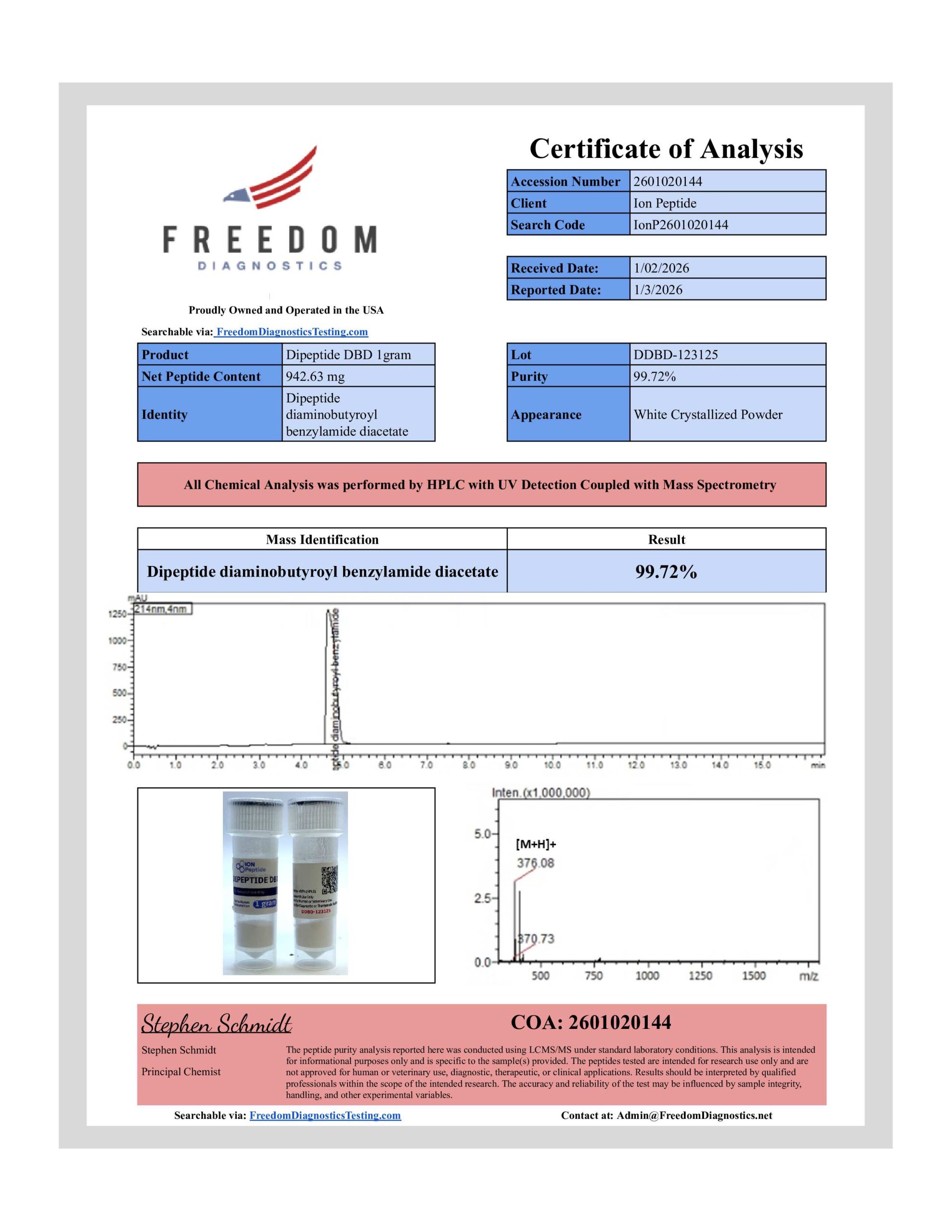
Certificate of Authenticity