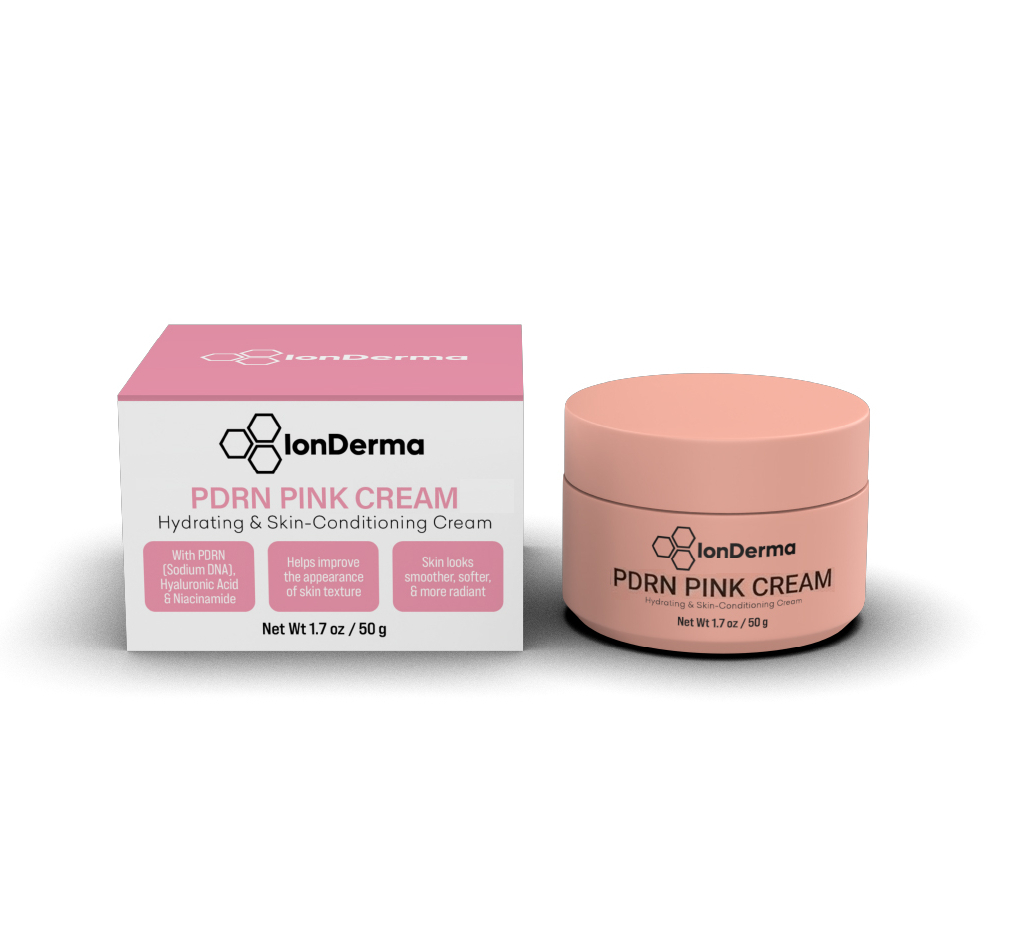
PDRN Pink Cream

$34.95

For research purposes only. Not for human or animal use & not FDA-approved. By purchasing, you confirm you are 21 or older and qualified researcher.

In stock

Quantity Price
4 - 5 $31.46
6 - 9 $29.36
10 + $26.21
Money Back Guarantee Guaranteed Quality Customer Support Fast Shipping

Description

PDRN Pink Face Cream

Cosmetic-Grade Polynucleotide Formulation
Tagline: Polynucleotide Hydration & Skin Surface Research


Product Description

PDRN Pink Face Cream is a topical cosmetic formulation incorporating PDRN (polydeoxyribonucleotide) within a hydrating cream base designed for skin surface application.

PDRN consists of low-molecular-weight DNA fragments (polynucleotides) studied in laboratory and formulation research for their role in nucleotide-based biomaterial systems, hydration dynamics, and polymer interaction behavior. In cosmetic and formulation contexts, PDRN is used to explore biopolymer compatibility, structural support systems, and surface interaction properties.

This cream formulation combines polynucleotide components with a moisturizing base, allowing controlled evaluation of topical delivery systems, hydration balance, and formulation stability.

For Cosmetic and Laboratory Research Use Only. Not for Injectable or Therapeutic Use.


Why Researchers Choose This Formulation
  • Incorporates PDRN (polynucleotide-based component)

  • Suitable for topical formulation and hydration studies

  • Supports biopolymer and skin surface interaction research

  • Cream-based system for controlled application models

  • Compatible with cosmetic and formulation testing workflows

  • Ready-to-use formulation for standardized evaluation


Important Note

For cosmetic and laboratory research use only. Not for human consumption, injection, or therapeutic application.
Details

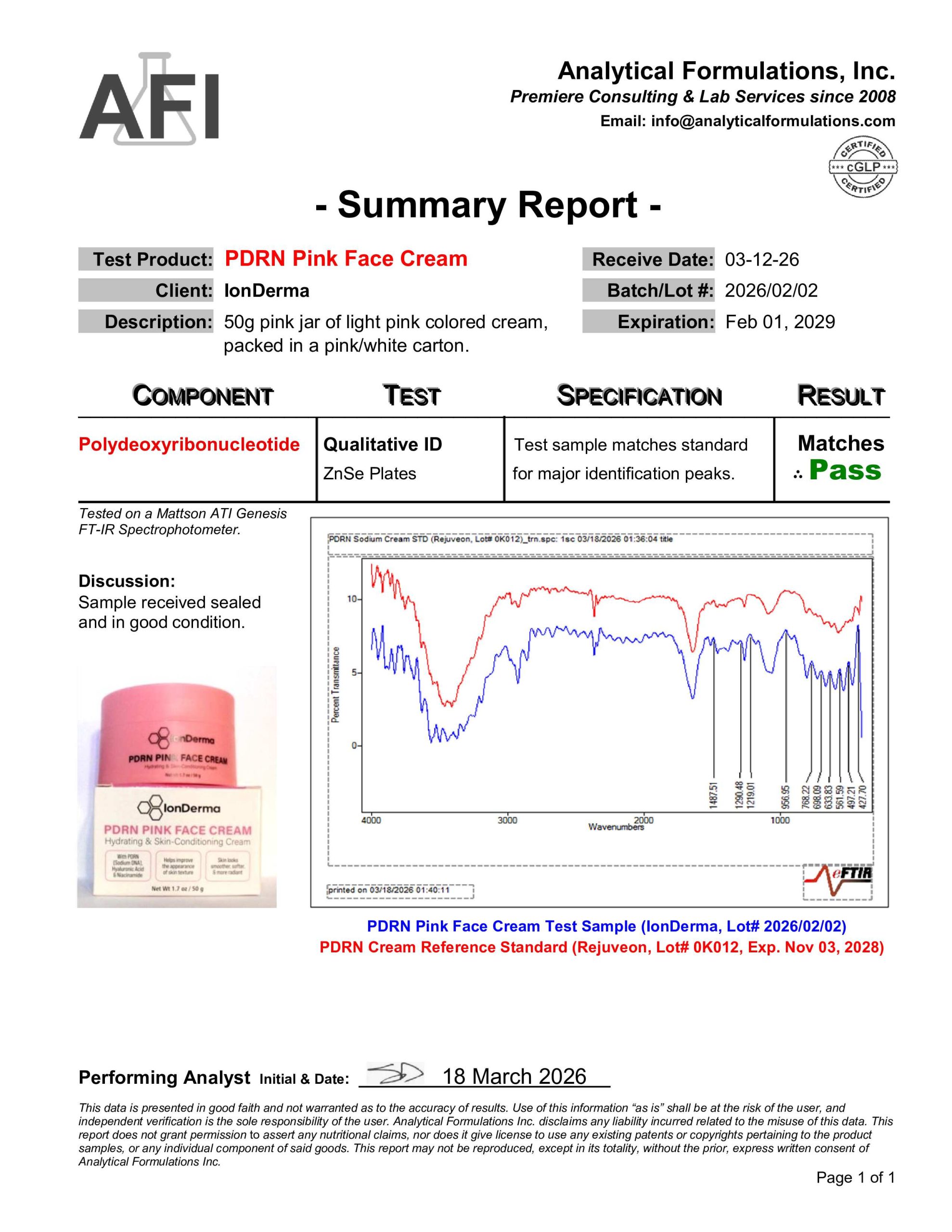
Product Name PDRN Pink Face Cream
Primary Component PDRN (Polydeoxyribonucleotide)
Formulation Type Topical cream (emulsion)
Compound Class Polynucleotide (DNA fragments)
Application Area Skin surface (topical)

Research

Research Applications

Topical Biopolymer Interaction Studies

This formulation is used in research evaluating how polynucleotide-based materials interact with surface substrates, including compatibility and distribution in topical systems.

Hydration & Moisture Retention Research

The cream base supports studies of hydration dynamics, moisture retention, and emulsion-based delivery systems under controlled conditions.

Formulation Stability & Emulsion Behavior

Used in laboratory environments to assess phase stability, viscosity behavior, and ingredient compatibility in polynucleotide-containing cosmetic formulations.

Surface Delivery System Evaluation

The cream matrix enables controlled investigation of topical distribution, diffusion behavior, and formulation performance.


References
  1. Polydeoxyribonucleotide (PDRN) — structure and properties overview.
    https://en.wikipedia.org/wiki/Polydeoxyribonucleotide

  2. Polynucleotides in biomaterials and cosmetic formulations (review).
    https://www.ncbi.nlm.nih.gov/pmc/articles/PMC8305201/

  3. DNA-based polymers and biomaterial interaction properties.
    https://www.sciencedirect.com/science/article/pii/S0142961219304192

  4. Cosmetic emulsions and topical formulation science.
    https://www.sciencedirect.com/topics/chemistry/emulsion

Mechanism of Action

Mechanism of Action
Polynucleotide Structural Properties (PDRN)

PDRN consists of DNA-derived fragments that function as biopolymeric structures, allowing study of polymer behavior, molecular interactions, and structural compatibility in aqueous systems.

Hydration & Water Interaction

The formulation supports water retention and moisture balance, contributing to hydration-related research models.

Surface Film Formation

Cream-based systems may form a thin film layer on surfaces, enabling evaluation of coating behavior and ingredient distribution.

Emulsion-Based Delivery System

The formulation acts as a carrier matrix, allowing uniform dispersion of polynucleotide components across the application surface.


References
  1. Polydeoxyribonucleotide (PDRN) — structure and properties overview.
    https://en.wikipedia.org/wiki/Polydeoxyribonucleotide

  2. Polynucleotides in biomaterials and cosmetic formulations (review).
    https://www.ncbi.nlm.nih.gov/pmc/articles/PMC8305201/

  3. DNA-based polymers and biomaterial interaction properties.
    https://www.sciencedirect.com/science/article/pii/S0142961219304192

  4. Cosmetic emulsions and topical formulation science.
    https://www.sciencedirect.com/topics/chemistry/emulsion

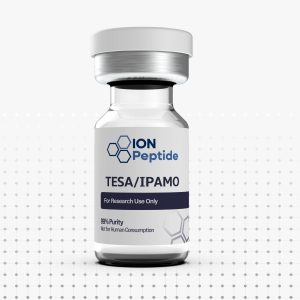
Certificate of Authenticity