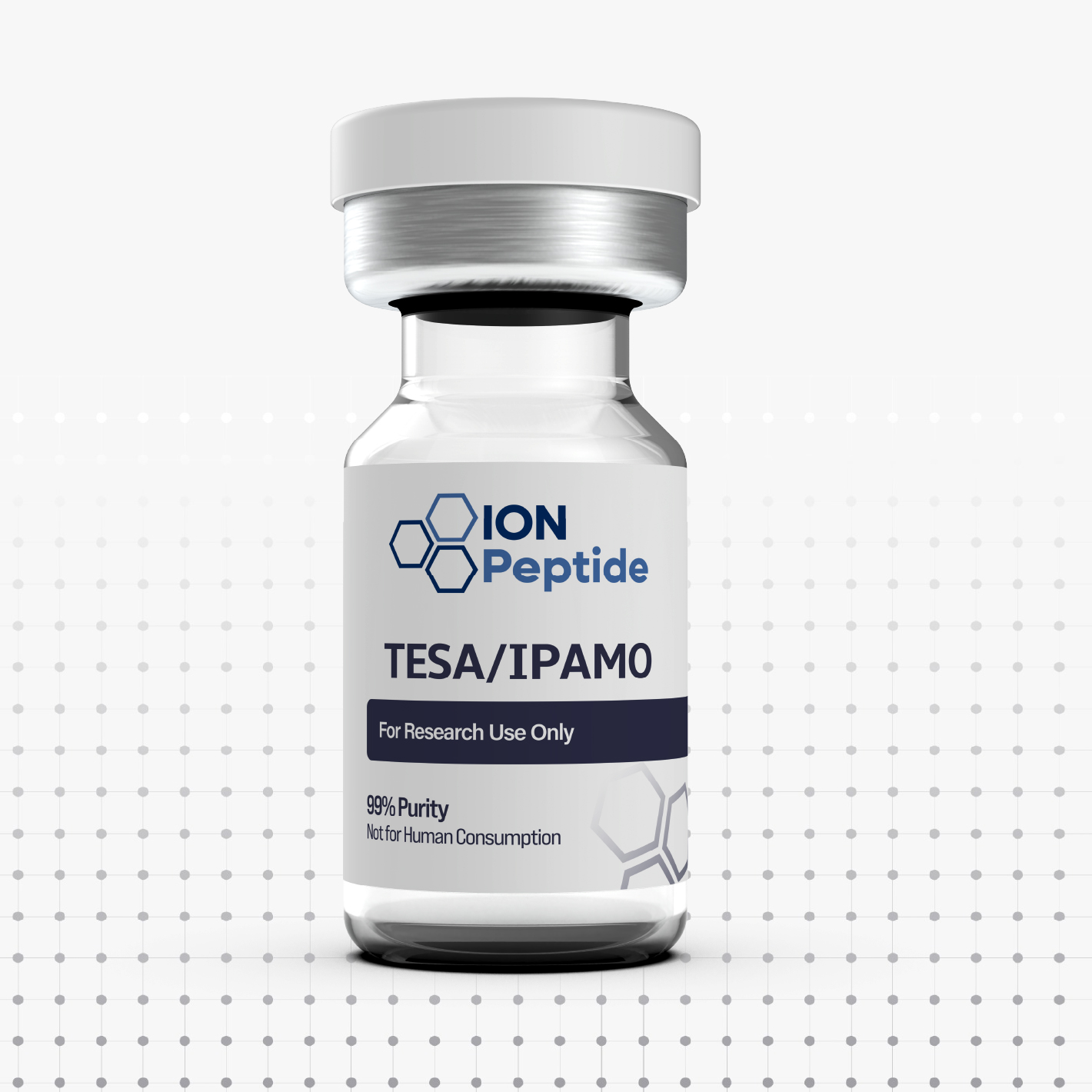
Tesa/Ipamo

Price range: $79.95 through $99.00

For research purposes only. Not for human or animal use & not FDA-approved. By purchasing, you confirm you are 21 or older and qualified researcher.

Quantity Price
4 - 5 $71.96
6 - 9 $67.16
10 + $59.96
Money Back Guarantee Guaranteed Quality Customer Support Fast Shipping

Description

Tesamorelin/Ipamorelin (10 mg)

Research-Grade Growth Hormone Secretagogue Blend
Tagline: GH Axis & Metabolic Function Research Formula


Product Description

Tesamorelin/Ipamorelin is a dual peptide formulation combining two potent growth hormone–releasing compounds with complementary mechanisms of action.

  • Tesamorelin is a synthetic analog of Growth Hormone–Releasing Hormone (GHRH) that stimulates GH secretion via direct activation of GHRH receptors in the pituitary.

  • Ipamorelin is a selective growth hormone secretagogue (GHS) that activates ghrelin receptors (GHSR-1a), promoting GH release through a distinct signaling pathway.

Together, this combination provides a synergistic research model for studying growth hormone dynamics, IGF-1 regulation, fat metabolism, and muscle development.

For Laboratory and Scientific Research Use Only. Not for Human Consumption.


Why Researchers Choose Tesamorelin/Ipamorelin
  • Dual Pathway GH Stimulation: Combines GHRH and GHS receptor activation for enhanced GH release.

  • Metabolic Function Studies: Used in models of adipose metabolism, IGF-1 signaling, and energy balance.

  • Anabolic & Regenerative Research: Investigated for tissue repair, muscle growth, and cellular recovery.

  • Improved Lipid Mobilization: Tesamorelin supports visceral fat reduction and lipid oxidation pathways.

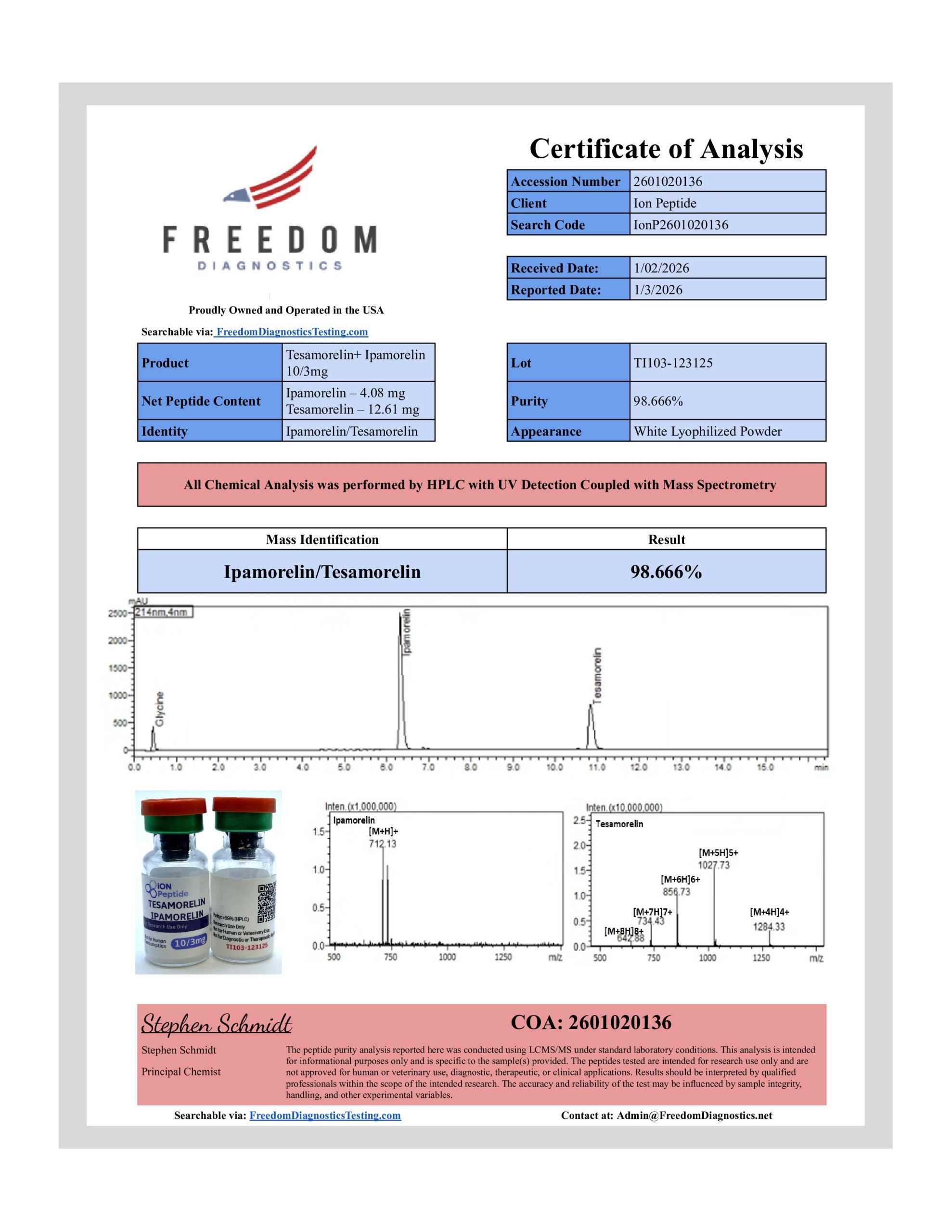
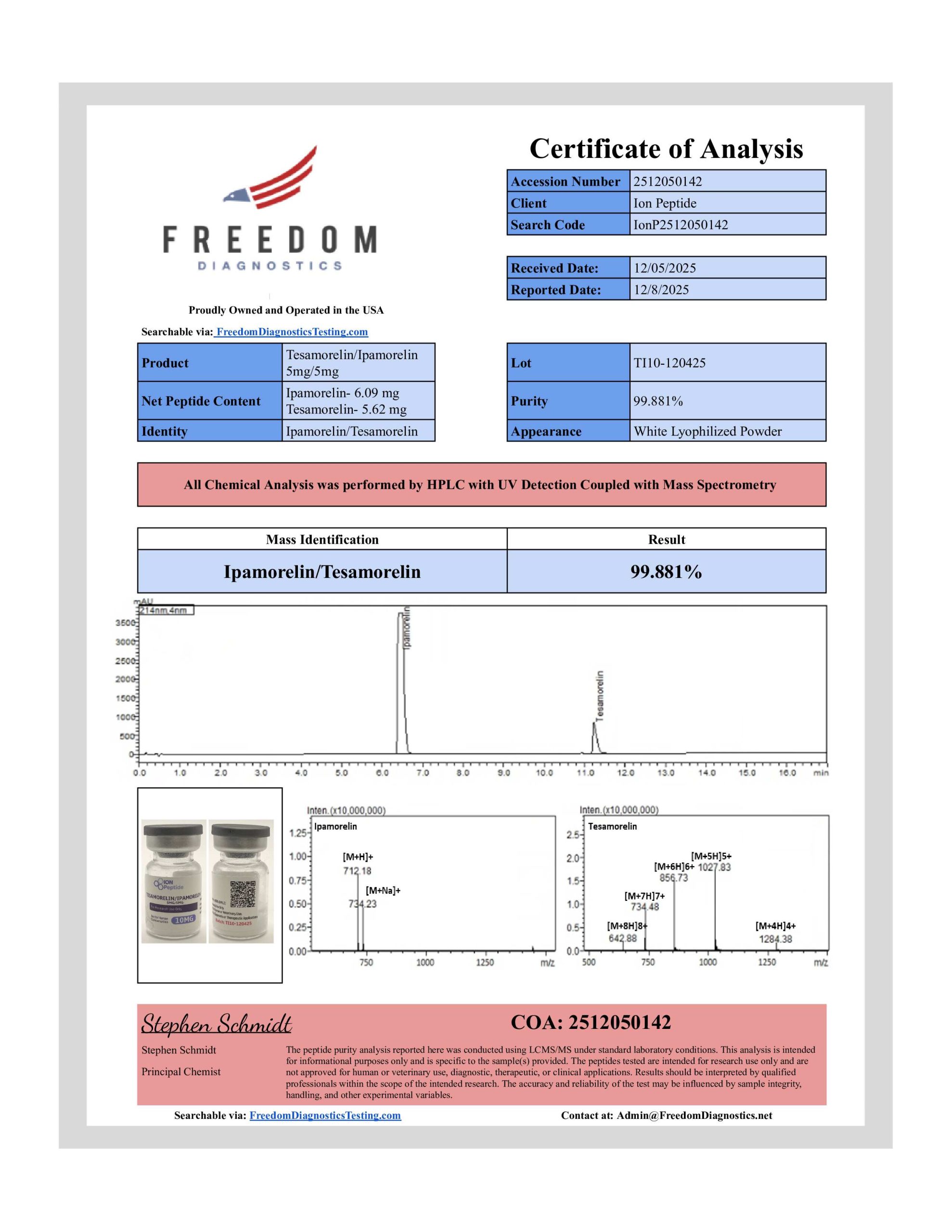
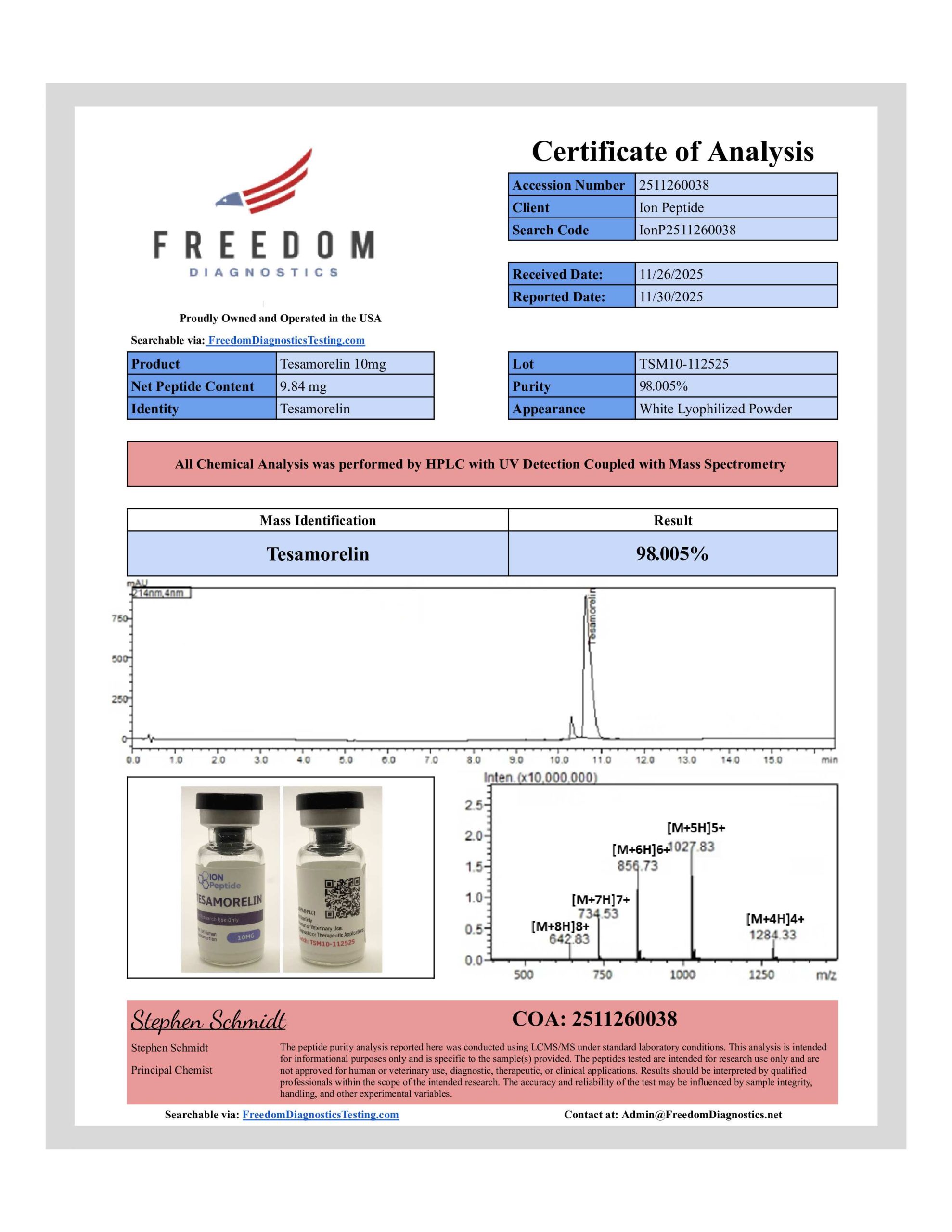
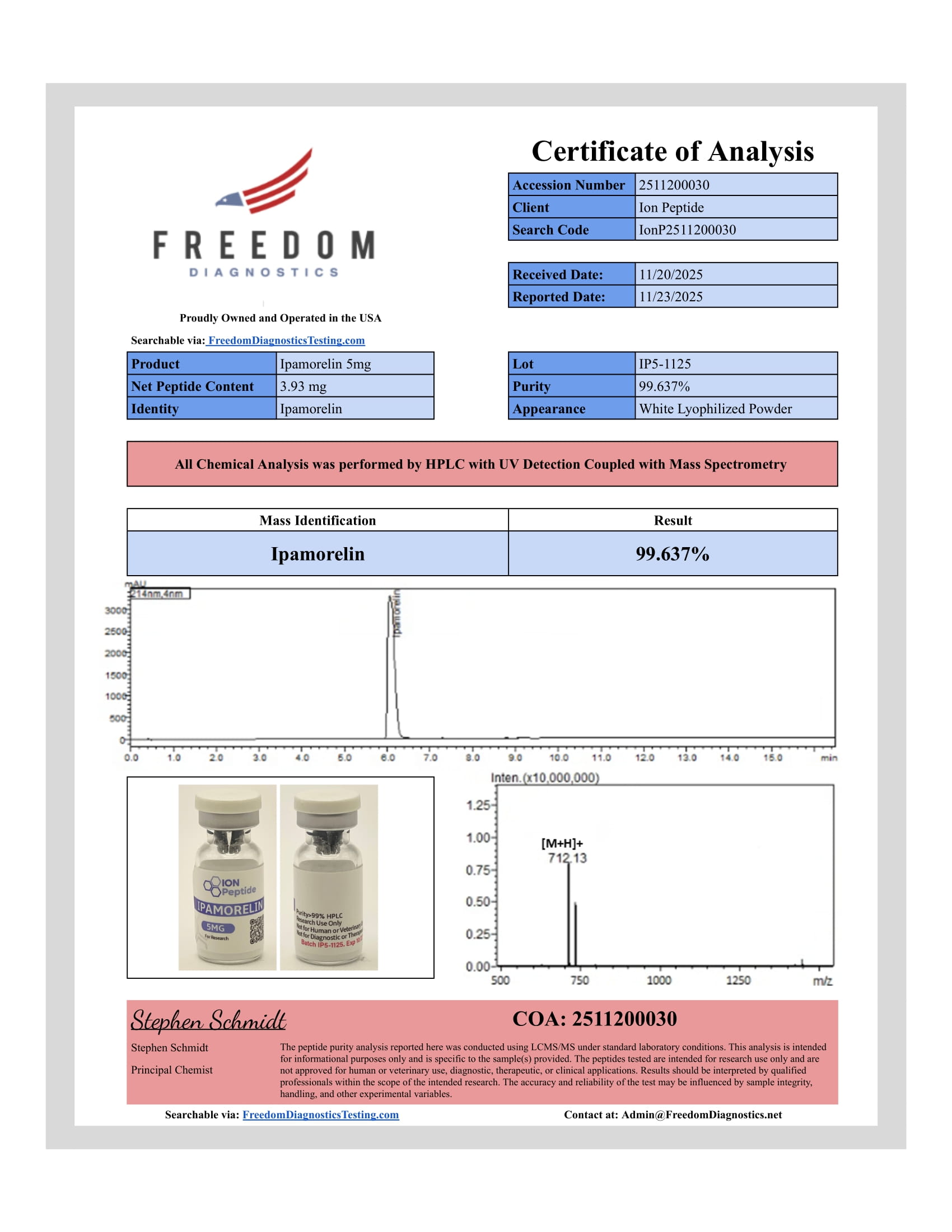
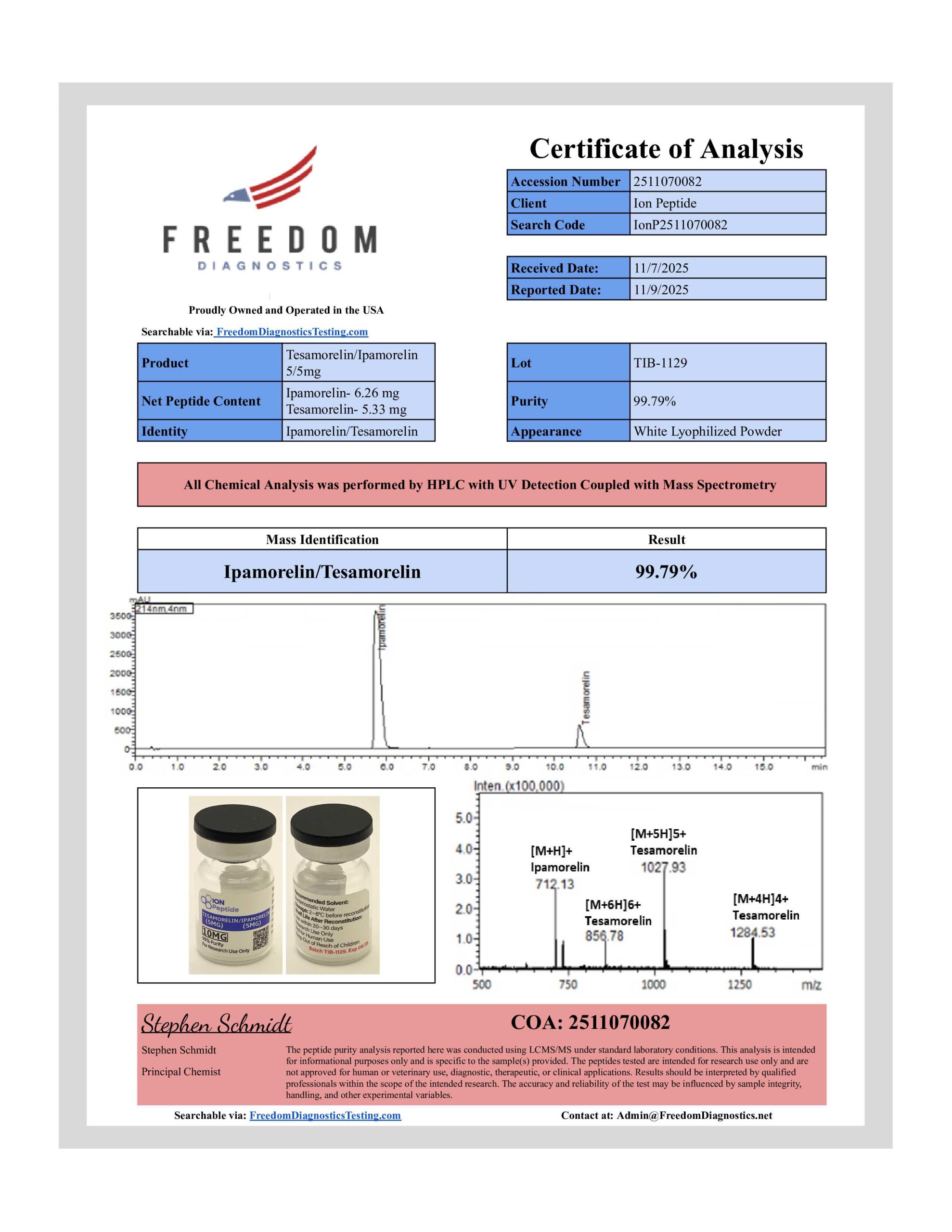
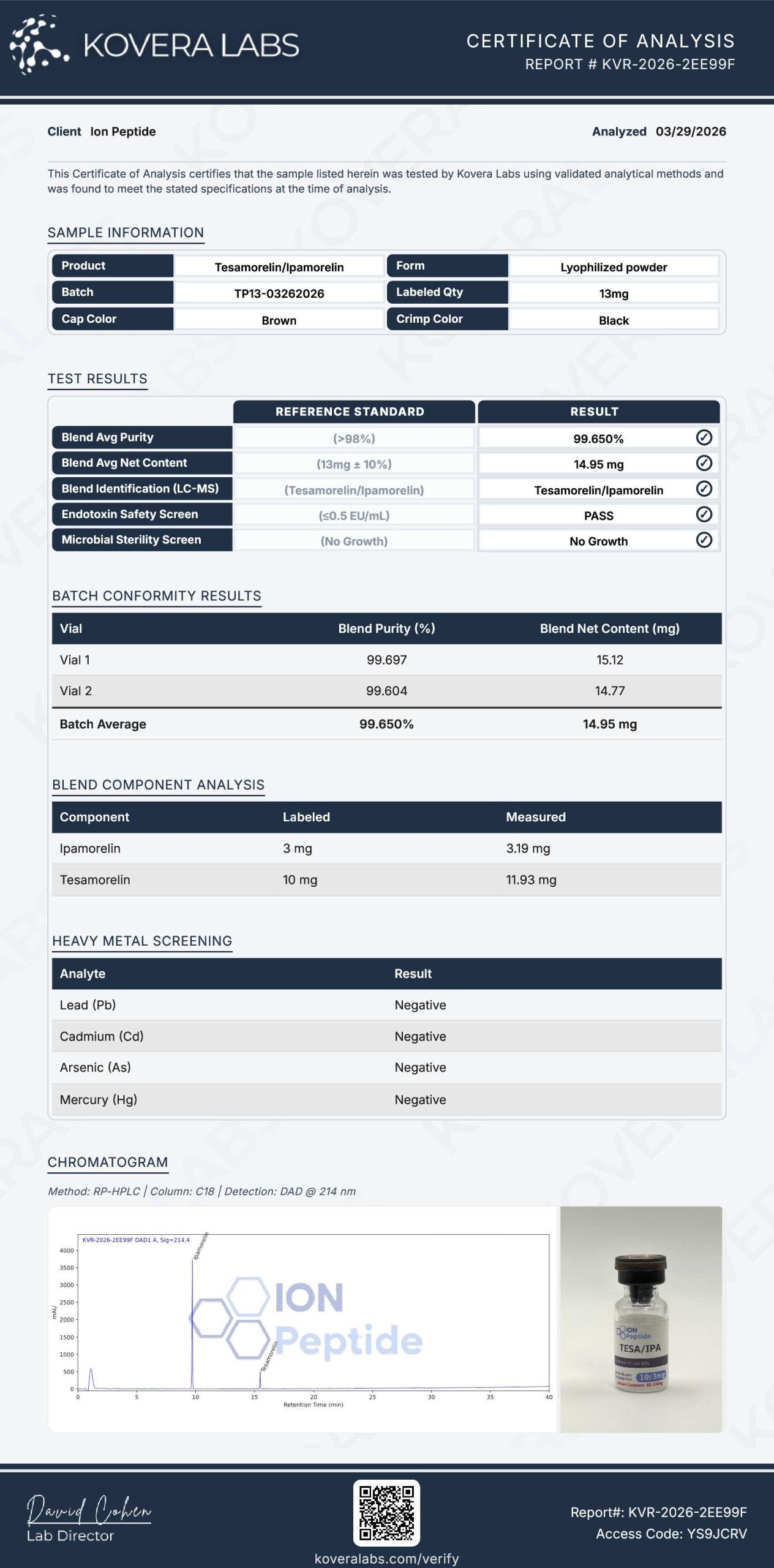
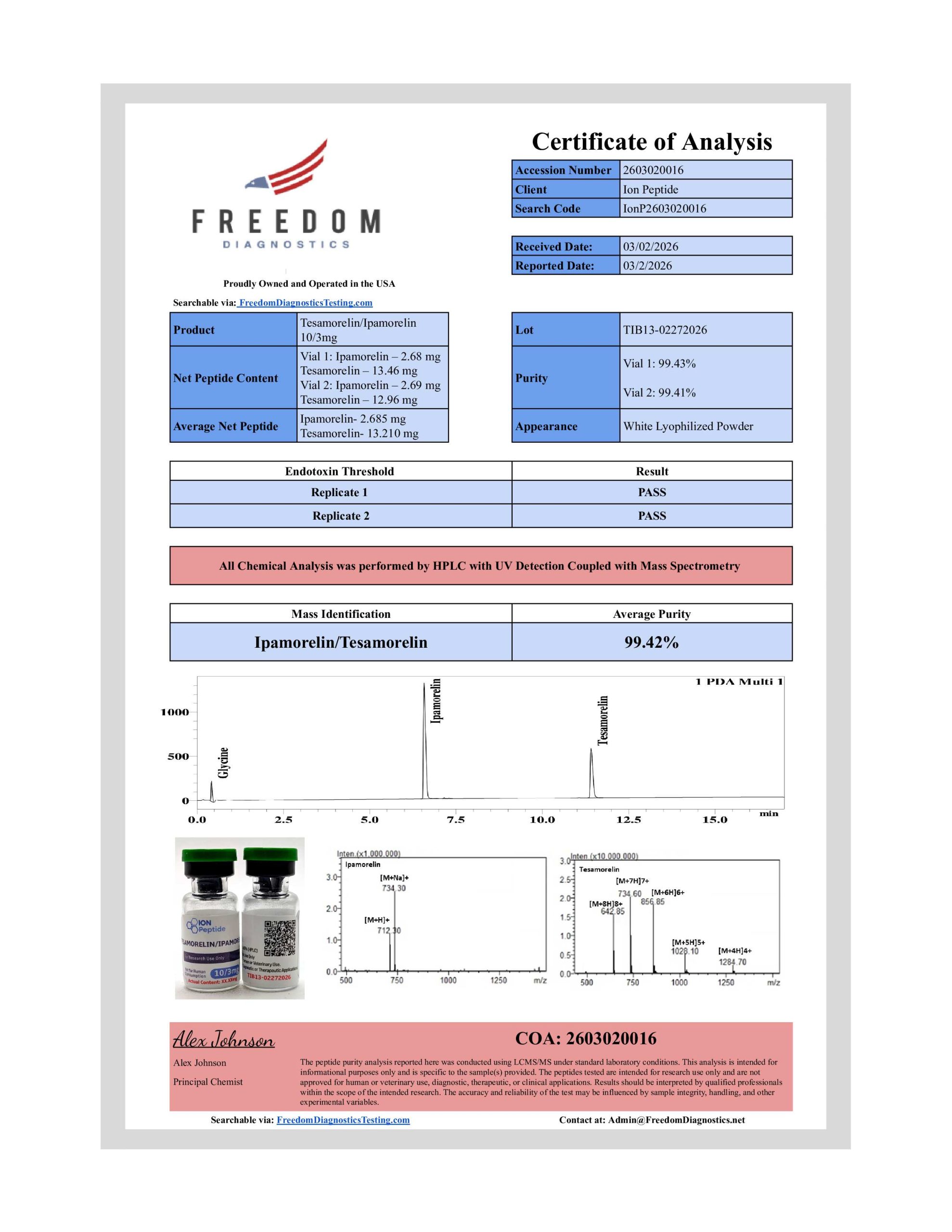
  • High Purity & Stability: ≥98% peptide purity verified via HPLC and MS analysis.


Important Note

For laboratory and scientific research only. Not for human consumption, therapeutic, or diagnostic use.
Additional information

Variant

10/3mg, 5/5mg

Details

Compound Name Tesamorelin/Ipamorelin (Dual Peptide Complex)
Chemical Class Growth Hormone Secretagogue & GHRH Analog
Chemical Formula (Tesamorelin) C221H366N72O67S
Chemical Formula (Ipamorelin) C38H49N9O5
Molecular Mass (Combined) ~5135 Da
Form Lyophilized peptide powder
Storage Conditions –20 °C (dry), 2–8 °C (after reconstitution)
Intended Research Use Growth hormone, IGF-1, metabolism, and regenerative studies

Research

Research Applications

Growth Hormone Secretion & Endocrine Regulation

The Tesamorelin/Ipamorelin combination has been shown to synergistically elevate GH secretion by stimulating both GHRH and GHS receptors, creating a potent dual activation of the somatotropic axis [Bowers 2001].

Metabolic & Lipolytic Research

Tesamorelin increases lipolysis and fatty acid oxidation, reducing visceral adipose tissue while maintaining lean mass in metabolic disorder models [Falutz 2010]. Ipamorelin complements this by enhancing GH pulsatility without affecting cortisol or prolactin levels [Raun 1998].

Muscle & Tissue Regeneration

Through GH/IGF-1 signaling activation, this dual blend promotes protein synthesis, muscle regeneration, and recovery, serving as a research model for cellular growth and differentiation studies [Veldhuis 2005].

Neuroprotective & Mitochondrial Studies

GH and IGF-1 have demonstrated neuroprotective and mitochondrial support roles, suggesting potential utility for investigating neurodegenerative and aging-related processes [Frohman 2000].


References

  1. Bowers CY. (2001). Growth Hormone Secretagogues: Basic Principles and Clinical Implications. Endocrine Reviews.
    https://academic.oup.com/edrv/article/22/6/723/2425349

  2. Falutz J, et al. (2010). Tesamorelin, a Growth Hormone–Releasing Factor Analog, Reduces Visceral Fat in HIV-Associated Lipodystrophy. New England Journal of Medicine.
    https://www.nejm.org/doi/full/10.1056/NEJMoa0905958

  3. Raun K, et al. (1998). Ipamorelin, the first selective growth hormone secretagogue. European Journal of Endocrinology.
    https://eje.bioscientifica.com/view/journals/eje/139/5/569.xml

  4. Veldhuis JD, et al. (2005). Mechanisms of Growth Hormone Secretion in Health and Disease. Endocrine Reviews.
    https://academic.oup.com/edrv/article/26/6/753/2355337

  5. Frohman LA, et al. (2000). Regulation of Growth Hormone Secretion. Physiological Reviews.
    https://journals.physiology.org/doi/full/10.1152/physrev.2000.80.2.681

Mechanism of Action

Mechanism of Action
  • GHRH Receptor Activation (Tesamorelin): Stimulates pituitary somatotrophs via cAMP/PKA pathways to release GH [Falutz 2010].

  • Ghrelin Receptor (GHSR-1a) Activation (Ipamorelin): Binds to ghrelin receptors, enhancing GH pulsatility through calcium-dependent pathways [Raun 1998].

  • Synergistic GH Release: Dual stimulation increases both amplitude and frequency of GH pulses [Bowers 2001].

  • IGF-1 Upregulation: Elevated GH leads to hepatic IGF-1 production, driving anabolic and metabolic effects [Veldhuis 2005].

  • Lipid & Glucose Regulation: Modulates adipocyte metabolism and improves insulin sensitivity [Falutz 2010].


References

  1. Bowers CY. (2001). Growth Hormone Secretagogues: Basic Principles and Clinical Implications. Endocrine Reviews.
    https://academic.oup.com/edrv/article/22/6/723/2425349

  2. Falutz J, et al. (2010). Tesamorelin, a Growth Hormone–Releasing Factor Analog, Reduces Visceral Fat in HIV-Associated Lipodystrophy. New England Journal of Medicine.
    https://www.nejm.org/doi/full/10.1056/NEJMoa0905958

  3. Raun K, et al. (1998). Ipamorelin, the first selective growth hormone secretagogue. European Journal of Endocrinology.
    https://eje.bioscientifica.com/view/journals/eje/139/5/569.xml

  4. Veldhuis JD, et al. (2005). Mechanisms of Growth Hormone Secretion in Health and Disease. Endocrine Reviews.
    https://academic.oup.com/edrv/article/26/6/753/2355337

  5. Frohman LA, et al. (2000). Regulation of Growth Hormone Secretion. Physiological Reviews.
    https://journals.physiology.org/doi/full/10.1152/physrev.2000.80.2.681

Certificate of Authenticity