Hyaluronic Acid Serum

$14.95

For research purposes only. Not for human or animal use & not FDA-approved. By purchasing, you confirm you are 21 or older and qualified researcher.

Out of stock

Join the waitlist to be emailed when this product becomes available

Category:

Description

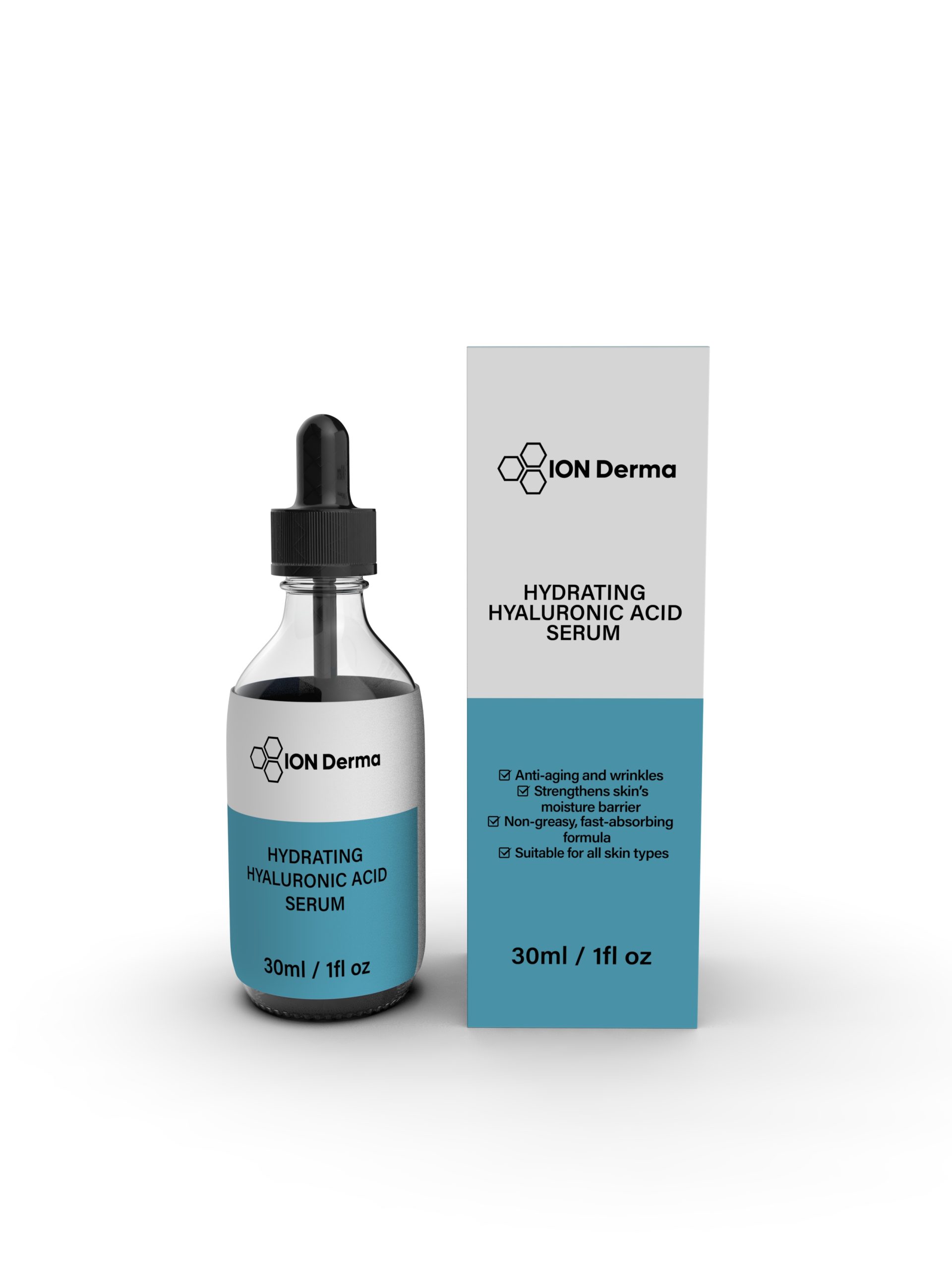
Hyaluronic Acid Serum

Research-Grade Aqueous Formulation (Hyaluronic Acid)
Tagline: Hydration & Biomaterial Interaction Research


Product Description

Hyaluronic Acid Serum is an aqueous formulation containing hyaluronic acid, a naturally occurring glycosaminoglycan found in connective tissues and extracellular matrices. In laboratory and formulation research, hyaluronic acid is studied for its physicochemical properties, including water binding capacity, viscoelastic behavior, and biomaterial compatibility.

This serum format is commonly used as a model solution in research related to hydration dynamics, polymer–water interactions, surface coating behavior, and biomaterial formulation testing. Hyaluronic acid is not pharmacologically active in this context and is studied based on its structural and functional properties.

For Laboratory and Scientific Research Use Only. Not for Human Consumption or Therapeutic Use.


Why Researchers Use Hyaluronic Acid Serum
  • Well-characterized biopolymer used in research

  • High water-binding and viscoelastic properties

  • Compatible with biomaterials and polymer studies

  • Common model compound in formulation research

  • Naturally occurring extracellular matrix component

  • Suitable for hydration and surface interaction studies


Important Note

For laboratory and scientific research only. Not for human consumption, diagnostic, or therapeutic use.
Details

Product Name Hyaluronic Acid Serum
Primary Component Hyaluronic Acid (glycosaminoglycan)
Appearance Clear to slightly viscous liquid
Storage 2–8 °C

Research

Research Applications

Hydration & Water-Binding Studies

Hyaluronic acid is widely studied for its high affinity for water molecules, making this serum useful in research examining hydration dynamics, moisture retention, and polymer–water interactions.

Biomaterial & Surface Interaction Research

Due to its biopolymer structure, hyaluronic acid is used in studies evaluating surface coatings, lubrication behavior, and interactions with synthetic or biological materials.

Formulation & Rheological Testing

The viscoelastic properties of hyaluronic acid make this serum suitable for viscosity testing, stability assessment, and formulation development research.

Extracellular Matrix Model Systems

Hyaluronic acid is a major component of extracellular matrices, and this serum is used in model systems studying matrix structure and biopolymer behavior.


References
  1. Hyaluronic acid — structure, properties, and biological relevance.
    https://en.wikipedia.org/wiki/Hyaluronic_acid

  2. Hyaluronic Acid: Structure, Properties, and Biomedical Applications (MDPI).
    https://www.mdpi.com/1420-3049/25/6/1340

  3. Rheological and viscoelastic properties of hyaluronic acid solutions.
    https://pubmed.ncbi.nlm.nih.gov/20527912/

  4. Hyaluronic acid in biomaterials and surface interaction studies.
    https://www.sciencedirect.com/science/article/pii/S0142961214003326

  5. Hyaluronic Acid — physicochemical properties and formulation considerations (Merck).
    https://www.sigmaaldrich.com/US/en/technical-documents/technical-article/biomaterials/hyaluronic-acid

Mechanism of Action

Mechanism of Action
Water Binding & Retention

Hyaluronic acid contains multiple hydrophilic functional groups that enable it to bind and retain large volumes of water, contributing to its hydration and viscosity properties.

Viscoelastic Behavior

In aqueous solution, hyaluronic acid forms entangled polymer networks that exhibit viscoelastic characteristics, influencing flow, lubrication, and mechanical behavior.

Surface Interaction

Hyaluronic acid can associate with surfaces through hydrogen bonding and electrostatic interactions, making it relevant for coating and interface studies.

Chemical Inertness in Research Contexts

Hyaluronic acid does not exert pharmacological activity in laboratory settings and functions based on physical and structural properties rather than biochemical signaling.


References
  1. Hyaluronic acid — structure, properties, and biological relevance.
    https://en.wikipedia.org/wiki/Hyaluronic_acid

  2. Hyaluronic Acid: Structure, Properties, and Biomedical Applications (MDPI).
    https://www.mdpi.com/1420-3049/25/6/1340

  3. Rheological and viscoelastic properties of hyaluronic acid solutions.
    https://pubmed.ncbi.nlm.nih.gov/20527912/

  4. Hyaluronic acid in biomaterials and surface interaction studies.
    https://www.sciencedirect.com/science/article/pii/S0142961214003326

  5. Hyaluronic Acid — physicochemical properties and formulation considerations (Merck).
    https://www.sigmaaldrich.com/US/en/technical-documents/technical-article/biomaterials/hyaluronic-acid