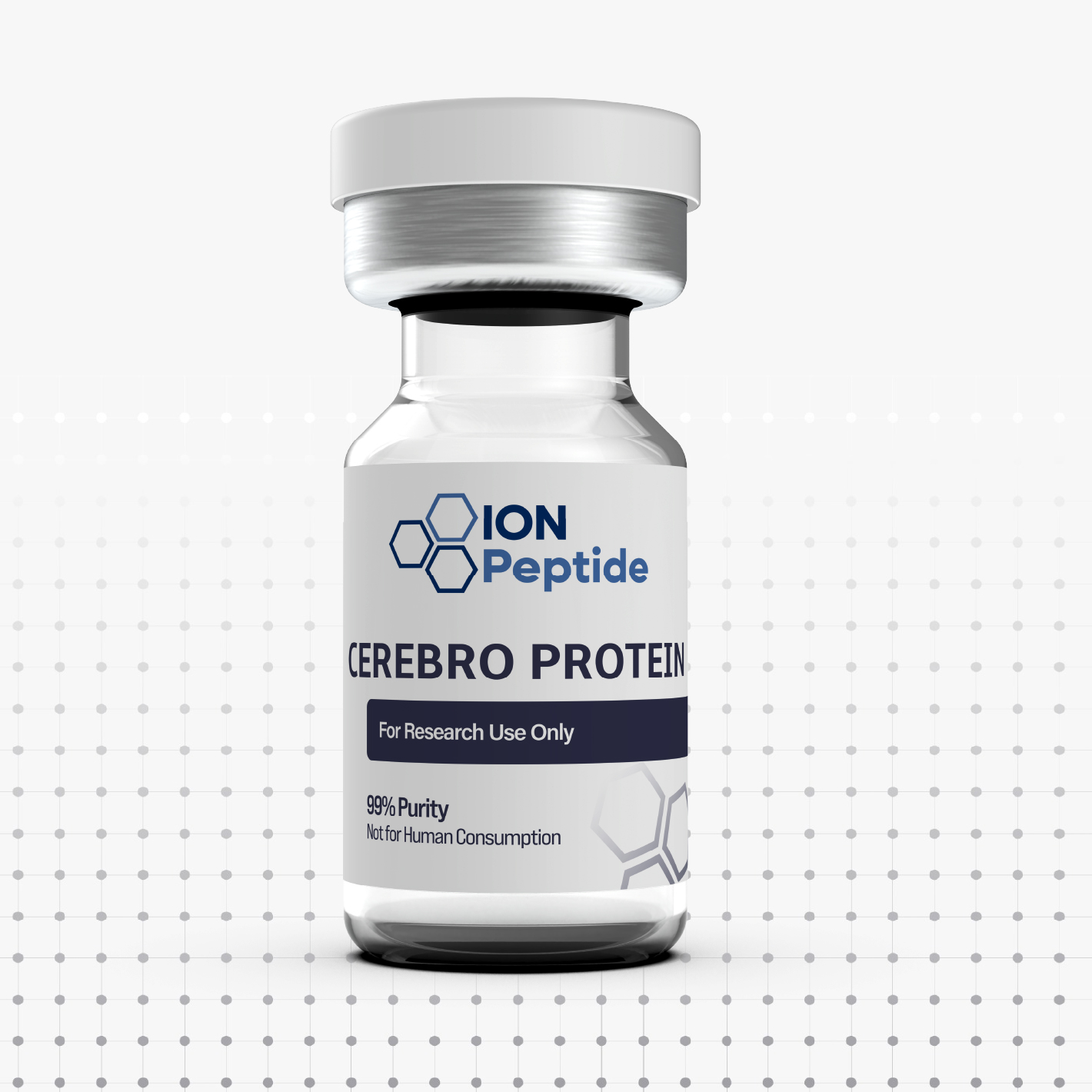
Cerebro Protein – 60mg

$49.95

For research purposes only. Not for human or animal use & not FDA-approved. By purchasing, you confirm you are 21 or older and qualified researcher.

Out of stock

Join the waitlist to be emailed when this product becomes available

Description

Cerebro Protein

Research-Grade Neurotrophic Peptide Complex
Tagline: Neuronal Support & Neuroplasticity Research


Product Description

Cerebro Protein is a low–molecular weight peptide and protein complex derived from purified brain tissue hydrolysates, designed for laboratory research into neuronal survival, neuroplasticity, synaptic signaling, and cognitive pathway modulation. It is studied as a neurotrophic-mimetic compound, meaning it contains peptide fragments that resemble endogenous neurotrophic factors.

In research settings, Cerebro Protein is used to explore neuronal repair mechanisms, neuroprotection under stress conditions, synaptic remodeling, and metabolic support of neural tissue. Its peptide composition allows it to cross biological barriers in experimental models, making it useful for central nervous system (CNS) research applications.

For Laboratory and Scientific Research Use Only. Not for Human Consumption.


Why Researchers Choose Cerebro Protein
  • Neurotrophic-mimetic peptide profile for CNS research

  • Supports neuronal survival and plasticity models

  • Used in neurodegeneration and injury pathway studies

  • Low–molecular weight peptides suitable for cellular and preclinical models

  • Broad signaling relevance (BDNF-like, NGF-like activity models)

  • Research-grade formulation consistency


Important Note

For laboratory and scientific research only. Not for human consumption, diagnostic, or therapeutic use.
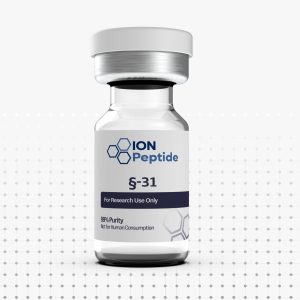
Details

Product Name Cerebro Protein
Compound Class Neurotrophic peptide/protein complex
Source Purified brain-derived peptide hydrolysates
Molecular Profile Low–molecular weight peptides & amino acid fragments
Intended Research Use Neuroprotection, neuroplasticity, cognitive pathway research

Research

Research Applications

Neuroprotection & Neuronal Survival

Cerebro Protein is used in experimental models to study neuronal resistance to oxidative stress, ischemia, and excitotoxic injury, supporting research into mechanisms that preserve neuronal viability.

Neuroplasticity & Synaptic Remodeling

Peptide fragments within Cerebro Protein mimic endogenous neurotrophic signaling, enabling studies of synaptic formation, dendritic growth, and plasticity-related gene expression.

Cognitive & Memory Pathway Research

Researchers apply Cerebro Protein in models investigating learning, memory consolidation, and cholinergic/glutamatergic signaling, particularly under stress or aging conditions.

Neurodegeneration Models

The compound is studied in Alzheimer’s, Parkinson’s, and ischemic injury models to examine cellular repair responses and metabolic support of neurons.


References
  1. Heiss WD, Brainin M, Bornstein NM, Tuomilehto J, Hong Z, et al. (2012).
    Cerebrolysin in Patients With Acute Ischemic Stroke in Asia: Results of a Double-Blind, Placebo-Controlled Randomized Trial (CASTA). Stroke.
    https://www.ahajournals.org/doi/pdf/10.1161/STROKEAHA.111.628537 AHA Journals

  2. Kim et al. (2020).
    Effects of Cerebrolysin on Hippocampal Neuronal Death After Pilocarpine-Induced Seizure. Frontiers in Neuroscience.
    https://www.frontiersin.org/journals/neuroscience/articles/10.3389/fnins.2020.568813/full Frontiers

  3. Plosker GL, Gauthier S. (2009).https://www.frontiersin.org/journals/neuroscience/articles/10.3389/fnins.2020.568813/full?utm_source=chatgpt.com
    Cerebrolysin: A Review of its Use in Dementia. Drugs & Aging.
    https://link.springer.com/article/10.2165/11203320-000000000-00000 Springer

  4. Cai et al. (2014).
    Cerebrolysin reduces amyloid-β deposits, apoptosis and autophagy in an Alzheimer’s disease model. Journal of the Neurological Sciences.
    https://www.jns-journal.com/article/S0022-510X%2813%2903057-8/fulltext jns-journal.com

  5. (Preclinical excitotoxicity / cell-death signaling) (2023).
    Cerebrolysin reduces excitotoxicity by modulation of cell-death signaling proteins (NR2B, JNK, PTEN, calpain, caspase-3). Molecular Neurobiology.
    https://link.springer.com/article/10.1007/s11011-023-01240-4


Mechanism of Action

Mechanism of Action
  • Neurotrophic-mimetic signaling: Peptide fragments activate pathways similar to BDNF and NGF

  • Neuronal metabolism support: Enhances glucose utilization and mitochondrial efficiency in neurons

  • Synaptic stabilization: Promotes synaptic protein expression and dendritic integrity

  • Anti-excitotoxic modulation: Reduces glutamate-induced neuronal stress

  • Inflammation modulation: Suppresses pro-inflammatory cytokine signaling in neural tissue


References
  1. Heiss WD, Brainin M, Bornstein NM, Tuomilehto J, Hong Z, et al. (2012).
    Cerebrolysin in Patients With Acute Ischemic Stroke in Asia: Results of a Double-Blind, Placebo-Controlled Randomized Trial (CASTA). Stroke.
    https://www.ahajournals.org/doi/pdf/10.1161/STROKEAHA.111.628537 AHA Journals

  2. Kim et al. (2020).
    Effects of Cerebrolysin on Hippocampal Neuronal Death After Pilocarpine-Induced Seizure. Frontiers in Neuroscience.
    https://www.frontiersin.org/journals/neuroscience/articles/10.3389/fnins.2020.568813/full Frontiers

  3. Plosker GL, Gauthier S. (2009).https://www.frontiersin.org/journals/neuroscience/articles/10.3389/fnins.2020.568813/full?utm_source=chatgpt.com
    Cerebrolysin: A Review of its Use in Dementia. Drugs & Aging.
    https://link.springer.com/article/10.2165/11203320-000000000-00000 Springer

  4. Cai et al. (2014).
    Cerebrolysin reduces amyloid-β deposits, apoptosis and autophagy in an Alzheimer’s disease model. Journal of the Neurological Sciences.
    https://www.jns-journal.com/article/S0022-510X%2813%2903057-8/fulltext jns-journal.com

  5. (Preclinical excitotoxicity / cell-death signaling) (2023).
    Cerebrolysin reduces excitotoxicity by modulation of cell-death signaling proteins (NR2B, JNK, PTEN, calpain, caspase-3). Molecular Neurobiology.
    https://link.springer.com/article/10.1007/s11011-023-01240-4