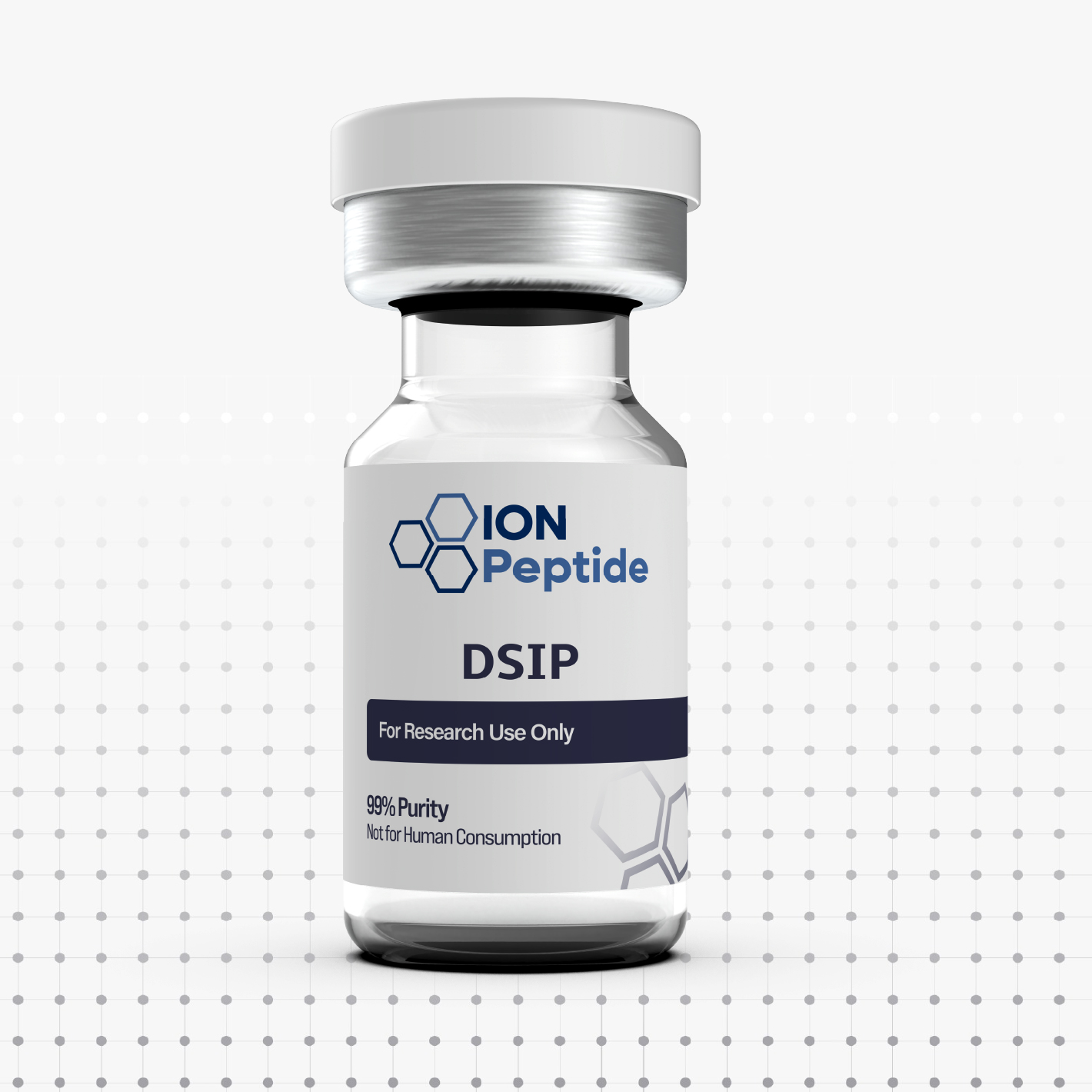
DSIP

Price range: $29.00 through $45.00

For research purposes only. Not for human or animal use & not FDA-approved. By purchasing, you confirm you are 21 or older and qualified researcher.

Quantity Price
4 - 5 $26.10
6 - 9 $24.36
10 + $21.75
Money Back Guarantee Guaranteed Quality Customer Support Fast Shipping
SKU: N/A Categories: , ,

Description

DSIP (Delta Sleep-Inducing Peptide)

Research-Grade Neuropeptide
Tagline: Sleep, Stress & Neuroendocrine Research


Product Description

DSIP (Delta Sleep-Inducing Peptide) is a naturally occurring neuropeptide first isolated from the brain that has been linked to the regulation of slow-wave (delta) sleep. It is a nonapeptide with broad effects on the central nervous system, endocrine regulation, and stress adaptation.

Researchers study DSIP to investigate its potential roles in sleep modulation, stress response, pain control, and hormone secretion (LH, GH, ACTH). Its ability to cross the blood-brain barrier makes it an important tool for neurobiology and behavioral research.

For Laboratory and Scientific Research Use Only. Not for Human Consumption.


Why Researchers Choose DSIP
  • Endogenous Neuropeptide: Provides a physiologically relevant model for sleep research.

  • CNS Penetrant: Crosses the blood-brain barrier in preclinical models.

  • Multifunctional: Studied in sleep regulation, hormone modulation, and stress response.

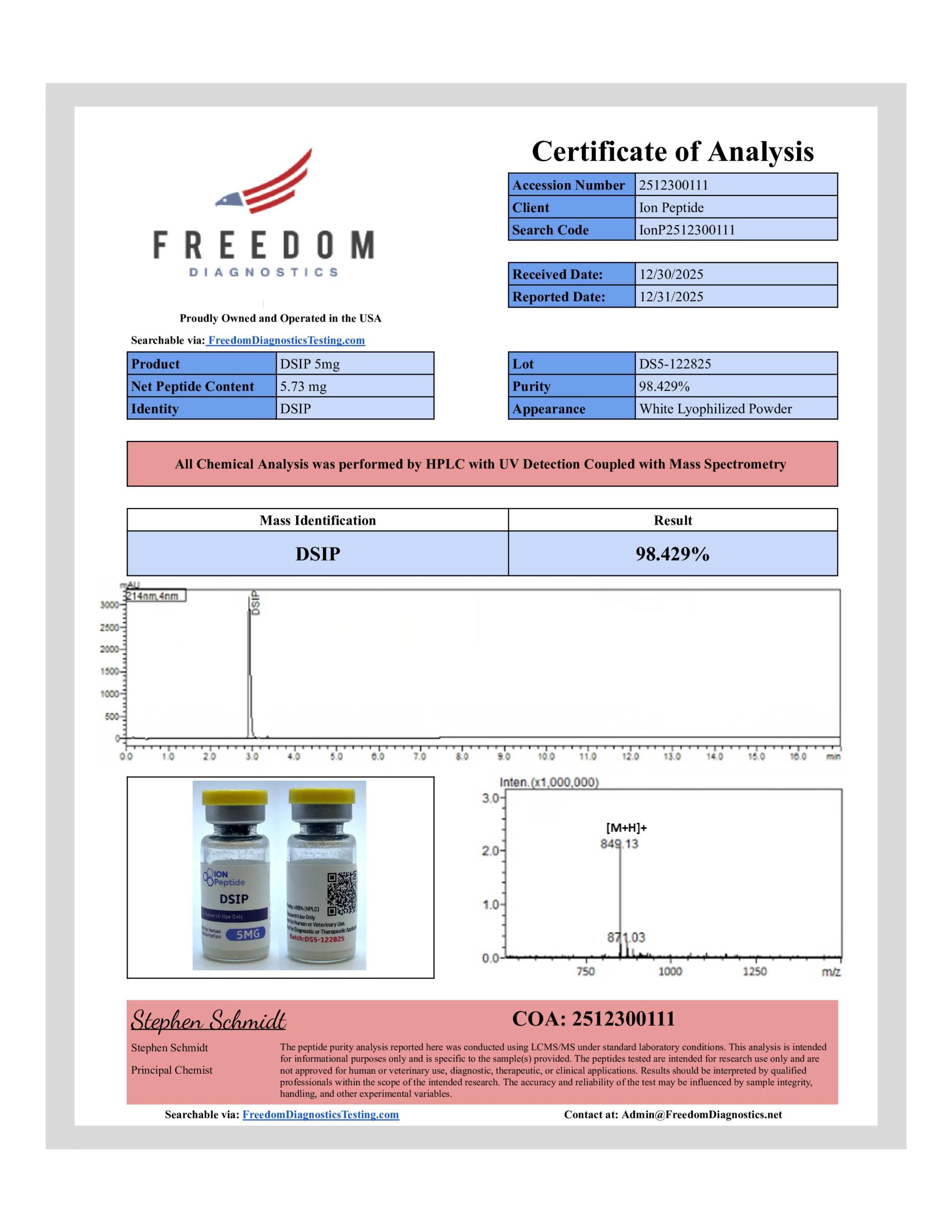
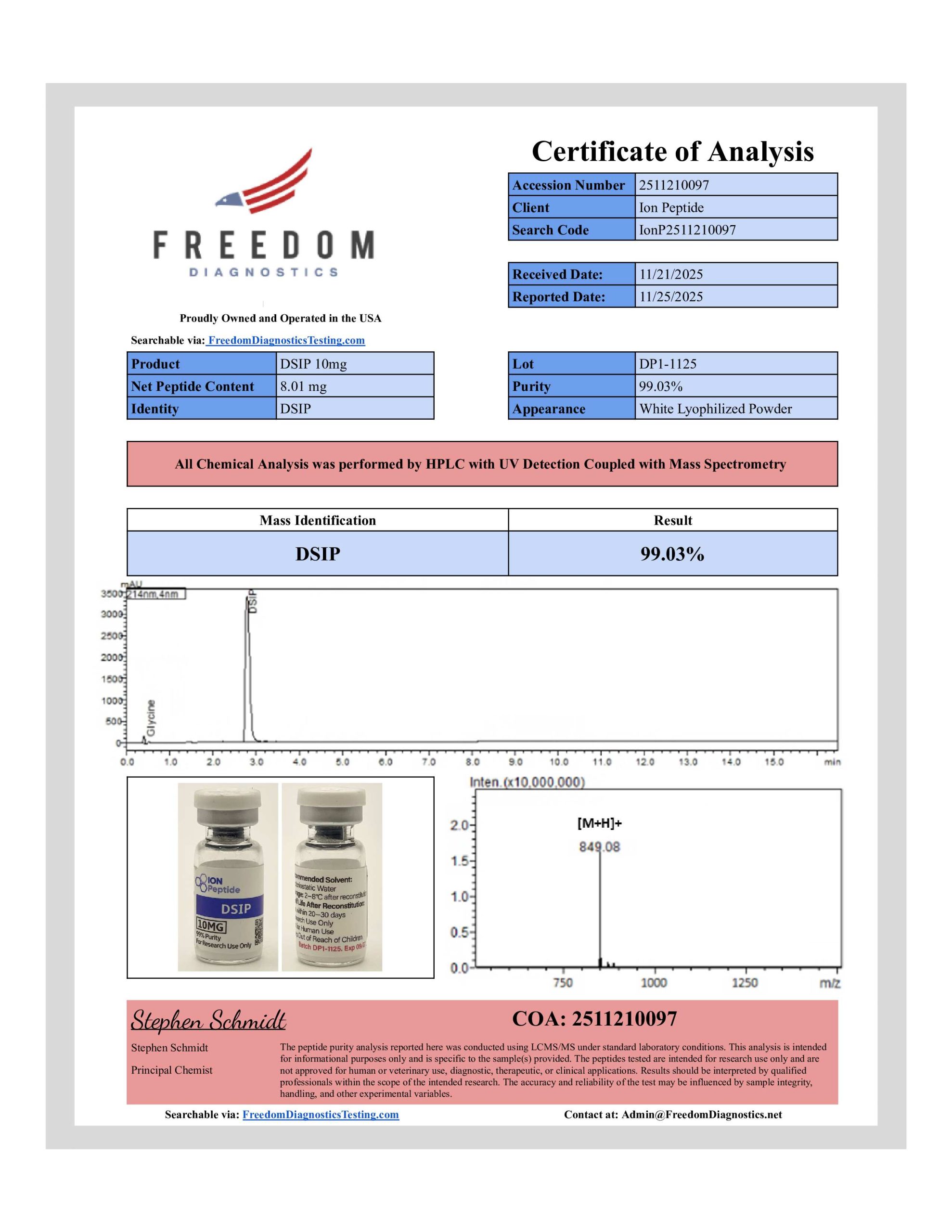
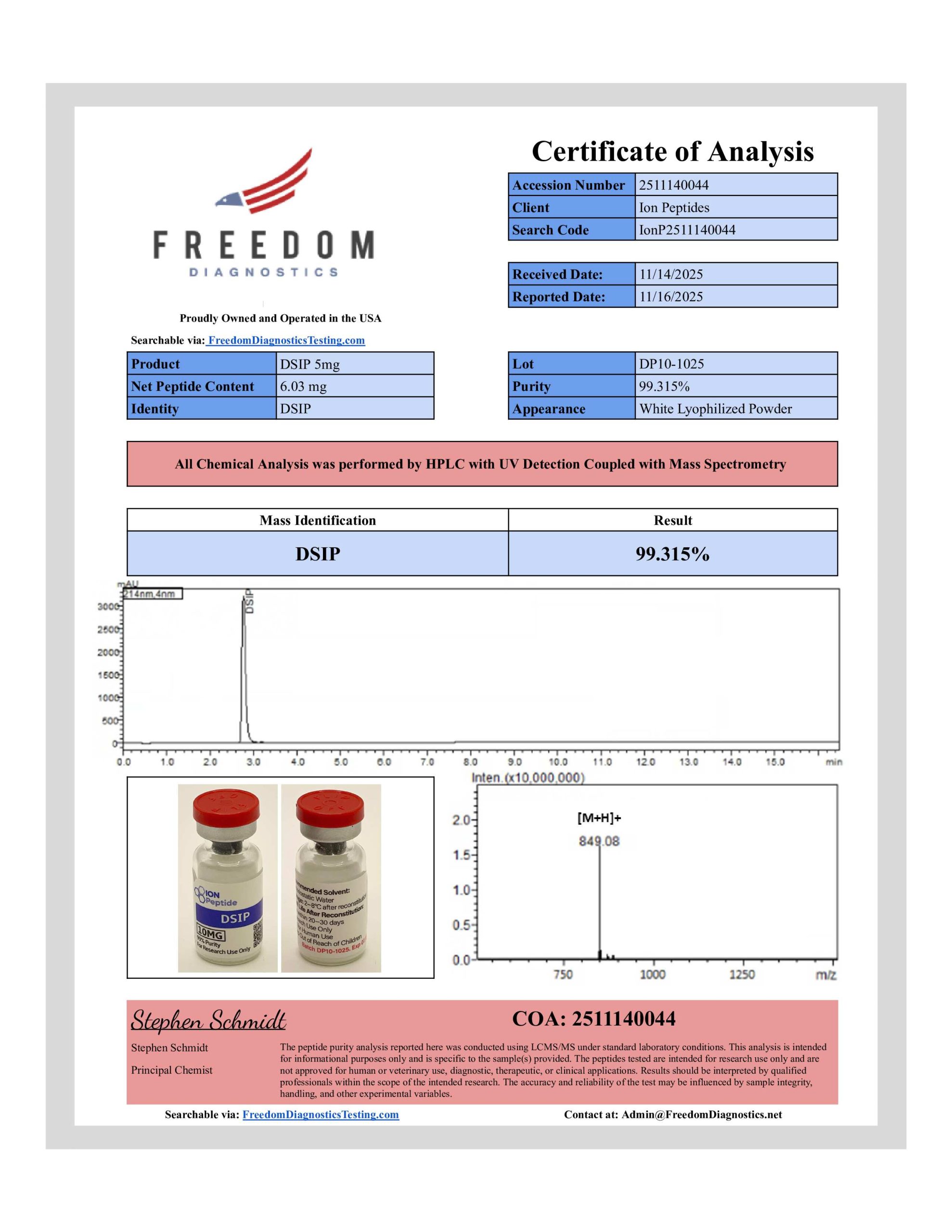
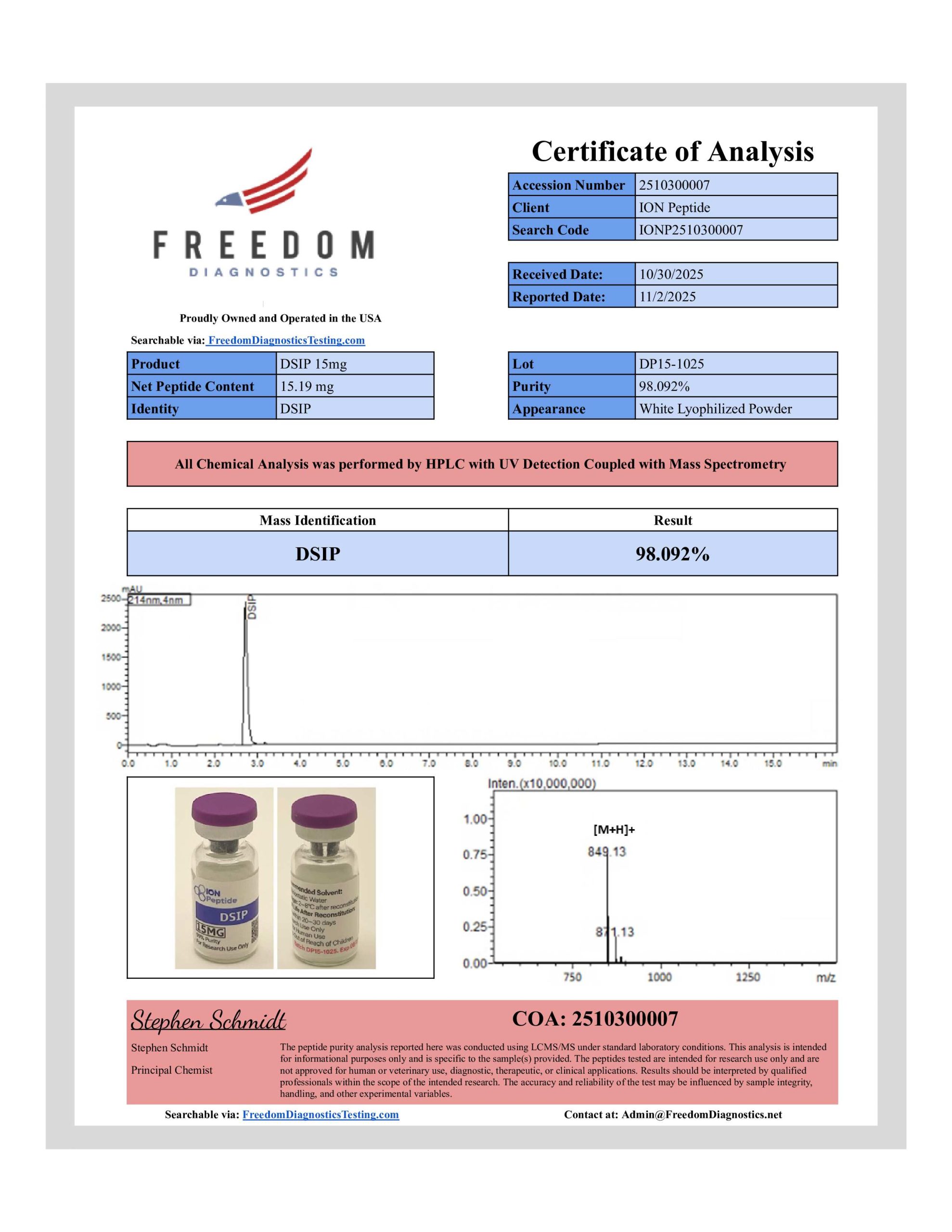
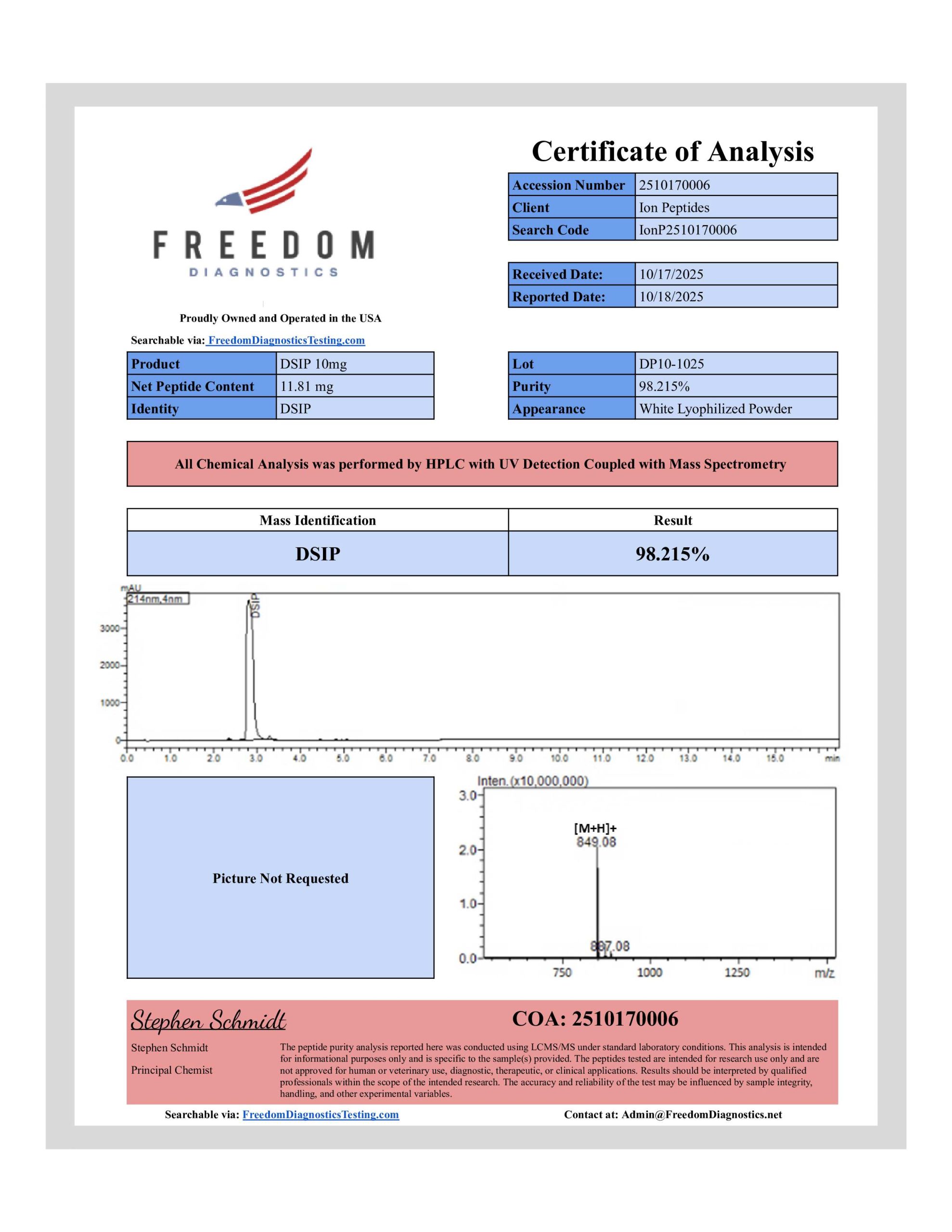
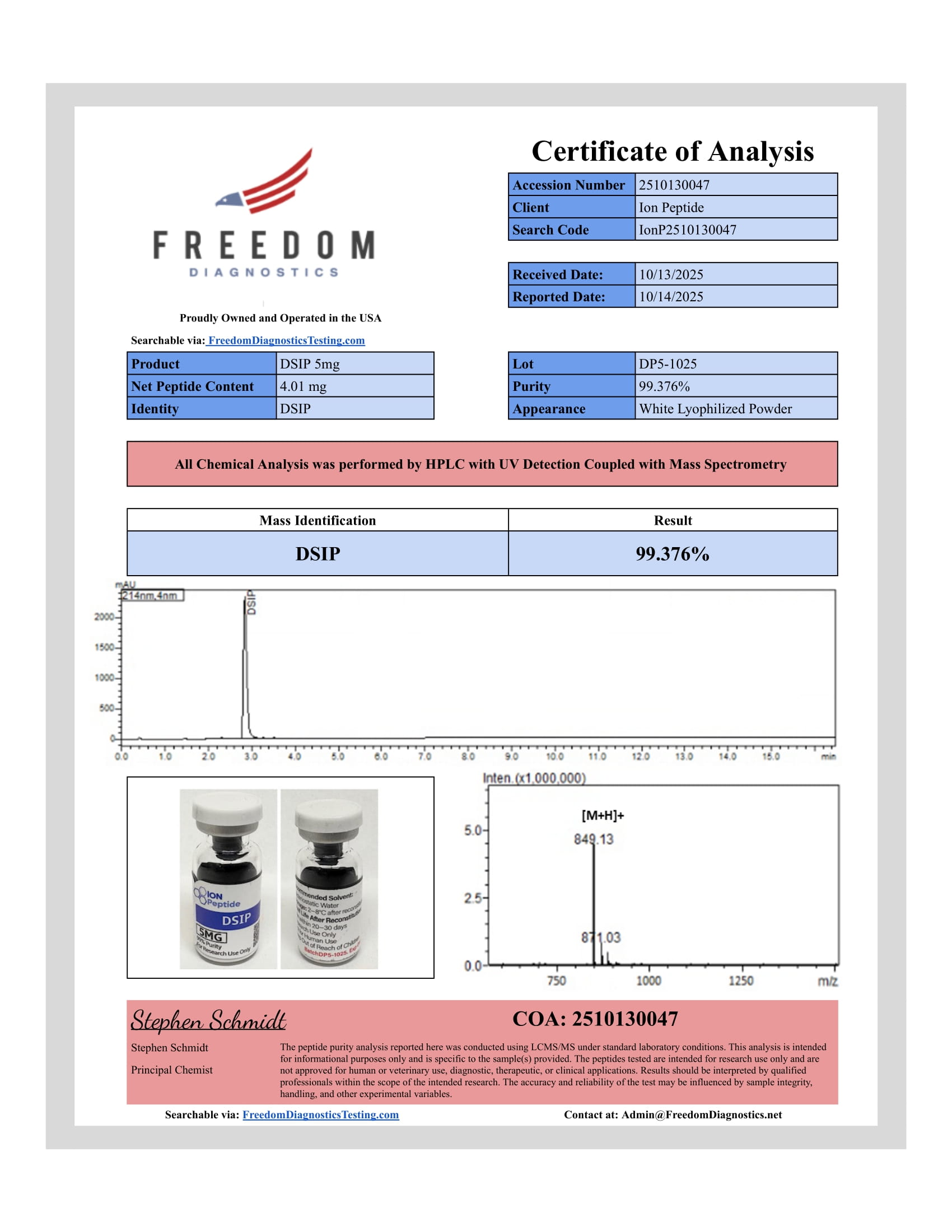
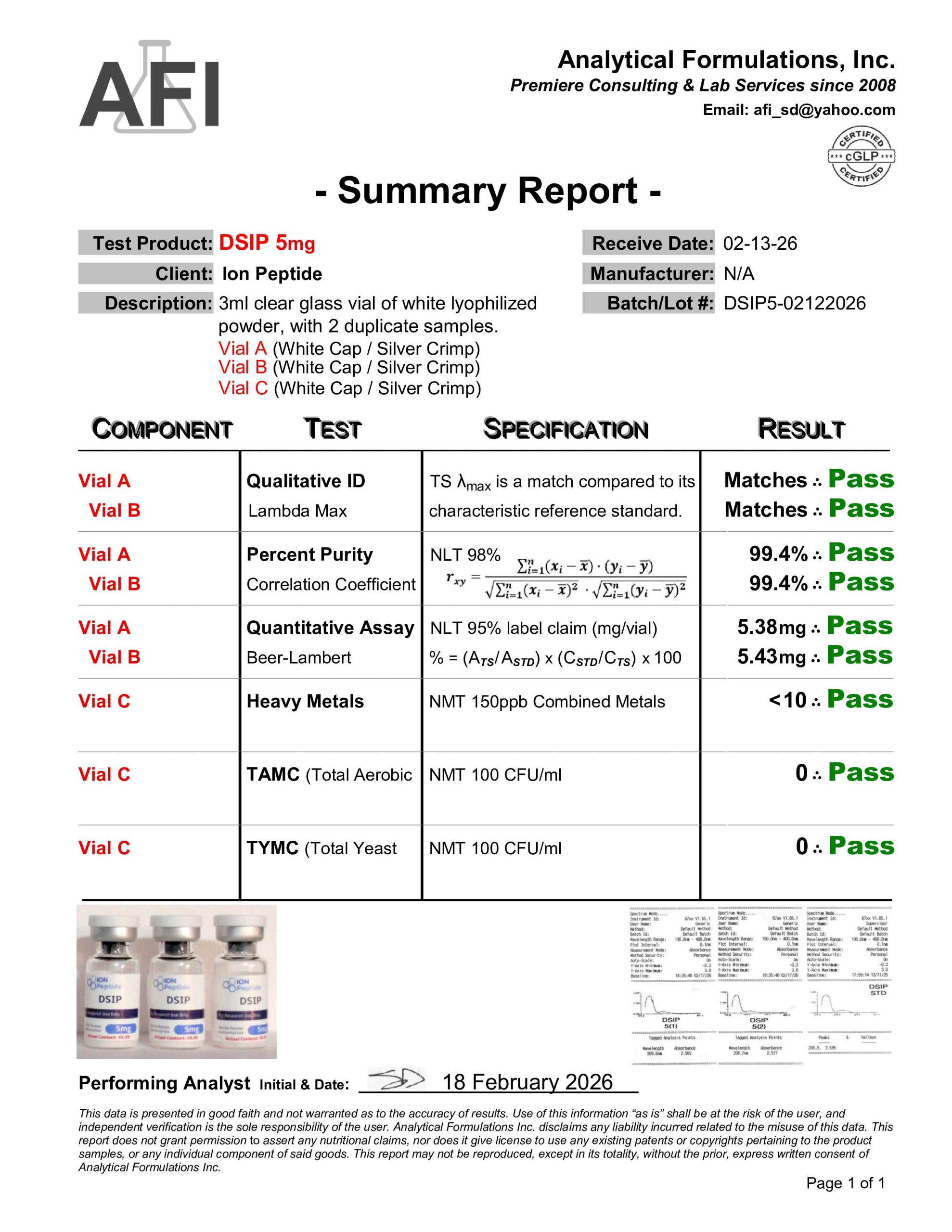
  • Batch Verified: Identity and purity (≥98%) confirmed for consistency.

  • Versatile Applications: Used in neurobiology, chronobiology, and psychoneuroendocrine research.


Important Note

For laboratory and scientific research only. Not for human consumption, veterinary use, or diagnostic purposes.
Details

Chemical Formula C₃₅H₄₈N₁₀O₁₅
Molecular Mass 849.8 Da
CAS Number 62568-57-4
Form Lyophilized peptide powder
Shelf Life 24 months (lyophilized)
Intended Use For preclinical and in vitro research only
Storage -20 °C (dry powder), -80 °C (after reconstitution)

Research

Research Applications

Sleep & Chronobiology Research

DSIP has been shown to promote slow-wave (delta) sleep and normalize circadian rhythms in animal studies [1].

Stress & Cortisol Regulation

Research indicates DSIP may modulate ACTH and cortisol secretion, helping explore hypothalamic-pituitary-adrenal (HPA) axis regulation [2].

Pain Modulation & Analgesia

Preclinical studies suggest DSIP may have analgesic properties, potentially through opioid system modulation [3].

Endocrine Research

DSIP has been associated with LH, GH, and prolactin release, making it useful for pituitary and reproductive research [4].


References
  1. Graf MV et al. (1981). Delta Sleep-Inducing Peptide and Slow-Wave Sleep in Rats. Neuroscience Letters.
    https://www.jstor.org/stable/31723

  2. Przewlocki R et al. (1983). Effects of DSIP on ACTH and Corticosterone Secretion. Neuroendocrinology.
    https://www.sciencedirect.com/science/article/pii/0149763484900228

  3. Sudakov KV et al. (1987). Analgesic Effects of DSIP in Experimental Pain Models. Brain Research.
    https://www.sciencedirect.com/science/article/pii/0014299988905109

  4. Kastin AJ et al. (1990). Neuroendocrine Functions of DSIP: GH and LH Modulation. Peptides.
    https://www.sciencedirect.com/science/article/pii/019697818790163X

Mechanism of Action

Mechanism of Action (How DSIP Works)
  • CNS Penetration: Crosses the blood-brain barrier, exerting central effects on sleep regulation [Graf 1981].

  • Hypothalamic Interaction: Modulates hypothalamic nuclei involved in sleep and hormone release [Przewlocki 1983].

  • Neuroendocrine Modulation: Influences pituitary release of GH, LH, and ACTH [Kastin 1990].

  • Opioid System Involvement: May interact with opioid peptides, explaining analgesic effects [Sudakov 1987].

  • Circadian Rhythm Regulation: Normalizes sleep-wake cycles in animal models [Graf 1981].


References
  1. Graf MV et al. (1981). Delta Sleep-Inducing Peptide and Slow-Wave Sleep in Rats. Neuroscience Letters.
    https://www.jstor.org/stable/31723

  2. Przewlocki R et al. (1983). Effects of DSIP on ACTH and Corticosterone Secretion. Neuroendocrinology.
    https://www.sciencedirect.com/science/article/pii/0149763484900228

  3. Sudakov KV et al. (1987). Analgesic Effects of DSIP in Experimental Pain Models. Brain Research.
    https://www.sciencedirect.com/science/article/pii/0014299988905109

  4. Kastin AJ et al. (1990). Neuroendocrine Functions of DSIP: GH and LH Modulation. Peptides.
    https://www.sciencedirect.com/science/article/pii/019697818790163X

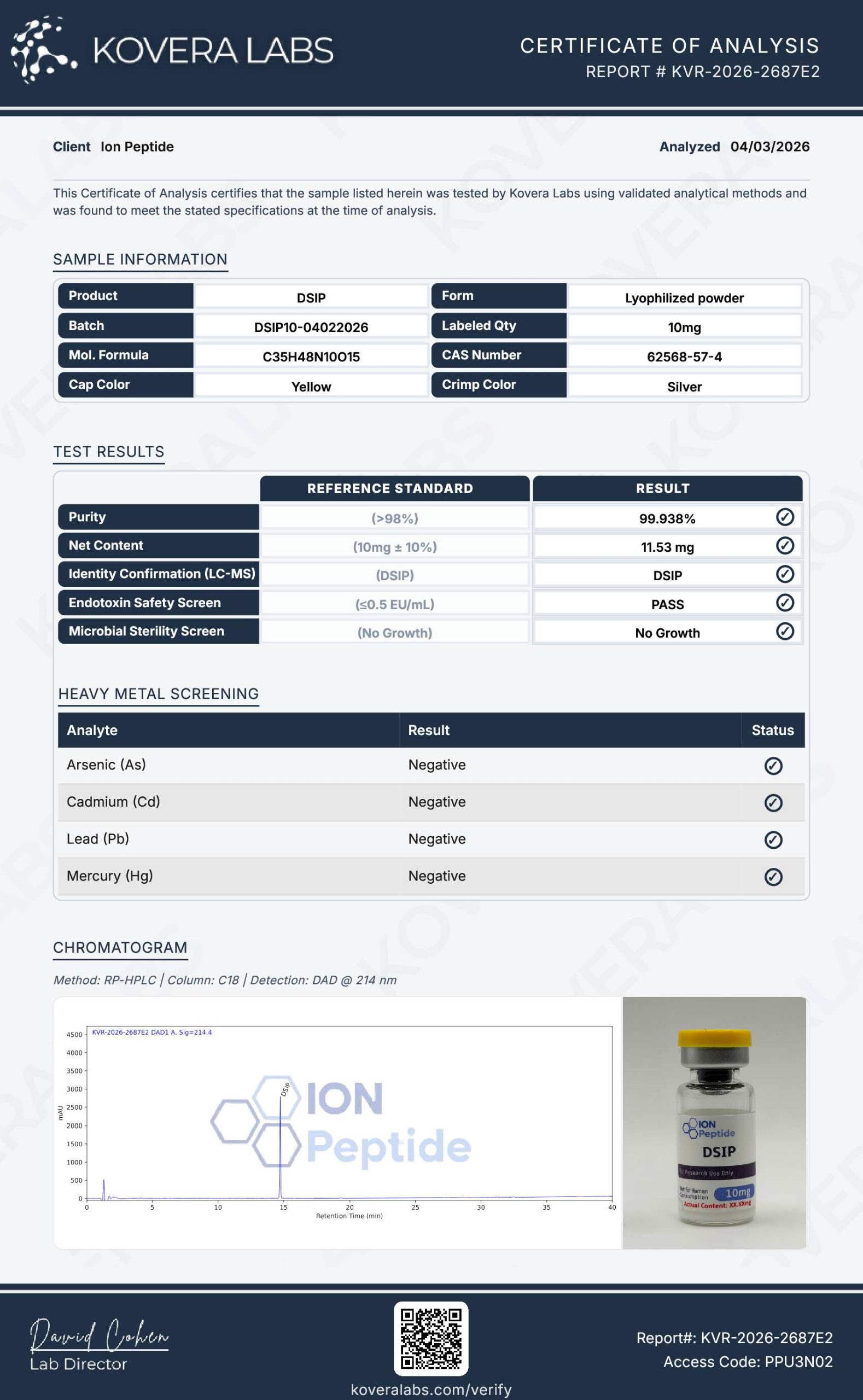
Certificate of Authenticity