5-Amino-1MQ

Price range: $35.00 through $115.00

  • For research purposes only. Not for human or animal use & not FDA-approved. By purchasing, you confirm you are 21 or older and qualified researcher.
Quantity Price
4 - 5 $31.50
6 - 9 $29.40
10 + $26.25
Money Back Guarantee Guaranteed Quality Customer Support Fast Shipping
SKU: N/A Categories: , ,

Description

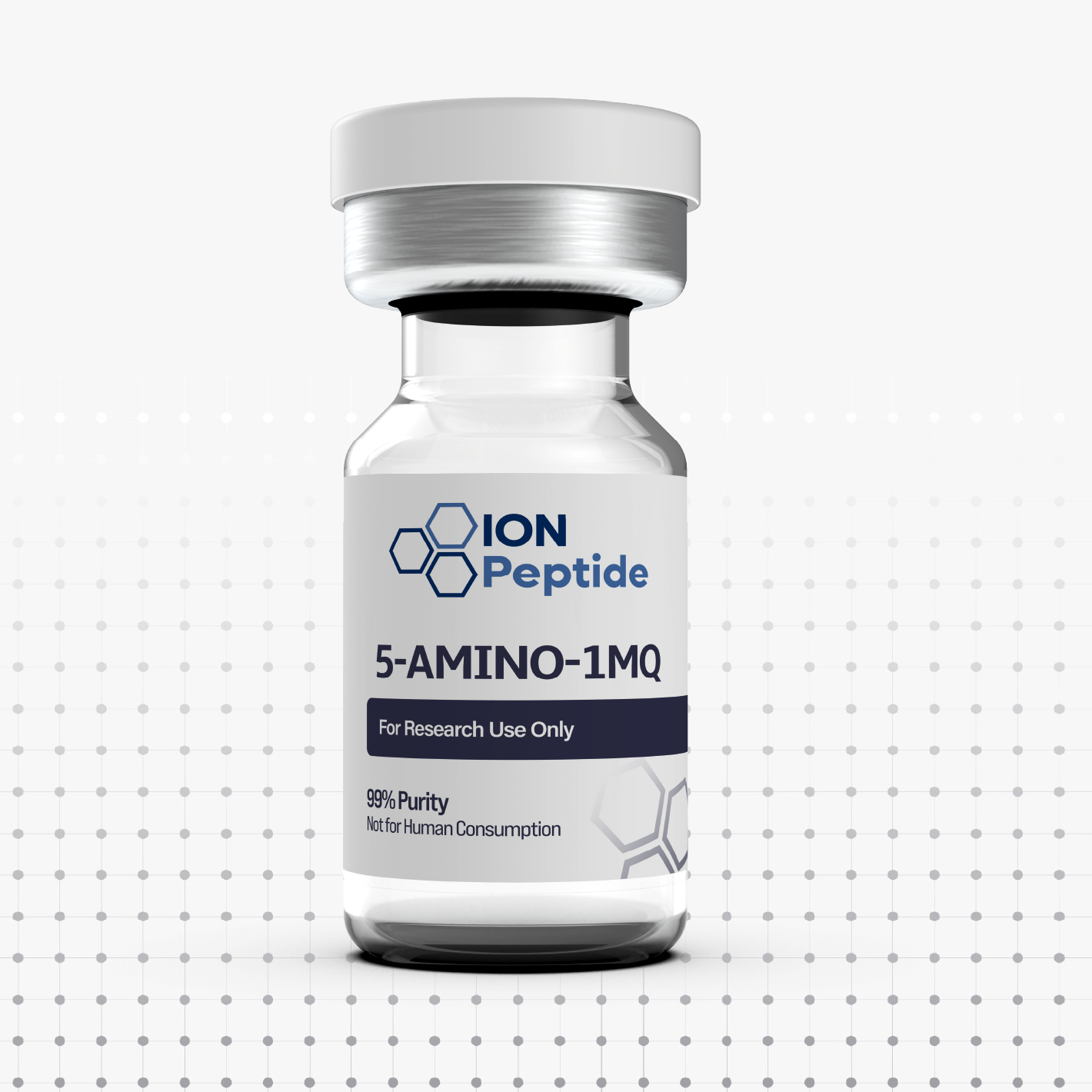
5-Amino-1MQ

Research-Grade NNMT Inhibitor
Tagline: Metabolism & Fat Loss Research


Product Description

5-Amino-1MQ is a small-molecule nicotinamide N-methyltransferase (NNMT) inhibitor used in research to study metabolic regulation, energy expenditure, and fat loss. NNMT is a cytosolic enzyme involved in the methylation of nicotinamide, which affects cellular NAD⁺ levels and methylation potential.

Researchers use 5-Amino-1MQ in preclinical models to investigate adiposity reduction, insulin sensitivity, and energy metabolism. By inhibiting NNMT, this compound has been shown to increase intracellular NAD⁺ and promote fat mobilization.

For Laboratory and Scientific Research Use Only. Not for Human Consumption.


Why Researchers Choose 5-Amino-1MQ
  • Selective NNMT Inhibition: Targets NNMT activity without broadly affecting other methyltransferases.

  • Metabolic Research Relevance: Used in studies of obesity, type 2 diabetes, and energy homeostasis.

  • Promotes Fat Mobilization: Demonstrated to | reduce fat mass in preclinical studies.

  • Small Molecule: Easy handling, high bioavailability in animal models.

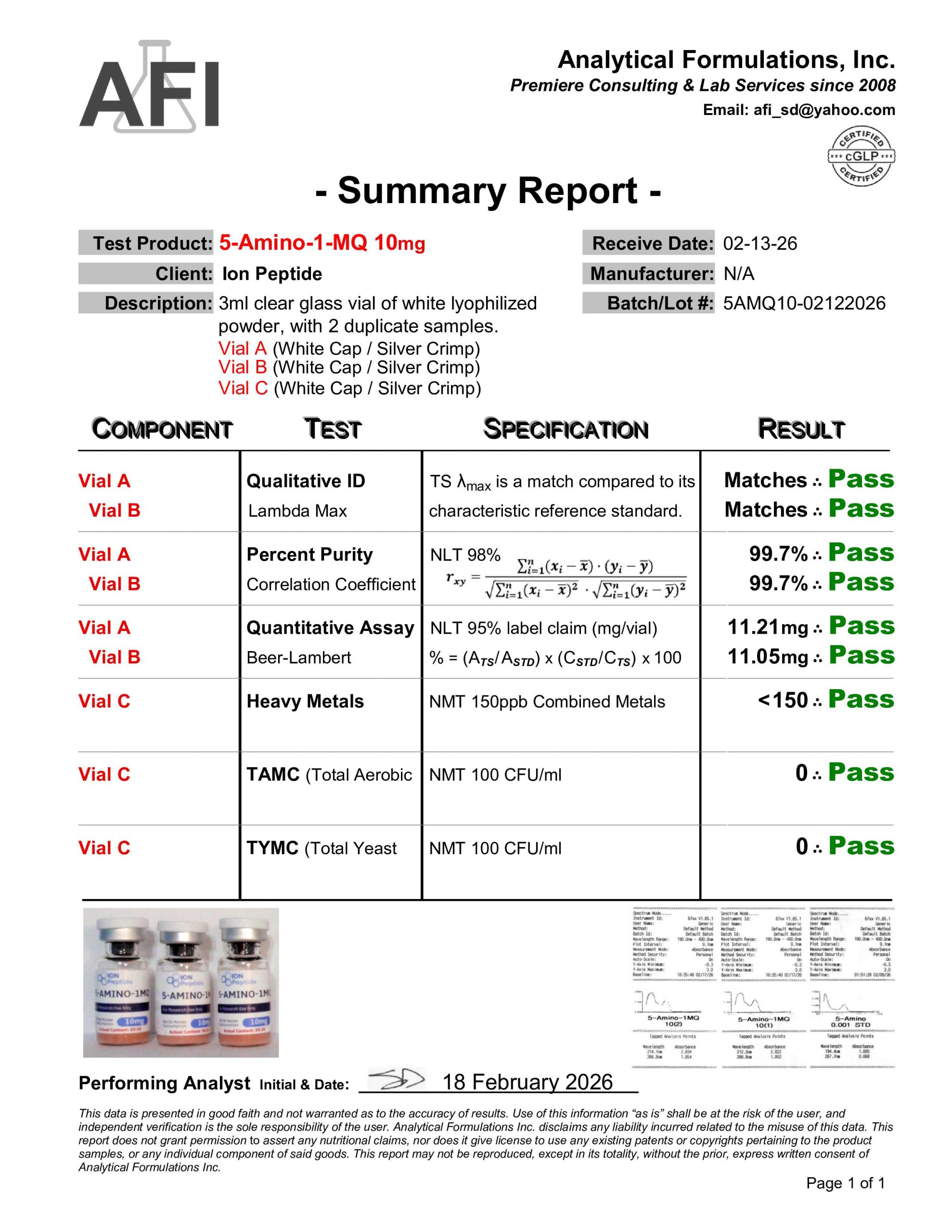
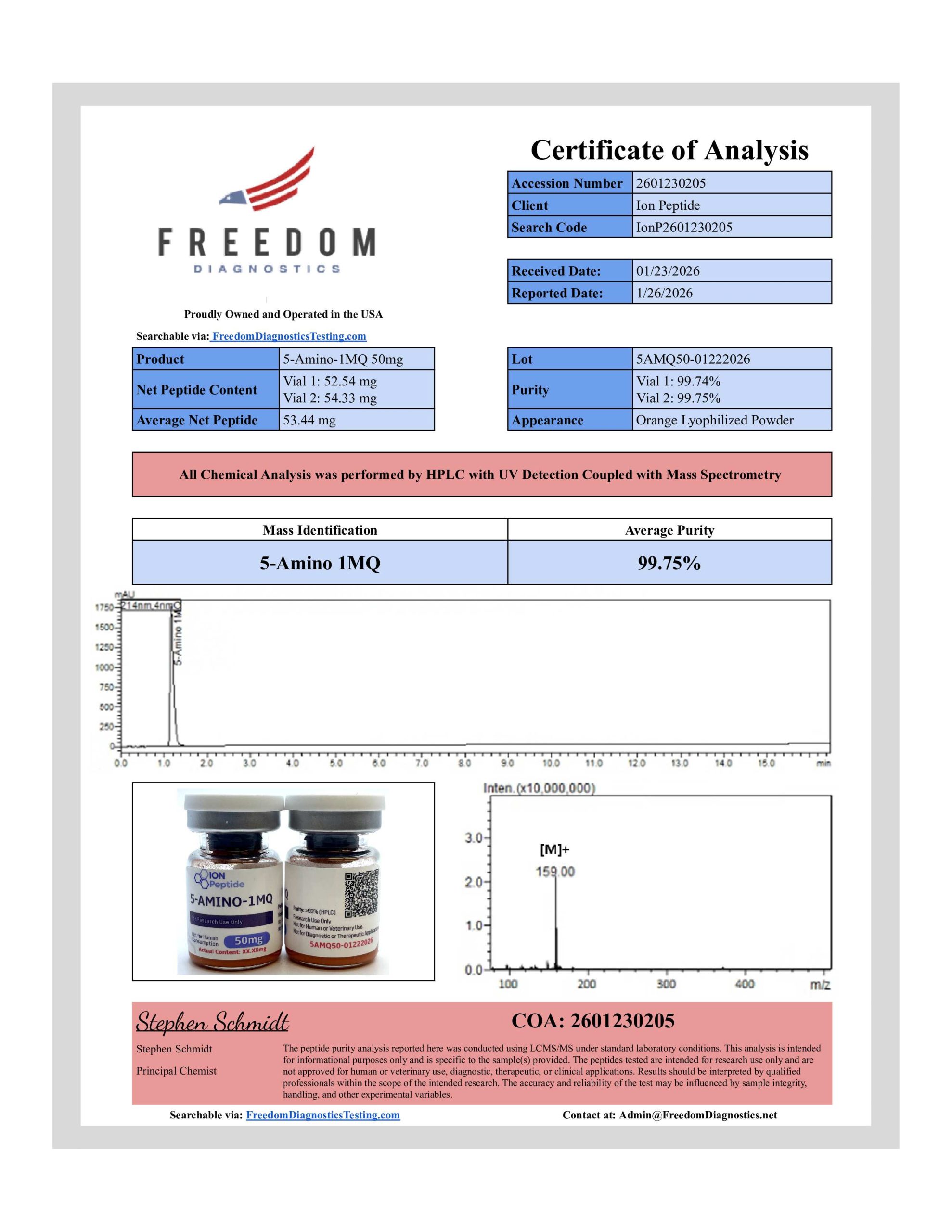
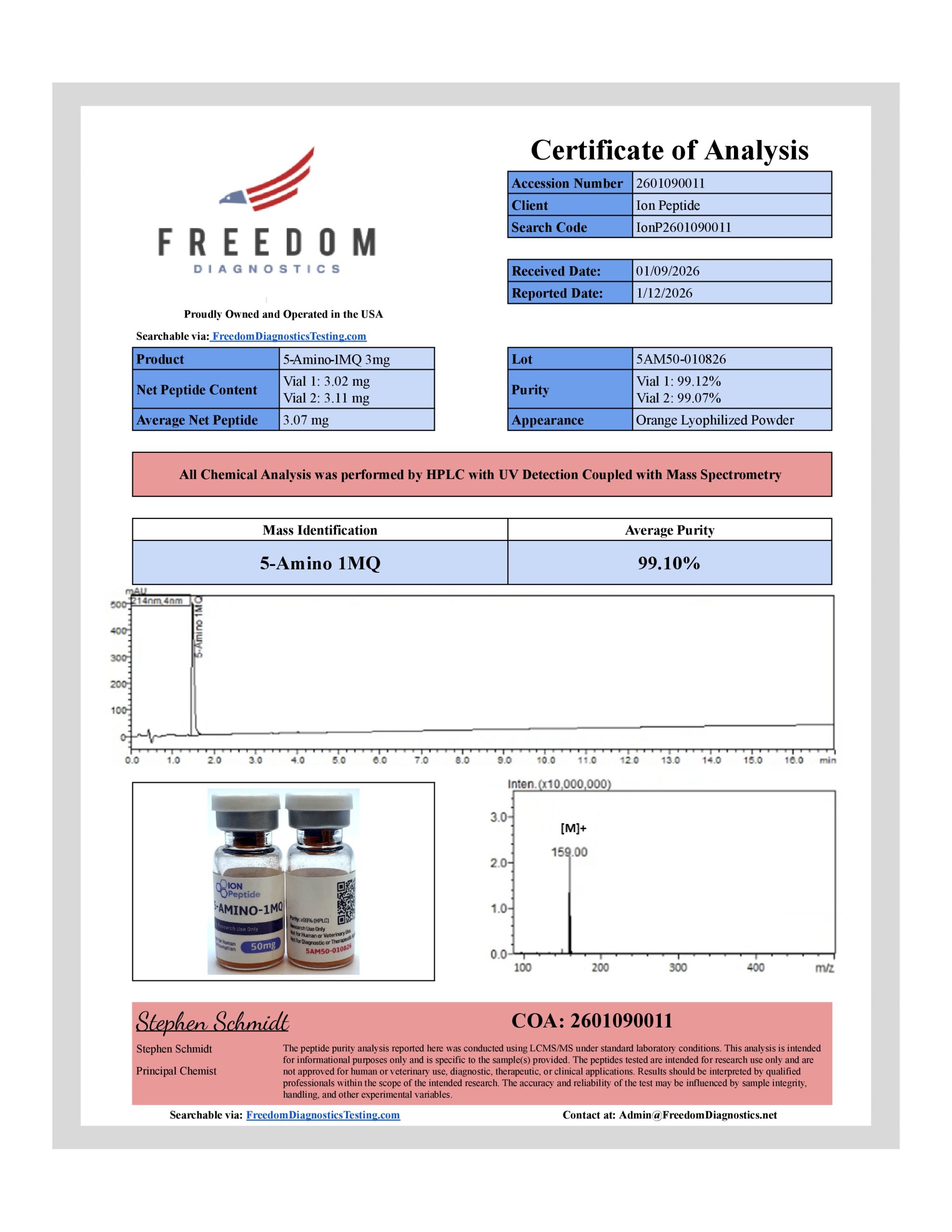
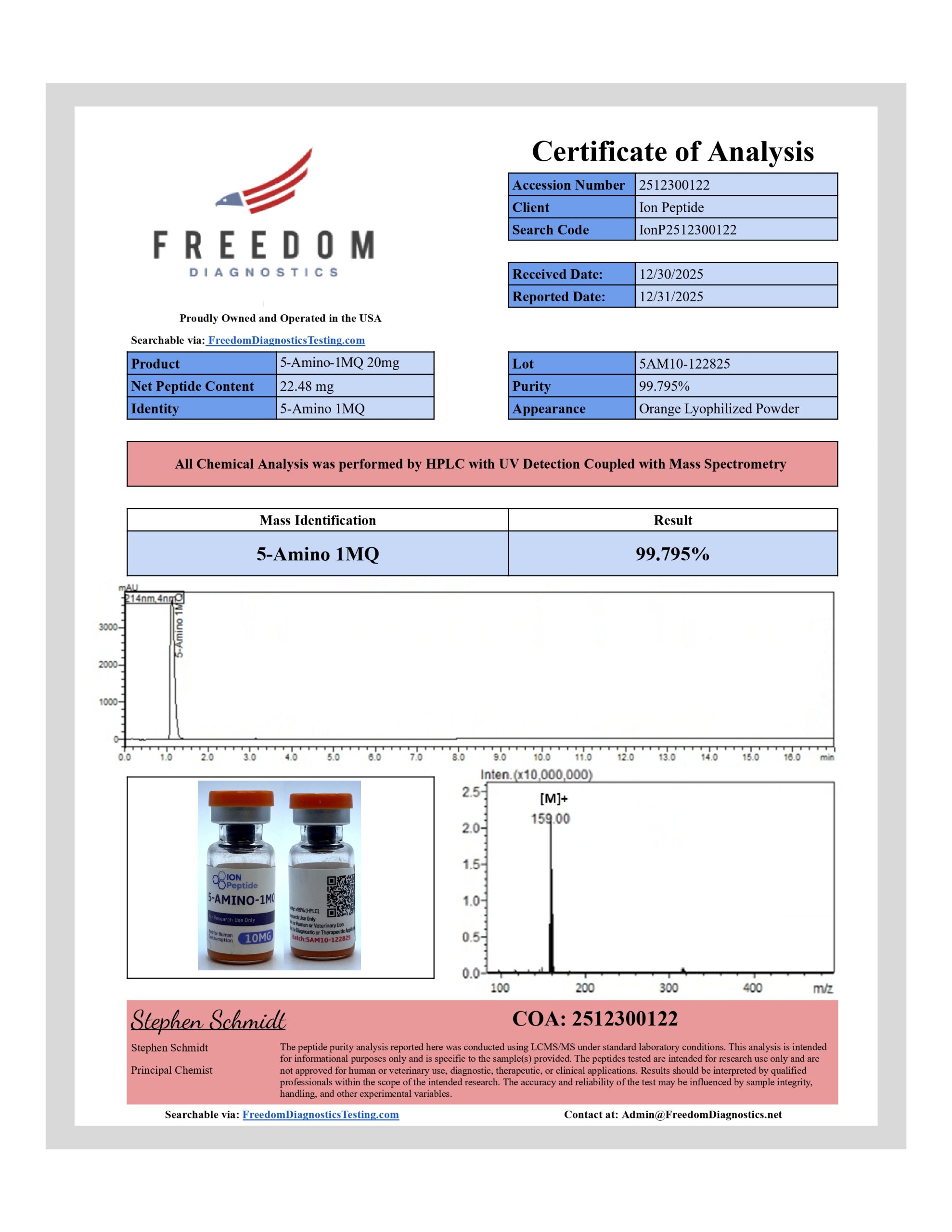
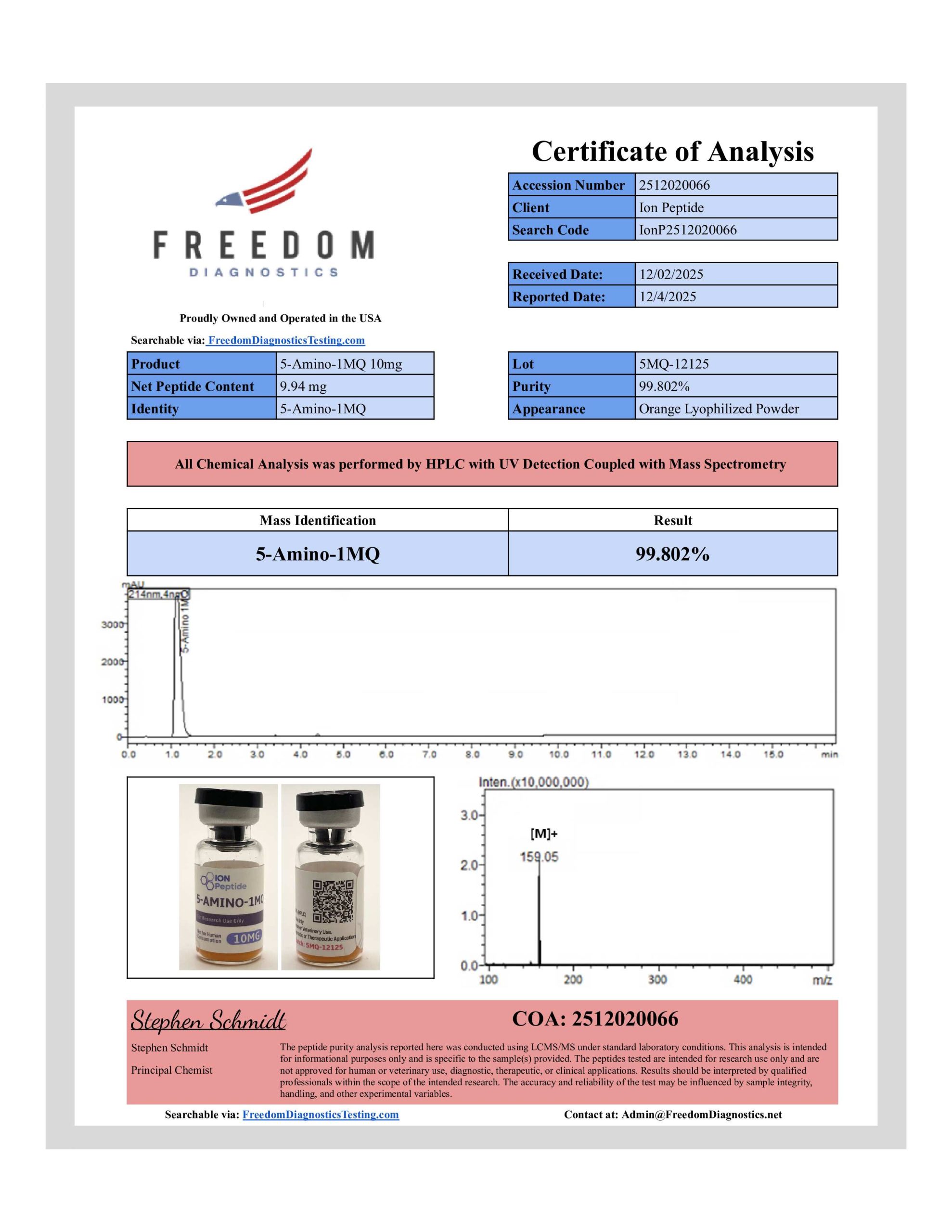
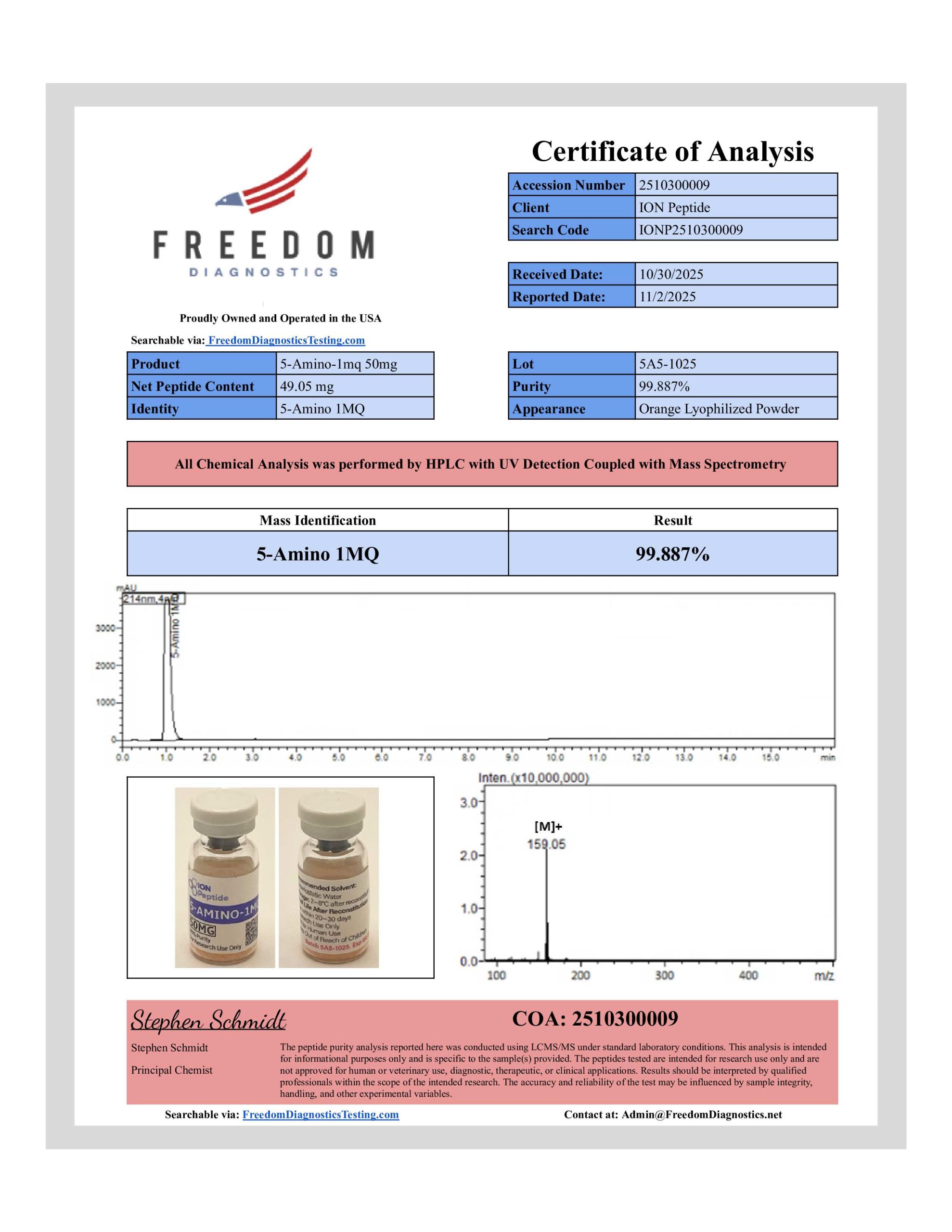
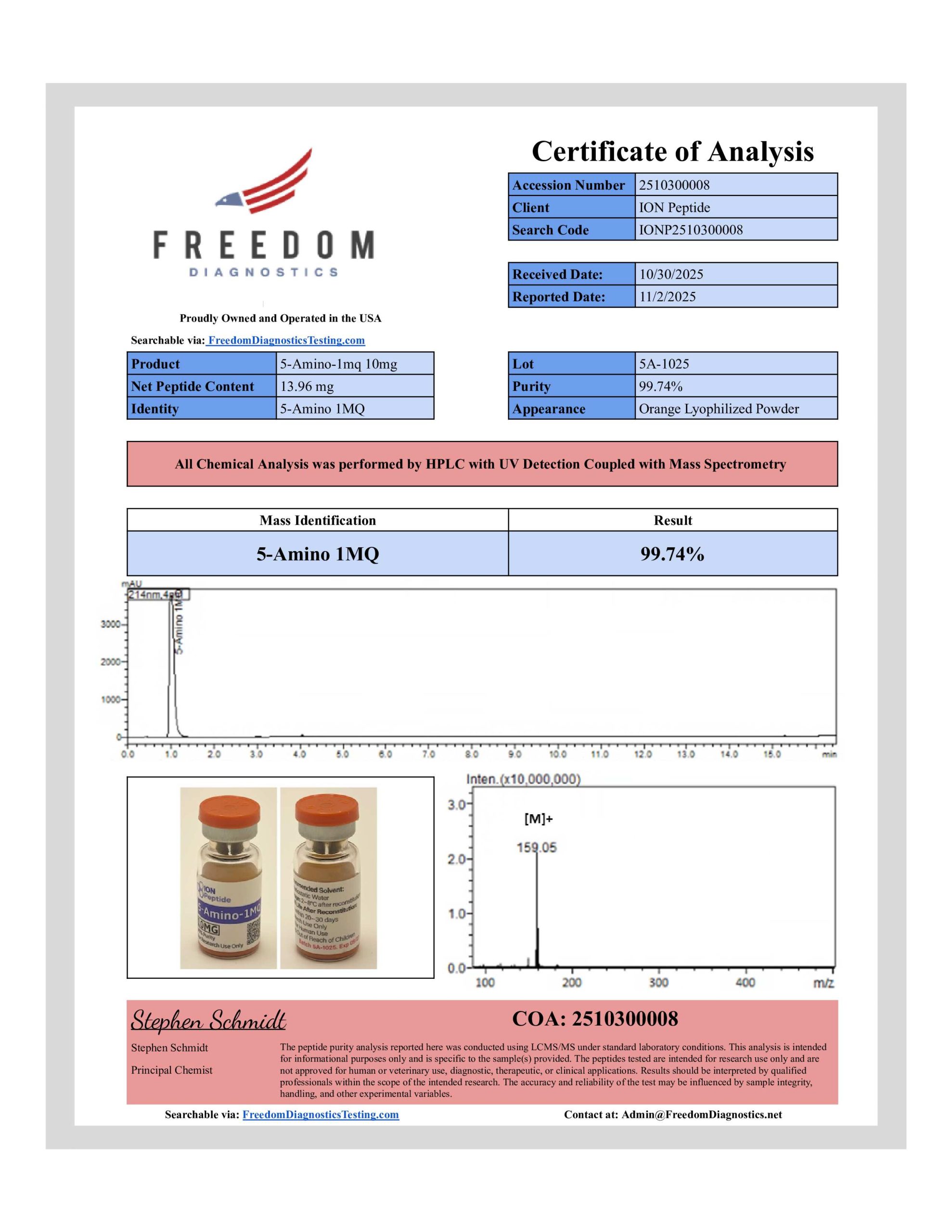
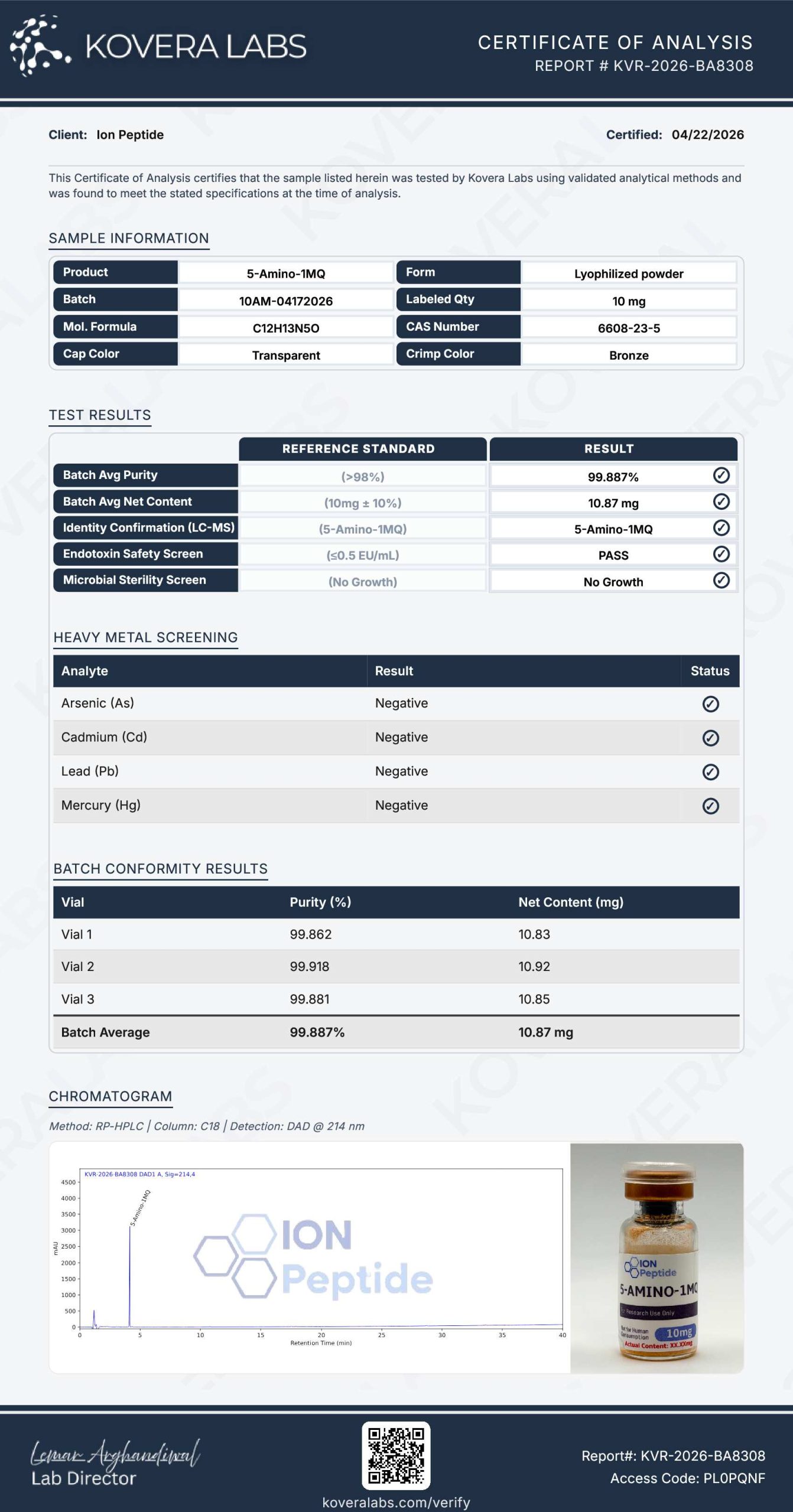
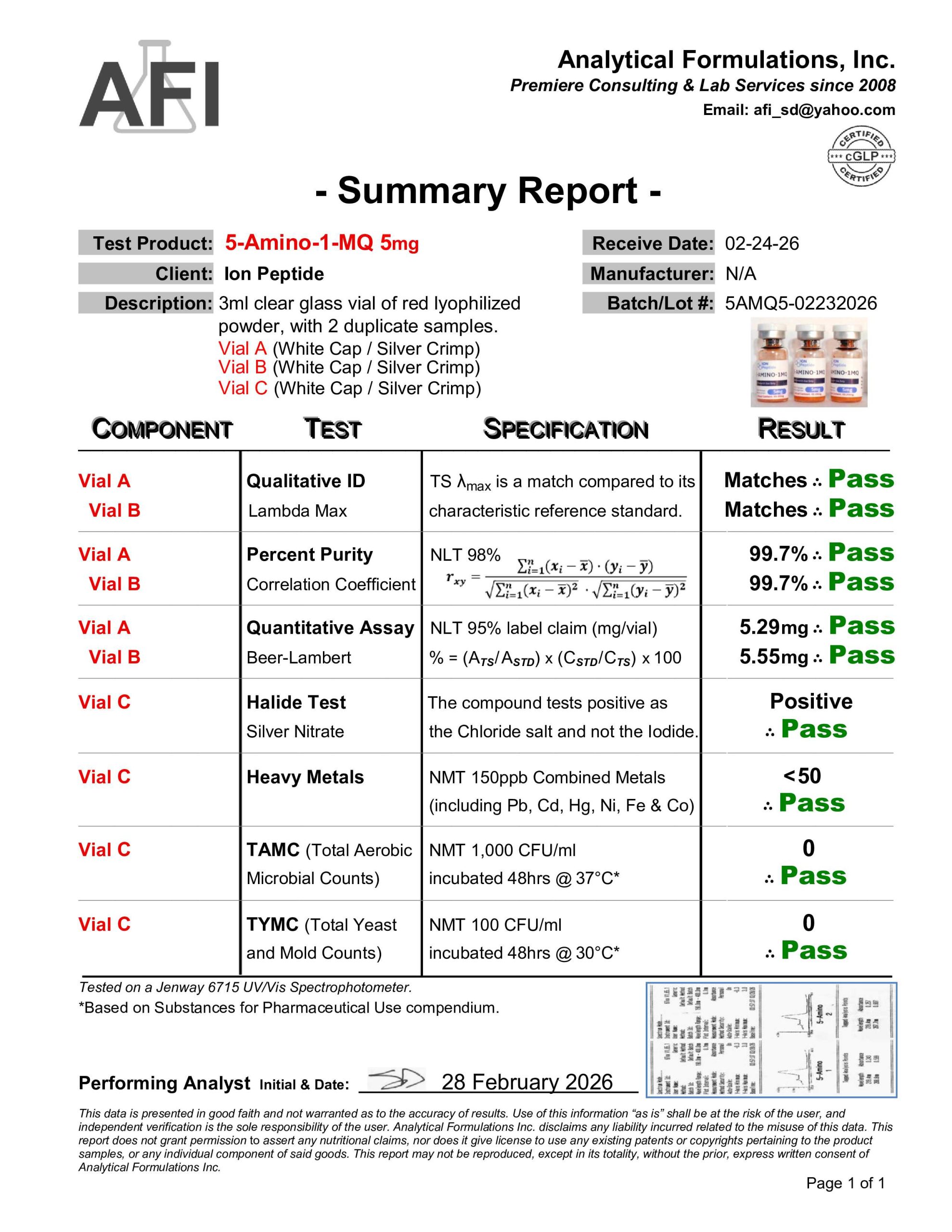
  • Batch Verified: Identity and purity (≥98%) confirmed for every lot.


Important Note

For laboratory and scientific research only. Not for human consumption, veterinary use, or diagnostic purposes.
Details

Chemical Formula C₅H₇N₃
Molecular Mass 109.13 g/mol
CAS Number 1029682-86-9
Form Crystalline powder
Shelf Life 24 months
Intended Use For preclinical and in vitro research only
Storage -20 °C, desiccated and protected from light

Research

Research Applications

Obesity & Fat Loss Studies

Inhibition of NNMT by 5-Amino-1MQ increases intracellular NAD⁺, enhances energy expenditure, and reduces fat mass in obese mouse models [1].

Insulin Sensitivity & Glucose Control

Research indicates improved glucose tolerance and insulin sensitivity after NNMT inhibition [2].

Energy Metabolism & Mitochondrial Function

Studies suggest increased mitochondrial biogenesis and metabolic rate in response to NNMT inhibition [3].

Cancer Metabolism Research

NNMT is overexpressed in several cancers; 5-Amino-1MQ is used to explore NNMT’s role in tumor metabolism and epigenetic regulation [4].


References
  1. Kraus D et al. (2014). NNMT Knockdown Protects Against Diet-Induced Obesity. Nature Medicine.
    https://www.nature.com/articles/nature13198.pdf

  2. Kannt A et al. (2015). Pharmacological Inhibition of NNMT Improves Glucose Control. Molecular Metabolism.
    https://www.nature.com/articles/s41598-018-22081-7.pdf

  3. Hong S et al. (2020). NNMT Inhibition Increases Energy Expenditure and Mitochondrial Function. Cell Reports.
    https://www.nature.com/articles/nm.3882.pdf

  4. Palanichamy K et al. (2017). NNMT Promotes Cancer Cell Survival and Epigenetic Remodeling. Nature Communications.
    https://aacrjournals.org/clincancerres/article/23/9/2325/80375/NNMT-Silencing-Activates-Tumor-Suppressor-PP2A

Mechanism of Action

Mechanism of Action (How 5-Amino-1MQ Works)
  • NNMT Inhibition: Blocks NNMT-mediated methylation of nicotinamide, preserving intracellular NAM levels [Kraus 2014].

  • NAD⁺ Pool Restoration: Increases availability of NAD⁺ for sirtuin and PARP activity, improving metabolic efficiency [Kannt 2015].

  • Enhanced Lipolysis: Stimulates fat mobilization and β-oxidation through increased energy turnover [Hong 2020].

  • Epigenetic Modulation: Alters methyl donor usage, affecting gene expression related to metabolism and cell growth [Palanichamy 2017].

  • Metabolic Reprogramming: Promotes a lean phenotype and improved insulin sensitivity in preclinical models [Kannt 2015].


References
  1. Kraus D et al. (2014). NNMT Knockdown Protects Against Diet-Induced Obesity. Nature Medicine.
    https://www.nature.com/articles/nature13198.pdf

  2. Kannt A et al. (2015). Pharmacological Inhibition of NNMT Improves Glucose Control. Molecular Metabolism.
    https://www.nature.com/articles/s41598-018-22081-7.pdf

  3. Hong S et al. (2020). NNMT Inhibition Increases Energy Expenditure and Mitochondrial Function. Cell Reports.
    https://www.nature.com/articles/nm.3882.pdf

  4. Palanichamy K et al. (2017). NNMT Promotes Cancer Cell Survival and Epigenetic Remodeling. Nature Communications.
    https://aacrjournals.org/clincancerres/article/23/9/2325/80375/NNMT-Silencing-Activates-Tumor-Suppressor-PP2A

Certificate of Authenticity