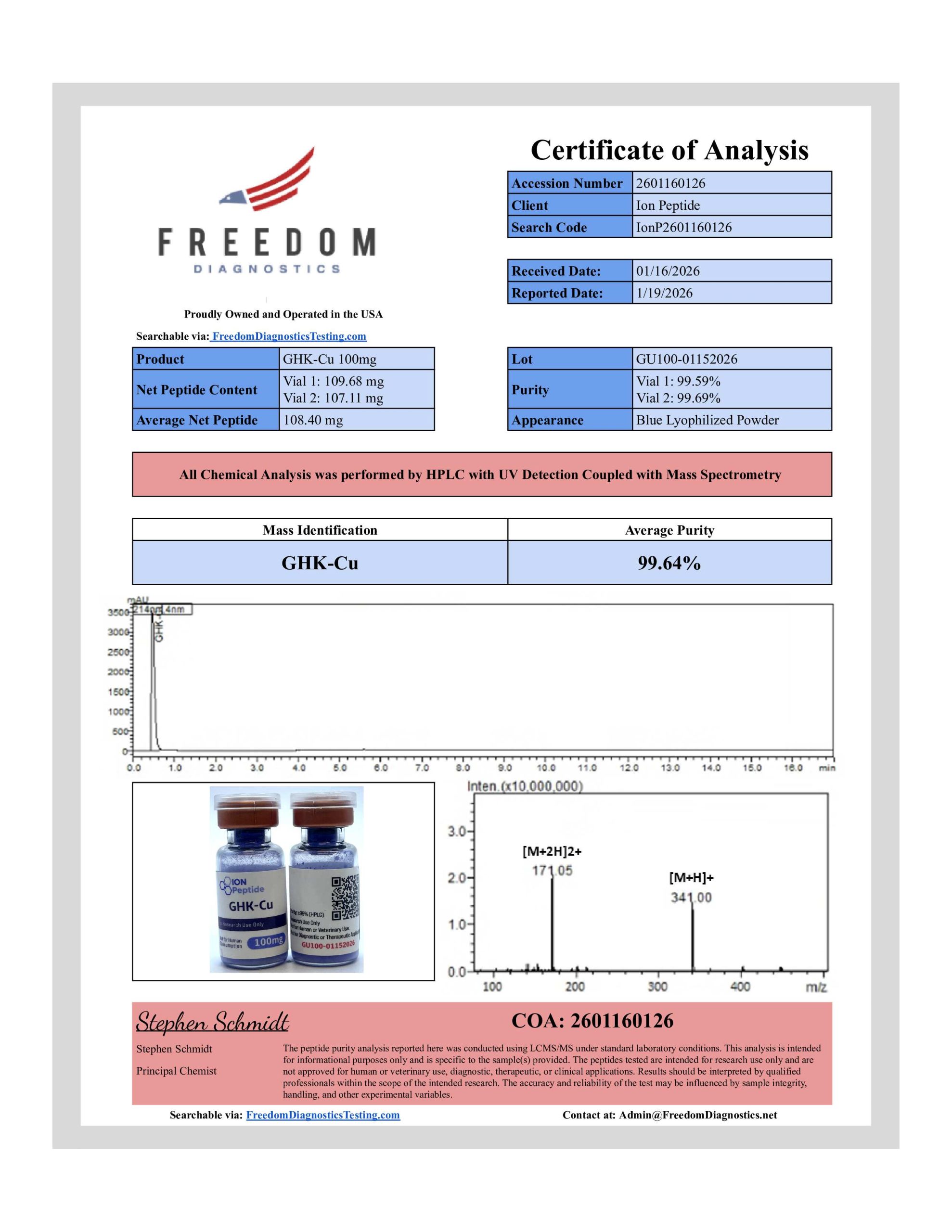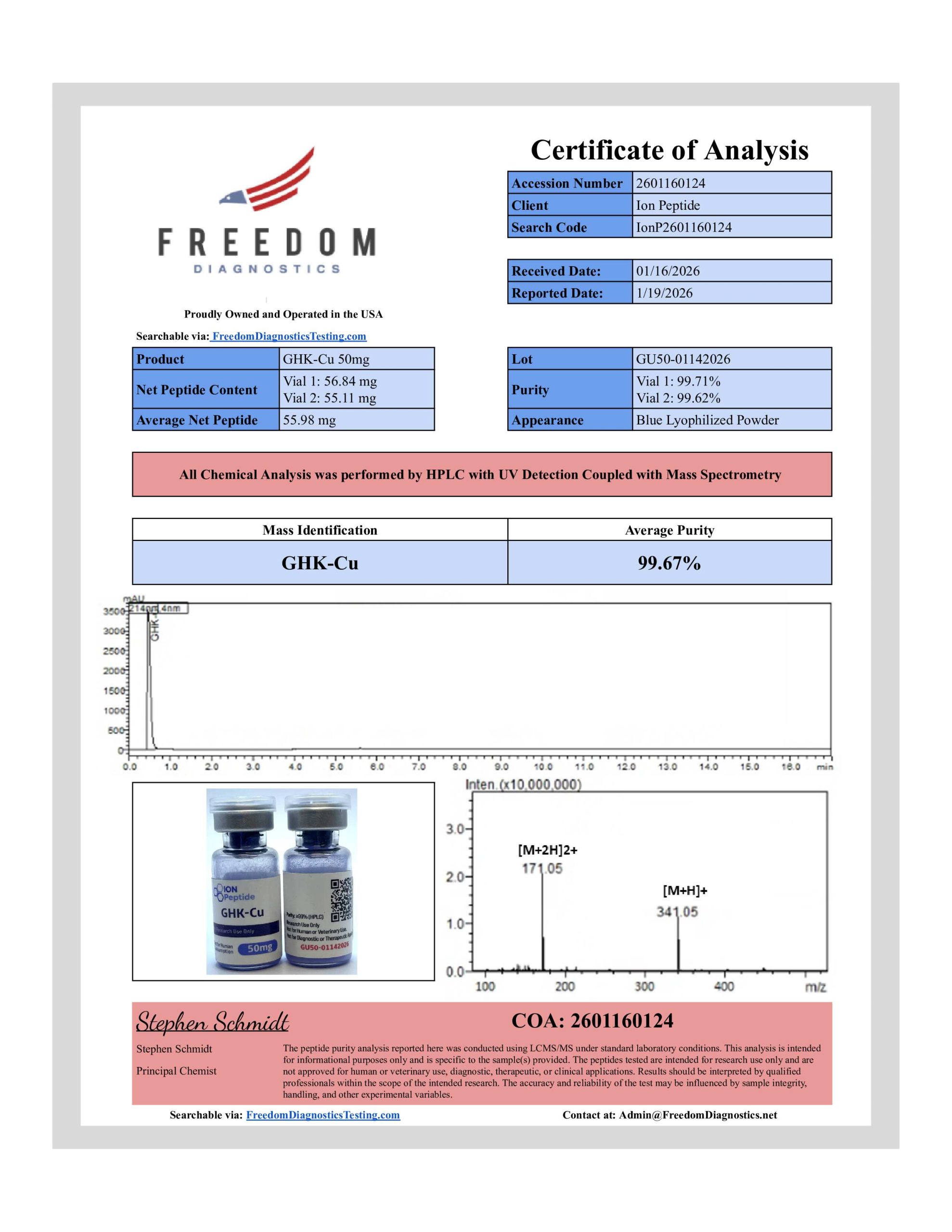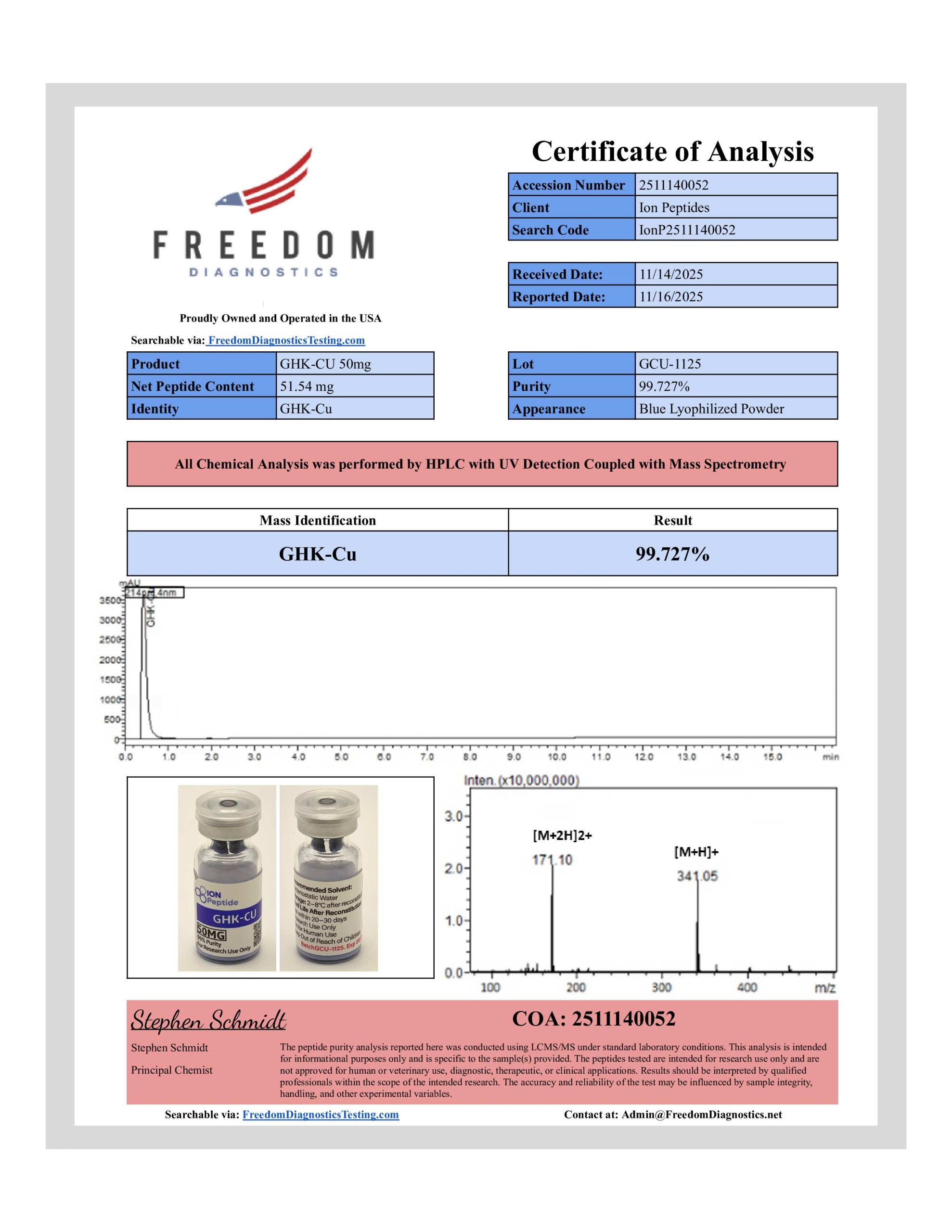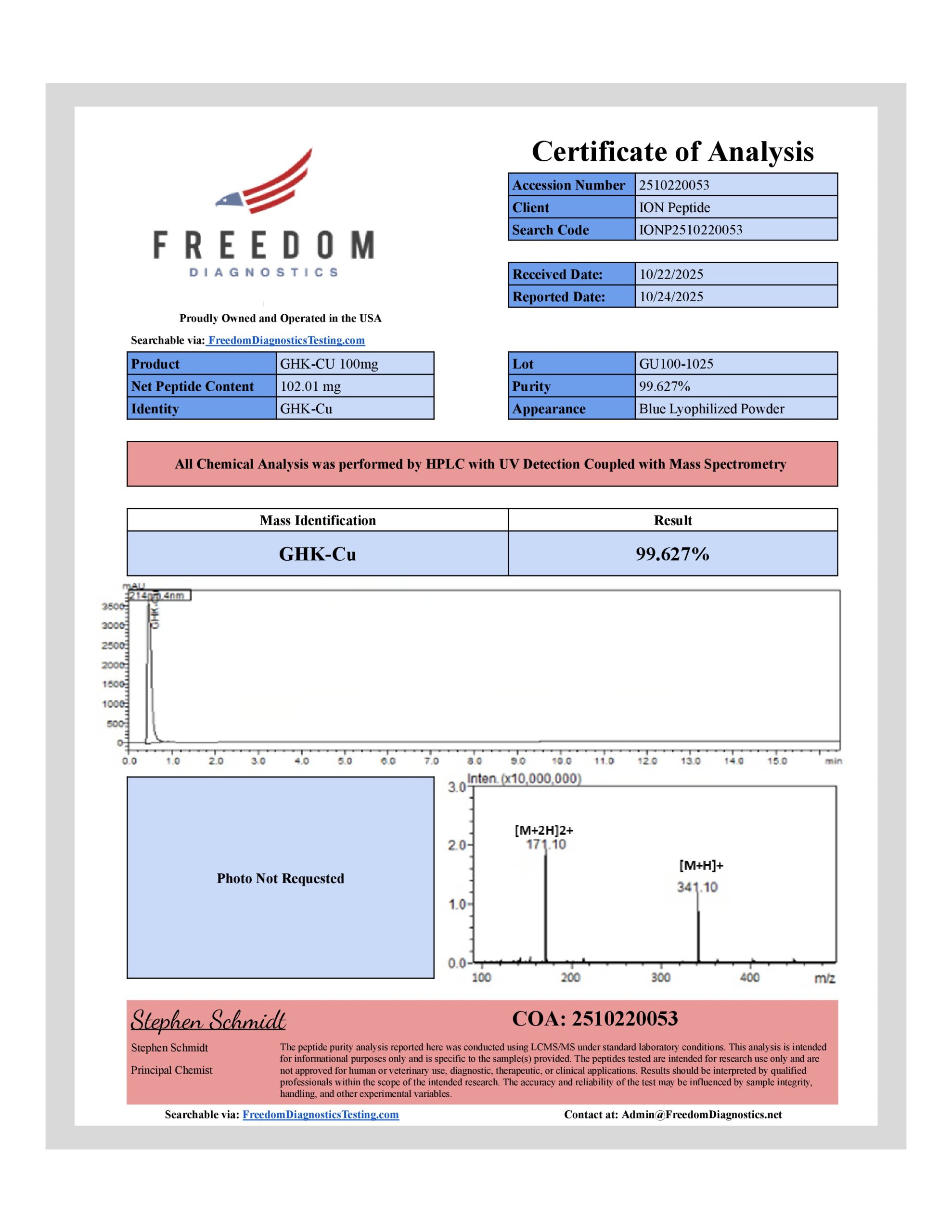
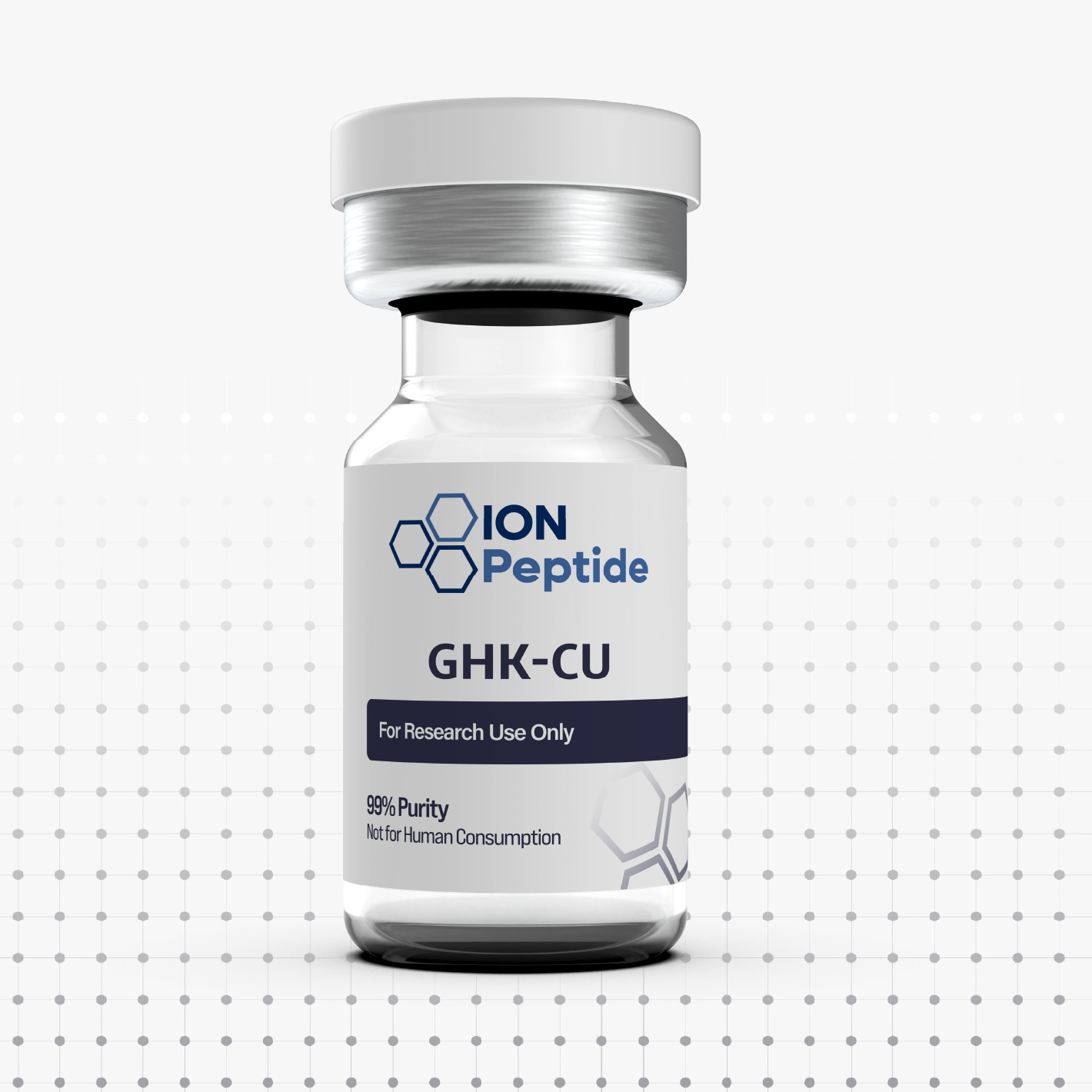
GHK-Cu

Price range: $29.00 through $45.00

For research purposes only. Not for human or animal use & not FDA-approved. By purchasing, you confirm you are 21 or older and qualified researcher.

Quantity Price
4 - 5 $26.10
6 - 9 $24.36
10 + $21.75
Money Back Guarantee Guaranteed Quality Customer Support Fast Shipping
SKU: N/A Categories: , ,

Description

GHK-Cu Peptides (Copper Tripeptide-1)

Research-Grade Copper Peptide
Tagline: Regenerative Research Peptide


Product Description

GHK-Cu Peptides(Copper Tripeptide-1) is a naturally occurring copper-binding peptide consisting of the amino acid sequence glycyl-L-histidyl-L-lysine complexed with copper (II). It is widely studied for its potential role in tissue remodeling, wound healing, and anti-inflammatory processes.

Researchers use GHK-Cu peptides in preclinical studies to investigate its effects on collagen synthesis, angiogenesis, and cellular regeneration. Its unique ability to modulate gene expression and bind copper ions makes it a valuable tool for studies in dermatology, regenerative medicine, and anti-aging research.

For Laboratory and Scientific Research Use Only. Not for Human Consumption.


Why Researchers Choose GHK-Cu Peptides
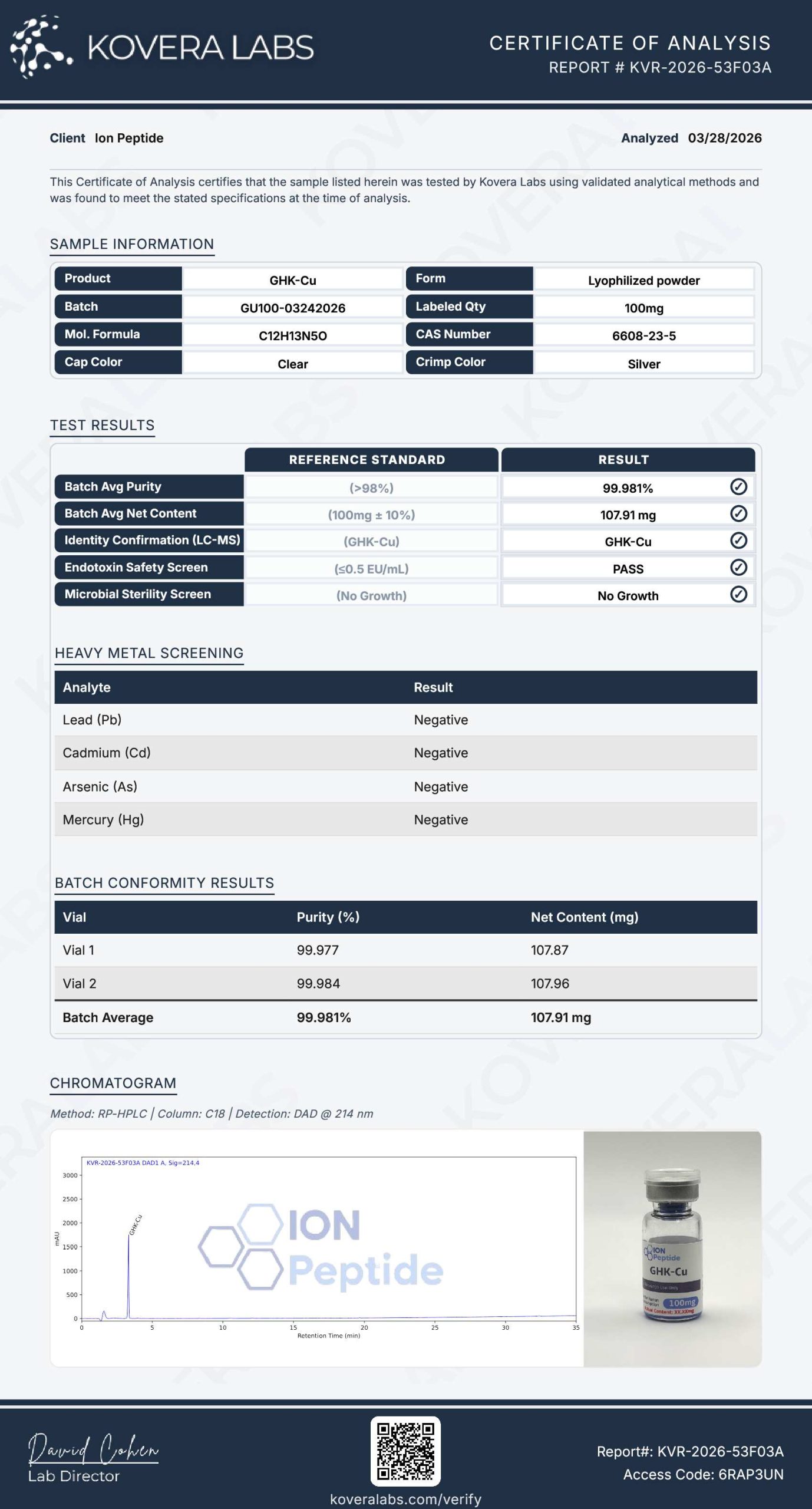
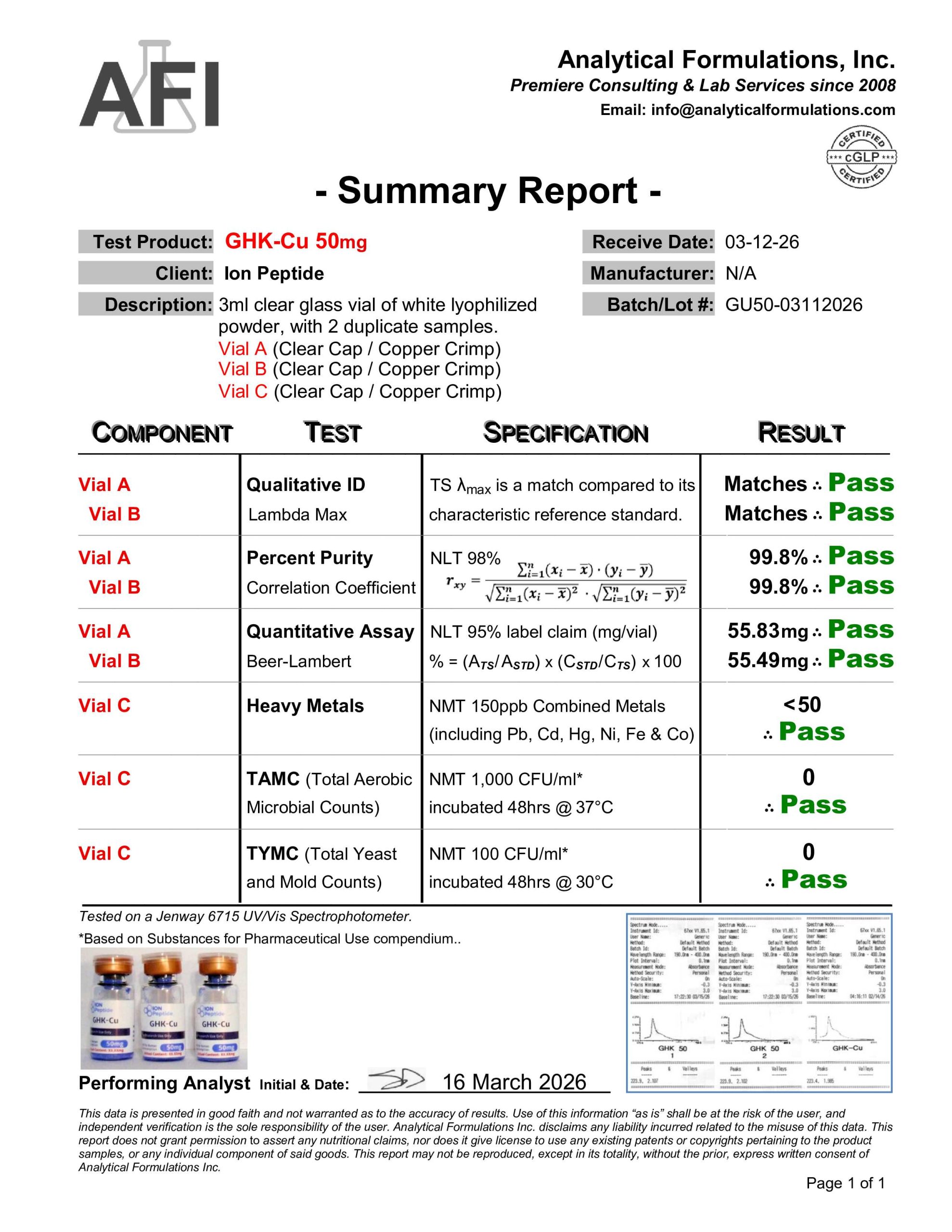
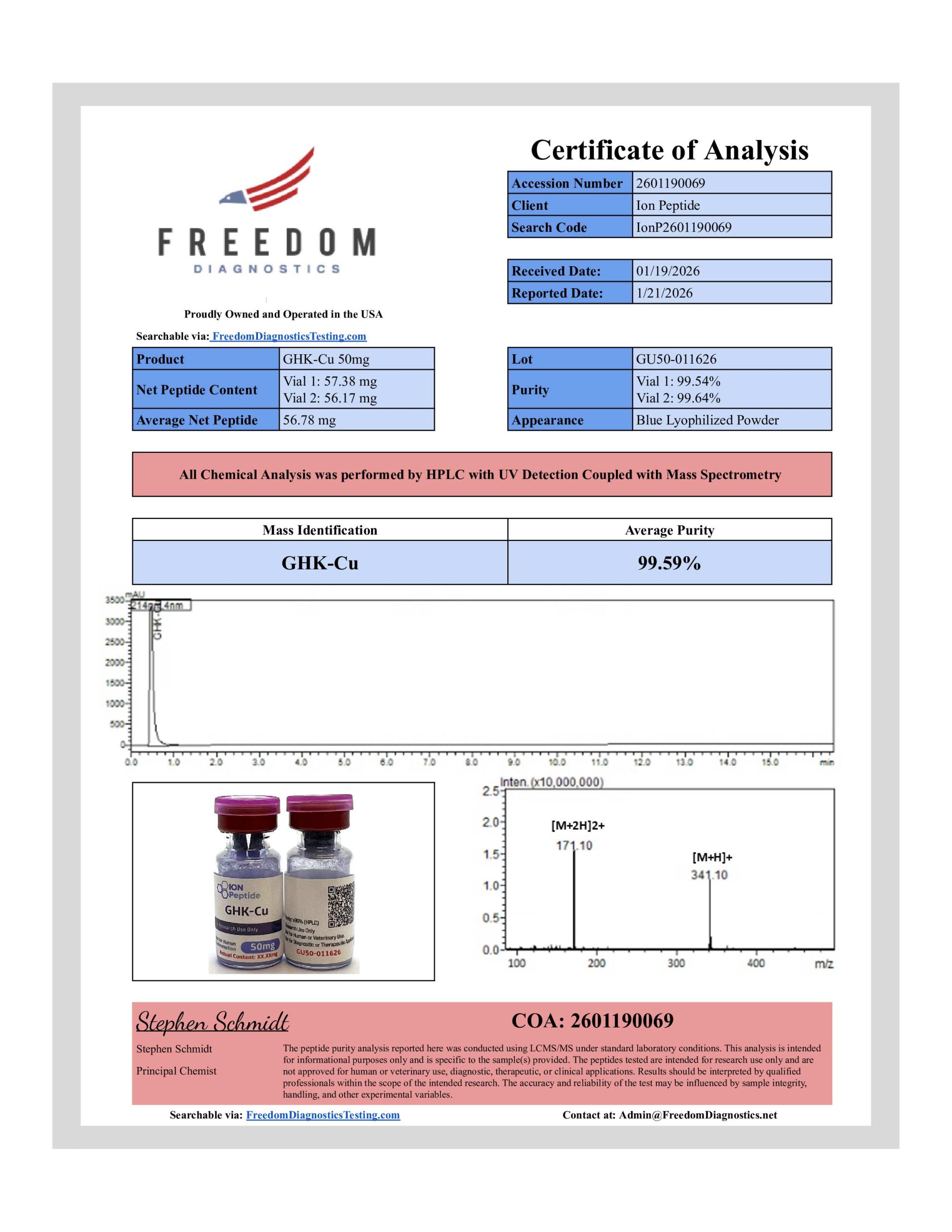
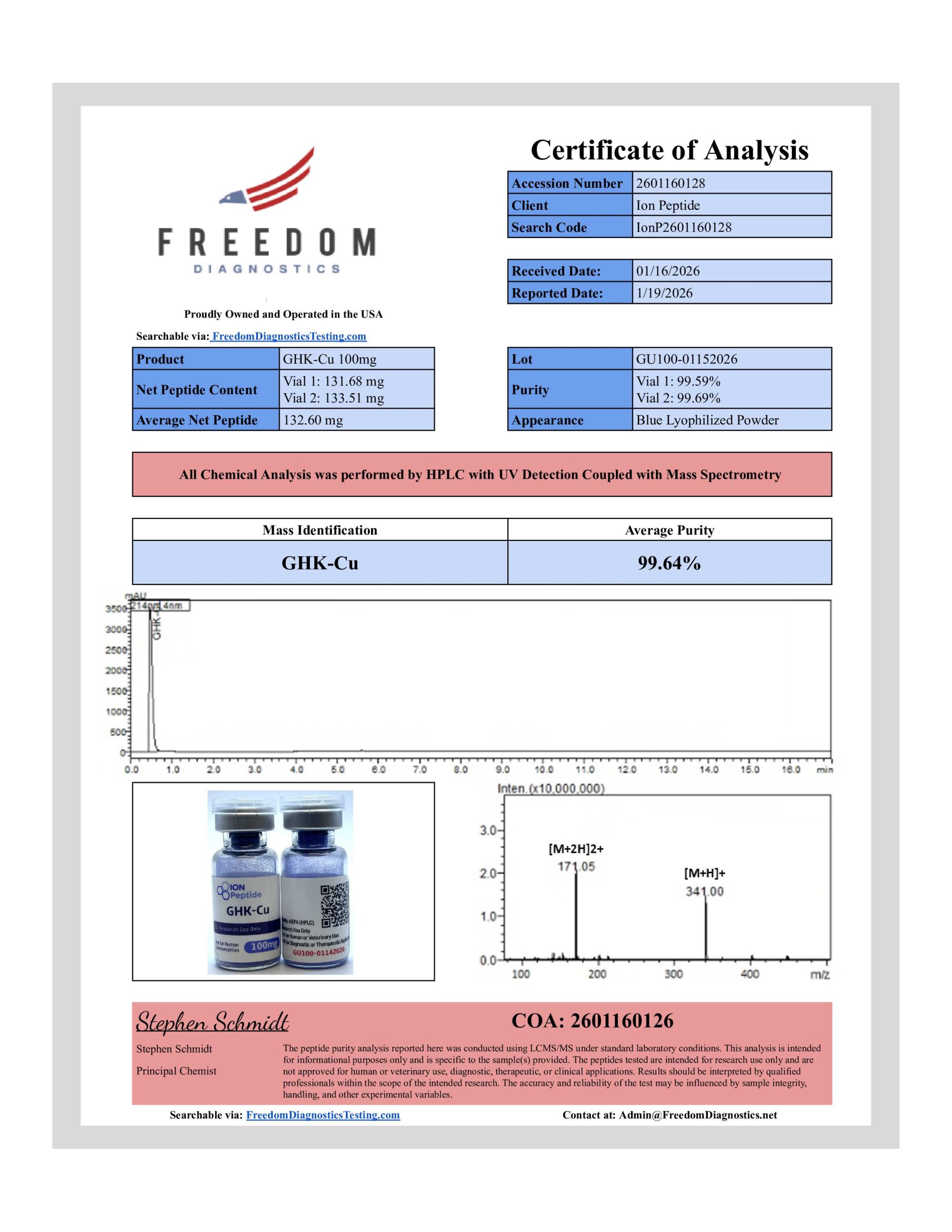
  • High Purity: ≥98% purity ensures reproducible results.

  • Biologically Relevant: Mimics a naturally occurring peptide-copper complex.

  • Stability: Supplied in lyophilized form for maximum shelf life.

  • Research Versatility: Studied in wound healing, tissue regeneration, and hair follicle biology.

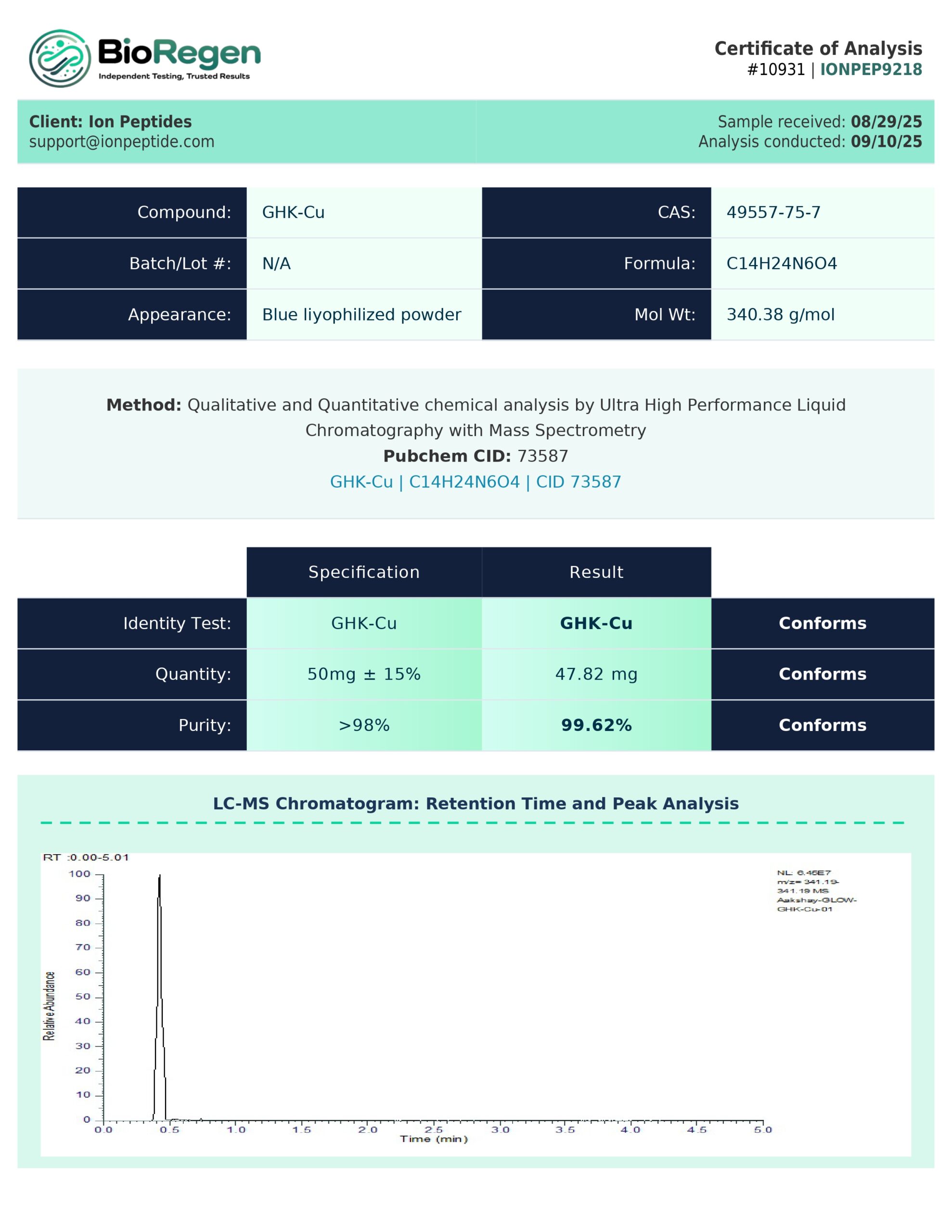
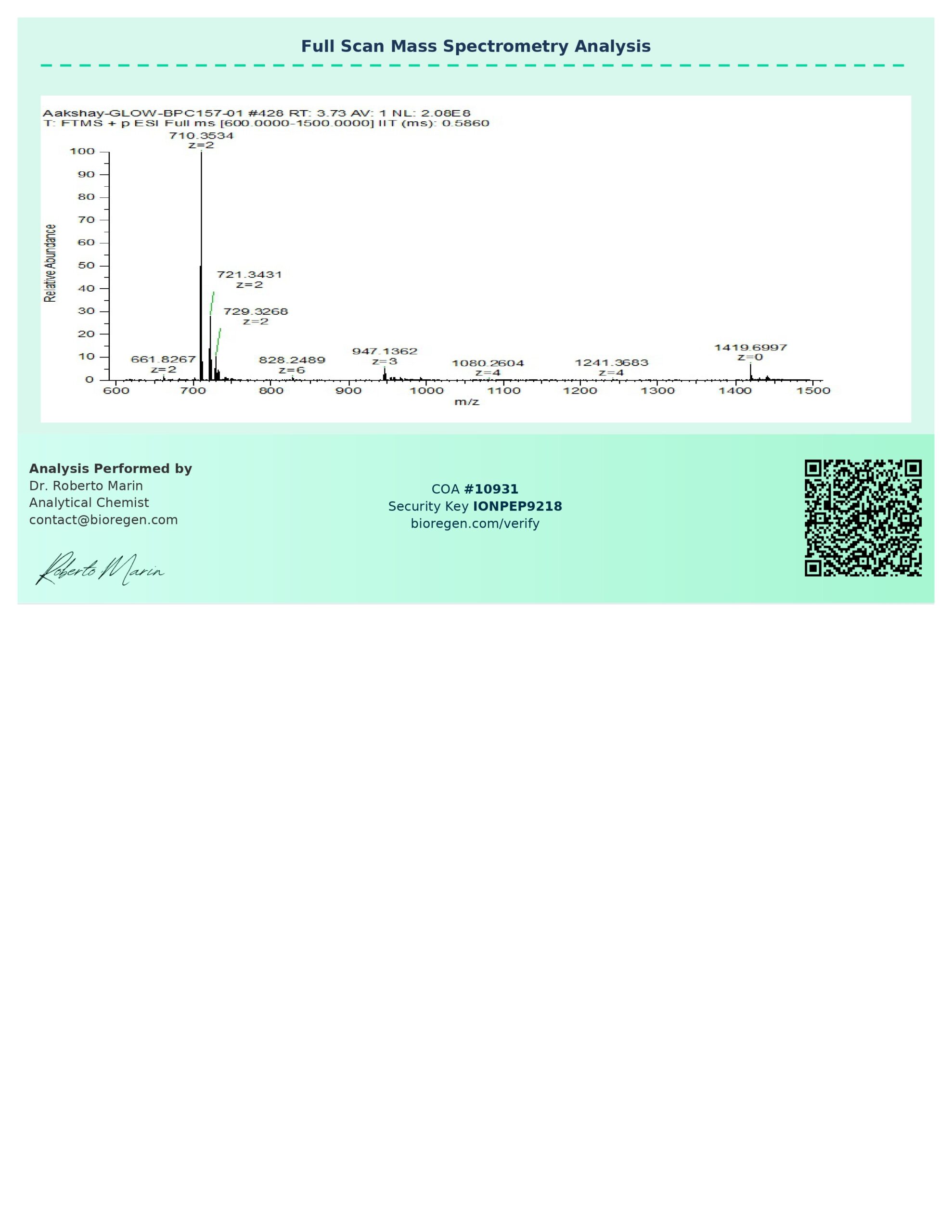
  • Batch Tested: Each lot undergoes rigorous identity and purity verification.


Important Note

For laboratory and scientific research only. Not for human consumption, veterinary use, or diagnostic purposes.
Details

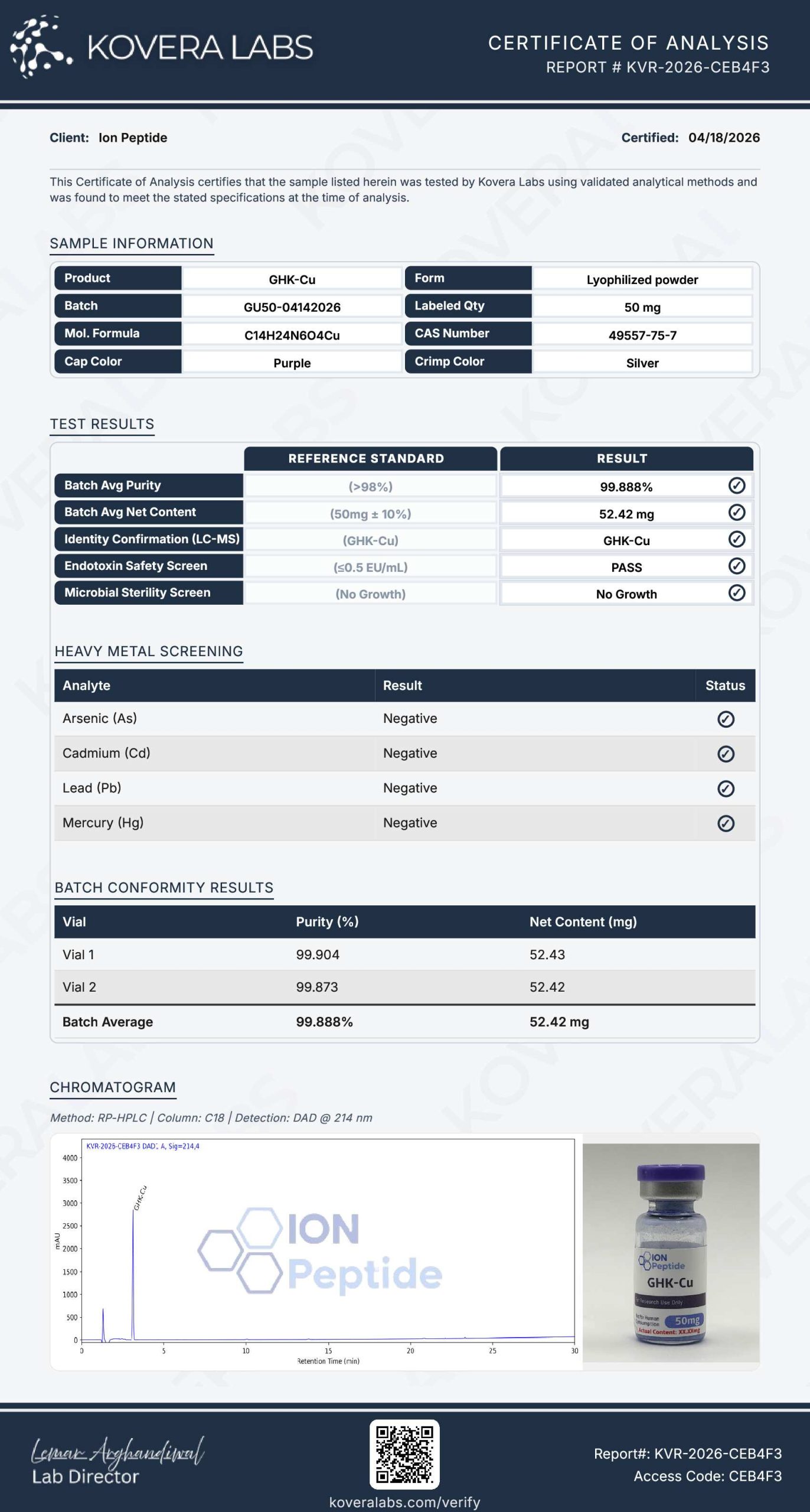
Chemical Formula C₁₄H₂₄CuN₆O₄
Molecular Mass 340.9 g/mol
CAS Number 49557-75-7
Form Lyophilized peptide powder (copper complex)
Shelf Life 24 months (lyophilized)
Intended Use For preclinical and in vitro research only
Storage -20 °C (dry powder), -80 °C (after reconstitution)

Research

Research Applications

Wound Healing & Tissue Repair

GHK-Cu has been shown to accelerate wound closure, promote angiogenesis, and support extracellular matrix remodeling [1].

Collagen & Elastin Synthesis

Preclinical studies demonstrate upregulation of collagen production and skin remodeling genes, making it a popular research peptide for tissue regeneration studies [2].

Anti-Inflammatory Effects

GHK-Cu Peptides has been observed to reduce pro-inflammatory cytokines, supporting its investigation in chronic inflammatory conditions [3].

Hair Follicle Biology

Research suggests GHK-Cu may prolong the anagen phase of hair follicles, making it relevant in alopecia studies [4].


References
  1. Pickart L et al. (2015). GHK-Cu Accelerates Wound Healing and Tissue Remodeling. Journal of Investigative Dermatology.
    https://europepmc.org/article/MED/28370978Hong Y et al. (2014). Copper Peptides Stimulate Collagen Production in Dermal Fibroblasts. Experimental Dermatology.
    https://www.mdpi.com/1422-0067/19/7/1987Siméon A et al. (2000). Anti-Inflammatory Properties of Copper Tripeptide in Skin Models. Inflammation Research.
    https://www.sciencedirect.com/science/article/pii/S1385894724036416Kwon OS et al. (2007). Effects of GHK-Cu on Hair Follicle Stimulation in Mice. Journal of Dermatological Science.
    https://www.sciencedirect.com/science/article/pii/S2452199X23003079

Mechanism of Action

Mechanism of Action (How GHK-Cu Works)
  • Copper Delivery: Chelates and transports bioavailable copper into tissues, a cofactor for enzymes involved in wound healing [Pickart 2015].

  • Gene Modulation: Upregulates genes responsible for collagen, elastin, and glycosaminoglycan synthesis, while downregulating those involved in scar formation [Hong 2014].

  • Angiogenesis Promotion: Stimulates VEGF expression and endothelial cell migration, supporting new blood vessel growth [Pickart 2015].

  • Anti-Inflammatory Modulation: Suppresses pro-inflammatory cytokines (e.g., TNF-α, IL-6) and reduces oxidative stress [Siméon 2000].

  • Stem Cell Activation: Encourages proliferation and differentiation of skin stem cells, aiding tissue regeneration [Hong 2014].


References
  1. Pickart L et al. (2015). GHK-Cu Accelerates Wound Healing and Tissue Remodeling. Journal of Investigative Dermatology.
    https://europepmc.org/article/MED/28370978Hong Y et al. (2014). Copper Peptides Stimulate Collagen Production in Dermal Fibroblasts. Experimental Dermatology.
    https://www.mdpi.com/1422-0067/19/7/1987Siméon A et al. (2000). Anti-Inflammatory Properties of Copper Tripeptide in Skin Models. Inflammation Research.
    https://www.sciencedirect.com/science/article/pii/S1385894724036416Kwon OS et al. (2007). Effects of GHK-Cu on Hair Follicle Stimulation in Mice. Journal of Dermatological Science.
    https://www.sciencedirect.com/science/article/pii/S2452199X23003079

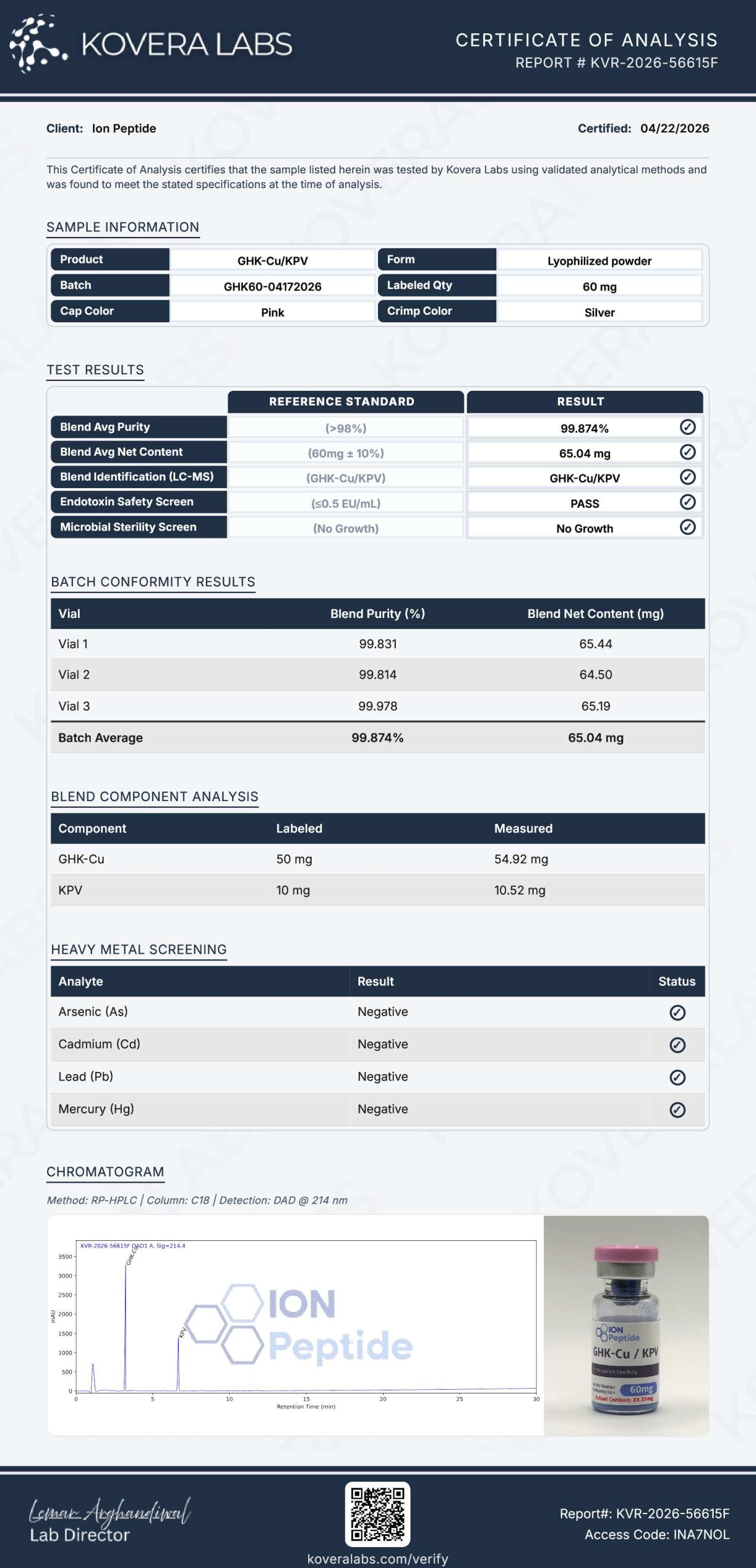
Certificate of Authenticity