Glutathione Buccal Strip

$35.00

For research purposes only. Not for human or animal use & not FDA-approved. By purchasing, you confirm you are 21 or older and qualified researcher.

In stock

Quantity Price
4 - 5 $31.50
6 - 9 $29.40
10 + $26.25
Money Back Guarantee Guaranteed Quality Customer Support Fast Shipping
Category:

Description

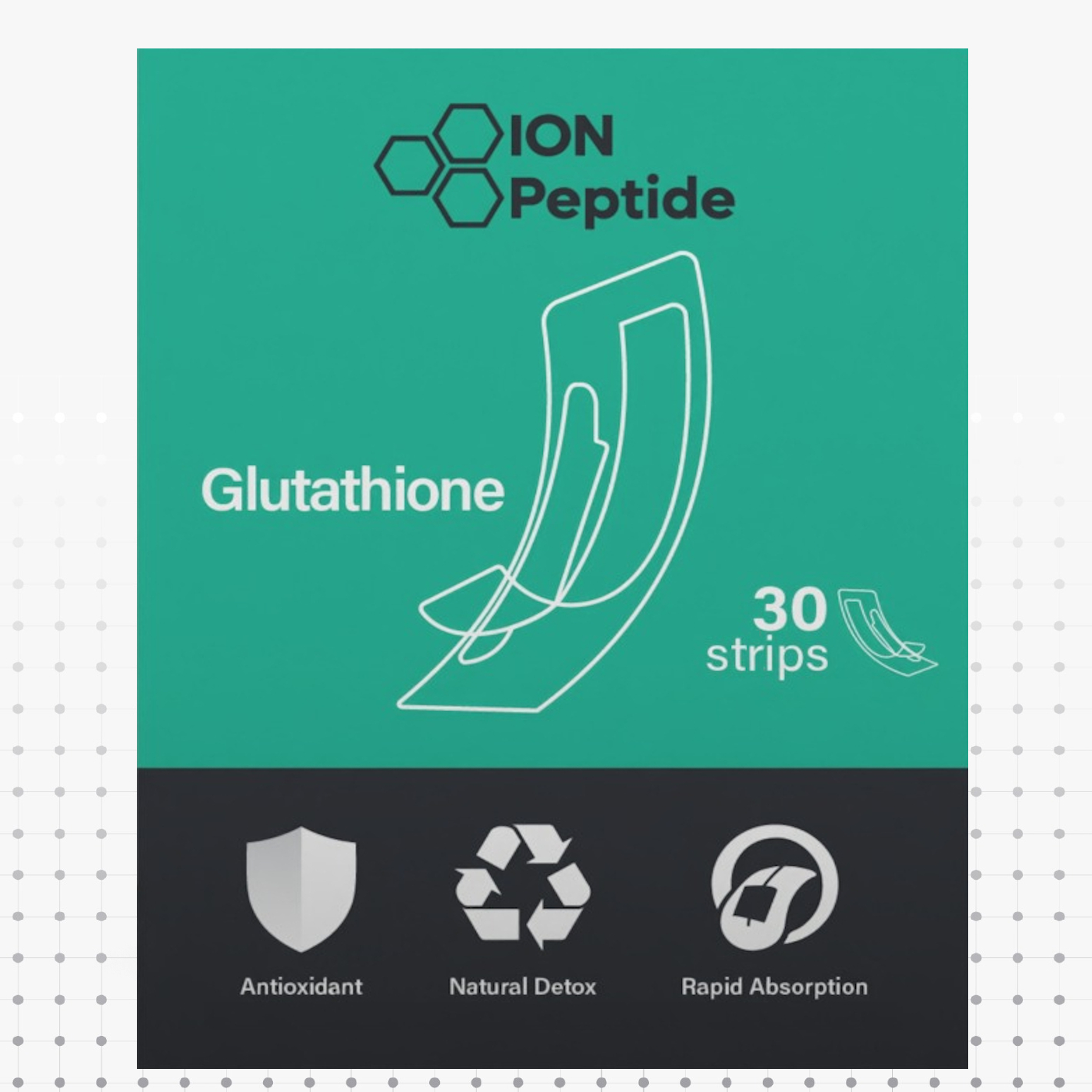
Glutathione Buccal Strip

Oral Dissolving Delivery System (Glutathione)
Tagline: Buccal Absorption & Redox System Research


Product Description

Glutathione Buccal Strip is an oral dissolving film formulation designed to deliver L-glutathione, a naturally occurring tripeptide, via the buccal mucosa. The strip dissolves upon contact with saliva, allowing for direct interaction with the oral mucosal surface in controlled research settings.

Glutathione is widely studied in laboratory environments as a central component of cellular redox systems, involved in oxidation–reduction balance and thiol chemistry. In this delivery format, it is used to evaluate film-based delivery systems, dissolution kinetics, and mucosal interaction behavior.

This product is intended for research investigating alternative delivery systems, absorption models, and formulation performance.

For Laboratory and Research Use Only. Not for Injectable Use.


Why Researchers Choose Buccal Strips
  • Fast-dissolving oral delivery format
  • Suitable for mucosal absorption and diffusion studies
  • Bypasses traditional gastrointestinal delivery pathways
  • Useful for film dissolution and release testing
  • Compatible with peptide and small molecule delivery research
  • Standardized, easy-to-use format

Important Note

For laboratory and research use only. Not for human consumption, injection, or therapeutic application.
Details

Product Name Glutathione Buccal Strip
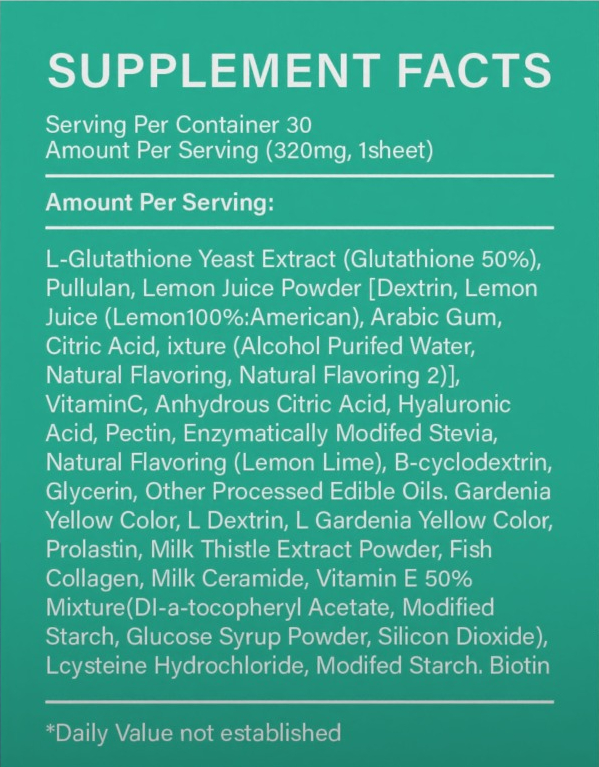
Active Component L-Glutathione
Formulation Type Oral dissolving film
Delivery Route Buccal (oral mucosa)
Appearance Thin flexible strip

Research

Research Applications

Buccal Delivery System Research

This formulation is used in studies evaluating absorption across oral mucosa, including transport dynamics and permeability behavior.

Dissolution & Film Disintegration Studies

Buccal strips are applied in research examining film hydration, dissolution rates, and release characteristics under controlled conditions.

Redox Compound Delivery Models

Glutathione is used as a model compound in studies investigating delivery of redox-active molecules via alternative routes.

Polymer Film & Material Science Research

Researchers use this format to evaluate film structure, flexibility, stability, and moisture sensitivity in dissolvable delivery systems.


References
  1. Glutathione — structure and biological role.
    https://en.wikipedia.org/wiki/Glutathione
  2. Buccal drug delivery systems — mechanisms and applications.
    https://www.ncbi.nlm.nih.gov/pmc/articles/PMC3217692/
  3. Oral dissolving films in drug delivery (review).
    https://www.ncbi.nlm.nih.gov/pmc/articles/PMC3855446/
  4. Mucosal permeability and absorption pathways.
    https://www.sciencedirect.com/topics/pharmacology-toxicology-and-pharmaceutical-science/buccal-delivery

Mechanism of Action

Mechanism of Action
Buccal Absorption

Upon placement in the oral cavity, the strip dissolves and allows the active component to diffuse across the buccal mucosal surface.

Rapid Film Disintegration

The polymer matrix absorbs saliva and dissolves, enabling fast release of glutathione in experimental conditions.

Avoidance of Gastrointestinal Processing

Buccal delivery bypasses the gastrointestinal tract, allowing study of direct mucosal interaction and absorption pathways.

Water-Soluble Compound Transport

Glutathione, being water-soluble, is suitable for diffusion-based transport models across mucosal membranes.


References
  1. Glutathione — structure and biological role.
    https://en.wikipedia.org/wiki/Glutathione
  2. Buccal drug delivery systems — mechanisms and applications.
    https://www.ncbi.nlm.nih.gov/pmc/articles/PMC3217692/
  3. Oral dissolving films in drug delivery (review).
    https://www.ncbi.nlm.nih.gov/pmc/articles/PMC3855446/
  4. Mucosal permeability and absorption pathways.
    https://www.sciencedirect.com/topics/pharmacology-toxicology-and-pharmaceutical-science/buccal-delivery